

Sublimation blanks wholesale refers to purchasing polyester-coated substrates — mugs, tumblers, fabrics, metal plates, and more — in bulk quantities at discounted prices for sublimation printing businesses. Wholesale pricing typically starts at 40–60% below retail, with volume discounts increasing at tiered thresholds (100, 500, and 1,000+ units). For businesses producing more than 50 sublimated items per month, sourcing blanks wholesale rather than retail reduces material costs by $0.50–$3.00 per unit, directly improving profit margins.
Key Takeaways
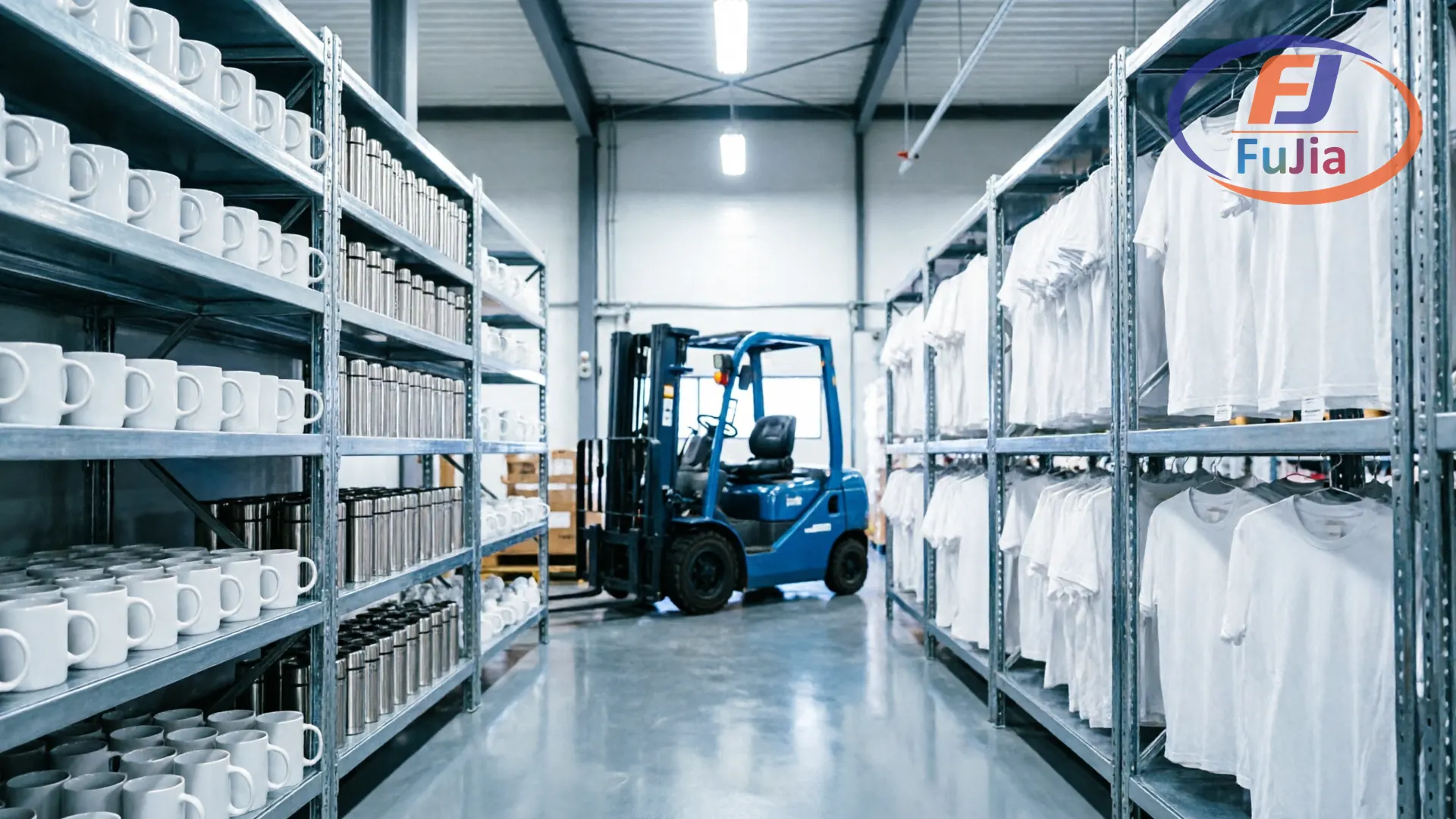
- Wholesale sublimation blanks cost 40–60% less than retail prices, with ceramic mugs at $0.80–$2.50 each and stainless tumblers at $1.50–$4.00 each at wholesale rates
- Minimum order quantities (MOQ) range from 50–500 units depending on supplier and product type
- Coating quality is the single most important factor: poor coating causes color fading, uneven transfers, and customer returns
- China-based factories offer the lowest prices but require 15–35 day shipping; domestic US/EU suppliers cost 30–80% more but deliver in 2–5 days
- Polyester content matters: fabric blanks need 65%+ polyester for vivid sublimation; hard substrates need a dedicated sublimation coating
What Are Sublimation Blanks?
Sublimation blanks are items manufactured specifically for dye-sublimation printing. They carry either a polyester coating (for hard substrates like ceramics and metals) or are made from polyester-rich fabric (for textiles). Standard household mugs or cotton t-shirts do not work for sublimation — the surface lacks the polymer structure needed for sublimation dye to bond permanently.
The sublimation process requires polyester because dye turns to gas at around 350°F–400°F and chemically bonds with polyester molecules. On non-polyester surfaces, the dye gas dissipates without bonding, producing faded, wash-out-prone results. This is why sublimation blanks cost more than generic equivalents — the coating or fabric specification adds manufacturing cost. Alibaba’s sublimation blanks marketplace lists thousands of suppliers with varying coating qualities.
Common sublimation blank categories include ceramic mugs, stainless steel tumblers, polyester t-shirts and jerseys, aluminum plates, ceramic tiles, phone cases, mouse pads, coasters, keychains, and pet accessories. Each category has specific coating requirements, quality benchmarks, and price tiers.
Wholesale Pricing by Product Category
Wholesale pricing varies significantly by product type, order volume, and supplier location. The tables below show realistic wholesale price ranges for the most common sublimation blanks:
Ceramic Mugs
| Product | MOQ | Wholesale Price | Retail Equivalent | Savings |
|---|---|---|---|---|
| 11 oz white ceramic mug | 100+ | $0.80–$1.50 | $2.50–$4.00 | 55–65% |
| 11 oz inner-color mug | 100+ | $1.20–$2.00 | $3.50–$5.50 | 55–65% |
| 15 oz ceramic mug | 100+ | $1.20–$2.20 | $3.50–$6.00 | 55–65% |
| Magic color-changing mug | 50+ | $1.80–$3.00 | $5.00–$8.00 | 55–65% |
| Ceramic travel mug | 50+ | $2.00–$3.50 | $5.50–$9.00 | 55–65% |
Stainless Steel Tumblers & Bottles
| Product | MOQ | Wholesale Price | Retail Equivalent | Savings |
|---|---|---|---|---|
| 20 oz skinny tumbler | 50+ | $1.50–$2.80 | $4.50–$8.00 | 55–65% |
| 30 oz skinny tumbler | 50+ | $1.80–$3.50 | $5.50–$10.00 | 55–65% |
| 40 oz tumbler with handle | 50+ | $2.50–$4.50 | $7.00–$12.00 | 55–65% |
| Water bottle (500ml) | 100+ | $1.20–$2.50 | $4.00–$7.00 | 55–65% |
| Sports bottle (750ml) | 100+ | $1.80–$3.00 | $5.00–$8.50 | 55–65% |
Textile Blanks
| Product | MOQ | Wholesale Price | Retail Equivalent | Savings |
|---|---|---|---|---|
| Polyester t-shirt (100%) | 50+ | $2.50–$4.50 | $6.00–$12.00 | 50–60% |
| Polyester hoodie | 30+ | $6.00–$10.00 | $15.00–$28.00 | 55–65% |
| Mouse pad | 100+ | $0.50–$1.20 | $2.00–$4.00 | 65–70% |
| Throw pillow cover | 50+ | $1.50–$3.00 | $5.00–$10.00 | 60–70% |
| Polyester towel | 50+ | $2.00–$4.00 | $6.00–$12.00 | 55–65% |
Prices are approximate wholesale ranges as of July 2026, based on factory-direct and distributor pricing. Actual prices vary by supplier, coating quality, and order volume.
China Factory vs Domestic Supplier: Cost Comparison
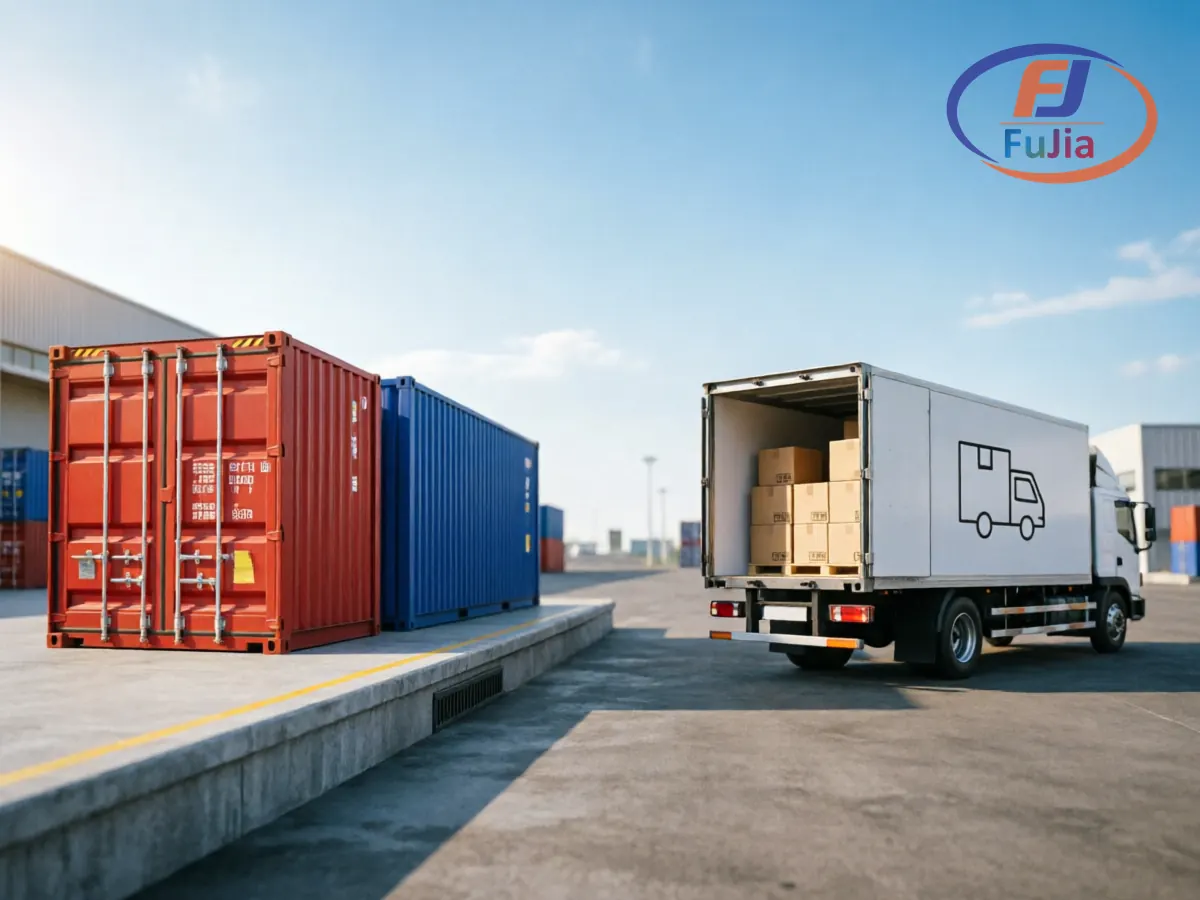
The decision between China-based factories and domestic (US/EU) suppliers involves tradeoffs between price, shipping time, and quality control. According to Alibaba’s wholesale marketplace data, China factories control over 80% of sublimation blank manufacturing globally:
| Factor | China Factory | US/EU Domestic Supplier |
|---|---|---|
| Unit price | Lowest (factory-direct) | 30–80% higher |
| MOQ | 100–500 units typical | 12–50 units typical |
| Shipping time | 15–35 days (sea), 5–10 days (air) | 2–5 days |
| Shipping cost | $0.20–$0.80/unit (sea) | Included or $0.50–$2.00/unit |
| Quality consistency | Variable (requires vetting) | Generally consistent |
| Sample availability | Often free or $5–$15 | $5–$25 |
| Payment risk | Higher (use escrow/Trade Assurance) | Lower (standard terms) |
| Customization | Full OEM (logo, packaging, coatings) | Limited to existing stock |
| Best for | Established businesses with predictable volume | Startups, small batches, rush orders |
For businesses ordering 500+ units per month, China factories deliver the lowest total cost even after shipping. For businesses ordering fewer than 100 units per month or requiring rapid restocking, domestic suppliers are more practical despite higher unit costs.
How to Evaluate Sublimation Blank Quality
Coating quality determines print vibrancy, durability, and consistency far more than the base material itself. Poor coating produces faded colors, blotchy transfers, and customer complaints. Five quality checks separate reliable blanks from reject-grade stock:
1. Coating Uniformity Inspect the coating under bright light. Quality coatings appear as an even, slightly glossy film with no streaks, bubbles, or thin spots. Uneven coating causes color variations across the print area.
2. Sublimation Test Sublimate a test print on 3–5 samples from each batch. Compare color density and sharpness. Reject batches where colors appear washed out, even when using the same temperature and time settings as proven substrates.
3. Wash/Scratch Durability For mugs and tumblers, run printed samples through 10 dishwasher cycles. Quality coatings maintain color integrity; poor coatings show fading or peeling after 3–5 cycles.
4. Surface Smoothness Run your finger across the surface. Rough or textured areas indicate coating defects that produce uneven ink absorption. Premium blanks have glass-smooth coating.
5. Edge Coverage Check whether the coating covers edges and hard-to-reach areas. Tumblers and curved items with incomplete edge coating produce visible gaps in full-wrap designs.
For sublimation ink and paper recommendations, see our dye sublimation ink guide and sublimation transfer paper guide. For the right sublimation oven settings on hard substrates, see our sublimation oven guide.
MOQ and Volume Discount Tiers
Wholesale suppliers structure pricing around volume thresholds. Understanding these tiers helps optimize order timing and size:
| Order Volume | Typical Discount | Best For |
|---|---|---|
| 50–99 units | 10–15% below retail | Testing a new supplier or product |
| 100–499 units | 25–35% below retail | Small business monthly restock |
| 500–999 units | 35–45% below retail | Growing business quarterly stock |
| 1,000–4,999 units | 45–55% below retail | Established production operation |
| 5,000+ units | 55–65% below retail | Factory-direct pricing tier |
The largest price drop occurs between 100 and 500 units. Businesses ordering 100 units typically pay 20–25% more per unit than those ordering 500. Planning orders to hit the 500-unit threshold, even by combining product types, unlocks meaningful savings.
Complete Sourcing Checklist
Before committing to a wholesale supplier, verify these eight criteria:
- Coating quality: Request samples and run sublimation tests before placing bulk orders
- MOQ flexibility: Confirm minimum order quantities for each product type
- Lead time: Get written estimates for production and shipping time
- Volume pricing tiers: Request a full price sheet showing all discount breakpoints
- Return/defect policy: Understand the process for defective items (typically 2–5% defect rate is standard)
- Payment terms: Use Trade Assurance, PayPal, or escrow for first orders; negotiate net-30 terms after establishing trust
- Custom packaging: Ask about custom box printing if you sell direct to consumers
- Consistency across batches: Order from the same production lot when possible; coating formulas can vary between batches
Common Sourcing Mistakes to Avoid
Mistake 1: Choosing the cheapest supplier without testing The lowest unit price often means the lowest coating quality. A $0.80 mug that produces faded prints wastes more money than a $1.50 mug that produces vibrant results. Always test before buying in bulk.
Mistake 2: Ignoring defect rates Even quality suppliers have 2–5% defect rates. Budget for defects in your pricing calculations. If a supplier claims 0% defects, be skeptical.
Mistake 3: Ordering one massive shipment without samples First orders should include samples. A 1,000-unit order of poorly coated mugs is an expensive mistake. Samples cost $5–$25 and save thousands.
Mistake 4: Not verifying polyester content For fabric blanks, verify the actual polyester percentage with lab data or burn tests. Some suppliers label blends as “100% polyester” when they contain 50–60%. Low polyester content produces dull sublimation results. The AATCC test method 20 provides the standard for fiber content analysis.
Mistake 5: Forgetting shipping in cost calculations Sea freight from China adds $0.20–$0.80 per unit. Air freight adds $1.50–$4.00 per unit. Factor shipping into your total landed cost, not just the unit price.
Frequently Asked Questions
Where can I buy sublimation blanks wholesale?
Sublimation blanks are available wholesale from three main sources: China-based factories (via Alibaba, Made-in-China, or direct contact), domestic distributors (such as BestSub, Conde, Johnson Plastics, and HeatPressLeader in the US), and trade shows (NBM Show, Imprinted Sportswear Shows). China factories offer the lowest unit prices but require higher MOQs (100–500 units) and longer shipping times (15–35 days). Domestic distributors charge 30–80% more per unit but offer lower MOQs (12–50 units), faster shipping (2–5 days), and easier quality returns. For businesses producing more than 200 sublimated items per month, China factories consistently deliver the best total cost. For startups and small operations, domestic distributors provide the practical balance of reasonable pricing and reliable service.
What is the minimum order for sublimation blanks?
Minimum order quantities (MOQs) for sublimation blanks range from 12 to 500 units depending on supplier type and product. Domestic US/EU distributors typically set MOQs at 12–50 units for most products, making them accessible for small businesses. China factories generally require 100–500 units per product type, though some offer lower MOQs (50 units) for first-time orders to build relationships. Custom products (branded packaging, unique sizes, special coatings) always carry higher MOQs — typically 500–1,000 units. Volume discount pricing usually starts at 100 units, with significant price breaks at 500 and 1,000 units. Businesses below the MOQ threshold should consider group buying with other sublimation businesses or purchasing from domestic distributors who break bulk orders into smaller quantities.
How much do wholesale sublimation mugs cost?
Wholesale sublimation mugs cost $0.80–$2.50 per unit depending on type, quantity, and supplier location. Standard 11 oz white ceramic mugs cost $0.80–$1.50 at 100-unit quantities from China factories, compared to $1.80–$2.80 from US distributors. Inner-color mugs (black, blue, red interior) cost $1.20–$2.00 wholesale. Magic color-changing mugs cost $1.80–$3.00. Ceramic travel mugs with lids cost $2.00–$3.50. At retail, these same mugs sell for $2.50–$8.00 each, yielding gross margins of 55–65% for sublimation businesses. The largest cost savings come at the 500-unit threshold, where per-unit prices drop an additional 15–20% compared to 100-unit orders. For businesses sublimating mugs as part of a product line, maintaining a 200–500 unit inventory balances cost efficiency with cash flow management.
How do I find a reliable sublimation blanks supplier?
Finding a reliable sublimation blanks supplier requires a systematic evaluation process: request samples from 3–5 candidates before placing any bulk order, run sublimation tests on all samples using identical temperature and time settings, compare color vibrancy and coating uniformity across samples, check supplier references and reviews on platforms like Alibaba (look for Trade Assurance and Verified Supplier status), verify business registration and export licenses for China-based factories, start with a small trial order (50–100 units) before committing to large volumes, and monitor quality consistency across multiple orders. A reliable supplier maintains consistent coating quality batch-to-batch, communicates proactively about delays or issues, offers reasonable defect replacement policies (typically replacing items above the 2–5% standard defect rate), and can provide production lead times in writing.
Can I get custom sublimation blanks manufactured?
Custom sublimation blanks — unique shapes, sizes, coatings, or packaging — are available from China factories with MOQs of 500–1,000 units per custom specification. Custom manufacturing allows businesses to create exclusive product designs, branded packaging, and proprietary coating formulations that differentiate them from competitors. The process involves sharing design specifications (dimensions, materials, coating type), receiving prototype samples for approval, and placing a production order once the prototype meets quality standards. Lead time for custom manufacturing runs 20–45 days for production plus shipping. Custom products typically cost 20–40% more than standard catalog items but enable premium retail pricing that more than offsets the higher unit cost. Fujia Print offers custom sublimation blank manufacturing with OEM/ODM services — contact us for custom specifications and factory-direct pricing.
Conclusion
Sourcing sublimation blanks wholesale is the single most impactful cost reduction for any sublimation printing business. By moving from retail to wholesale purchasing, businesses cut material costs by 40–60% while gaining access to a wider product range and customization options. The key to success is balancing price against coating quality — the cheapest blanks are rarely the most profitable when defect rates and print failures are factored in. For factory-direct sublimation blanks, consumables, and equipment, contact Fujia Print to discuss wholesale pricing and OEM options.
