
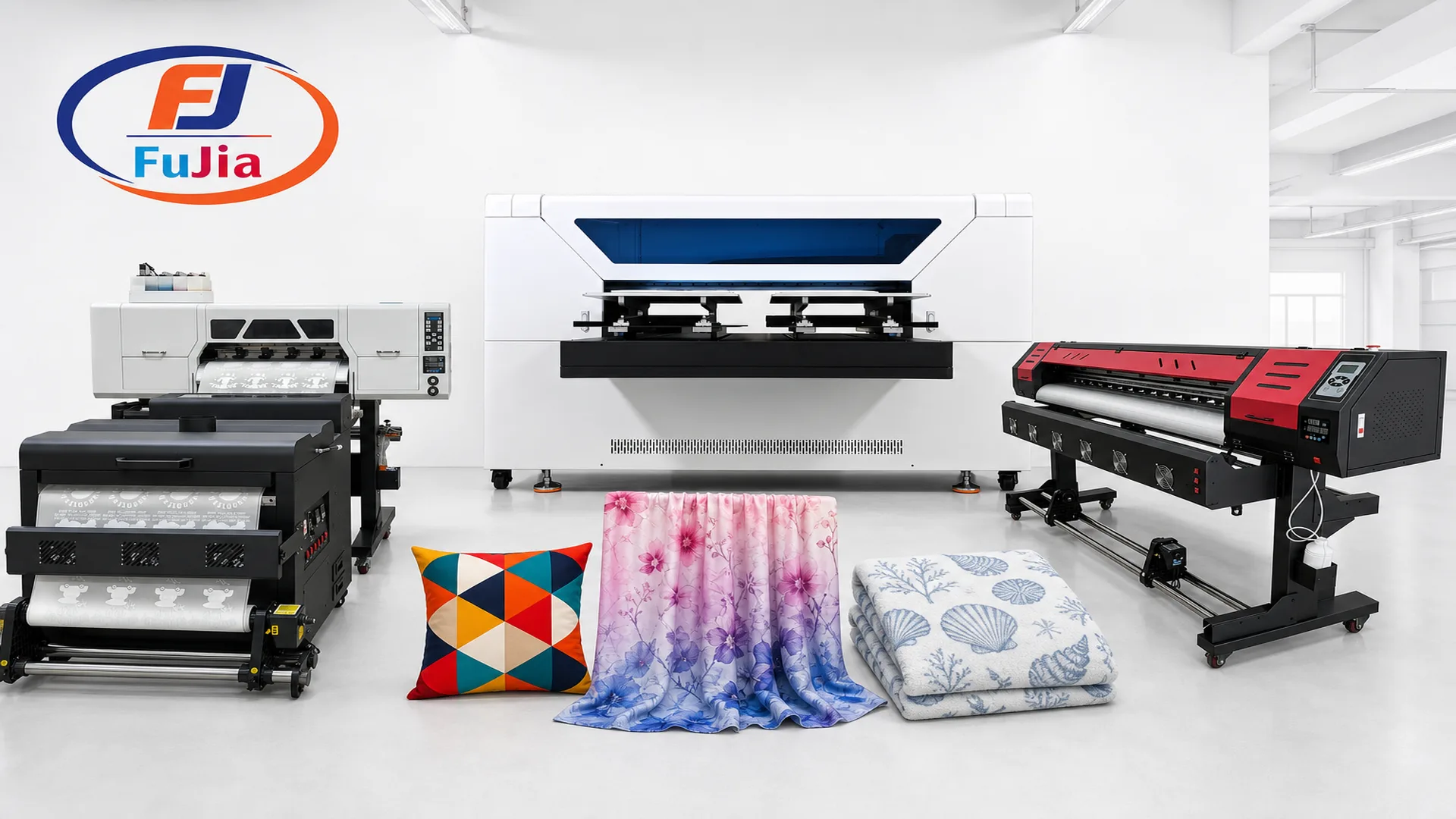
The Ultimate Guide to Home Textile Digital Printing
DTF, DTG & Sublimation for Home Textiles — Your Fabric Printing Machine Guide
Stop Guessing. Build Your Perfect Fabric Printing Machine Setup.
Three distinct printing technologies, each engineered for specific fabrics and products. Whether you are printing custom cushion covers, premium cotton bedding, or polyester curtains, we guide you to the right process, the right machine, and the right scale.
No commitment. 24-hour response. Engineer-reviewed quotes.
Logic 1: Choose the Right Fabric Printing Machine for Your Textile
DTF, DTG, and Sublimation are fundamentally different printing technologies. Each excels on specific fabric types. Understand the process, then choose your machine.
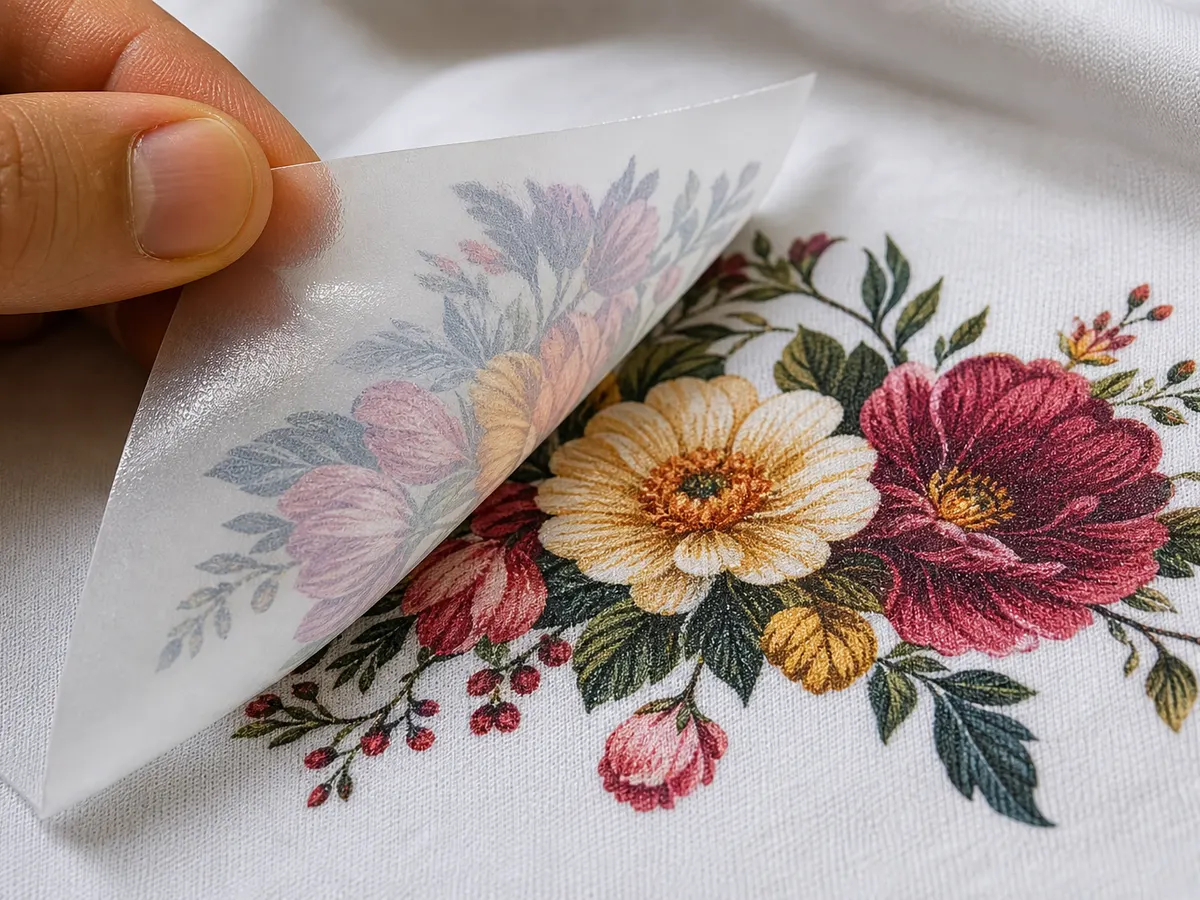
DTF (Direct-to-Film)
How It Works:
Print your design onto a PET film using CMYK + white ink, apply hot-melt adhesive powder, cure, then heat-press transfer onto fabric. The ink sits on top of the fiber with a flexible, elastic bond.
Best For: Cotton cushions, blended pillowcases, canvas placemats, dark-colored fabrics, small-batch custom decor.
Key Advantage: Prints on virtually any fabric — cotton, polyester, blends, canvas, even leather. No pretreatment needed. Deep black and vivid colors on dark textiles.

DTG (Direct-to-Garment)
How It Works:
Spray water-based textile ink directly onto the fabric surface. The ink penetrates deep into the cotton fibers, creating a bond that becomes part of the textile itself. No film, no transfer — just direct, breathable printing.
Best For: Premium cotton bedding, high-end bed sheets, organic cotton pillowcases, luxury hotel textiles, baby textiles.
Key Advantage: The softest hand-feel in the industry. Zero plastic touch. Ink breathes with the fabric — ideal for skin-contact textiles that demand comfort and luxury quality.
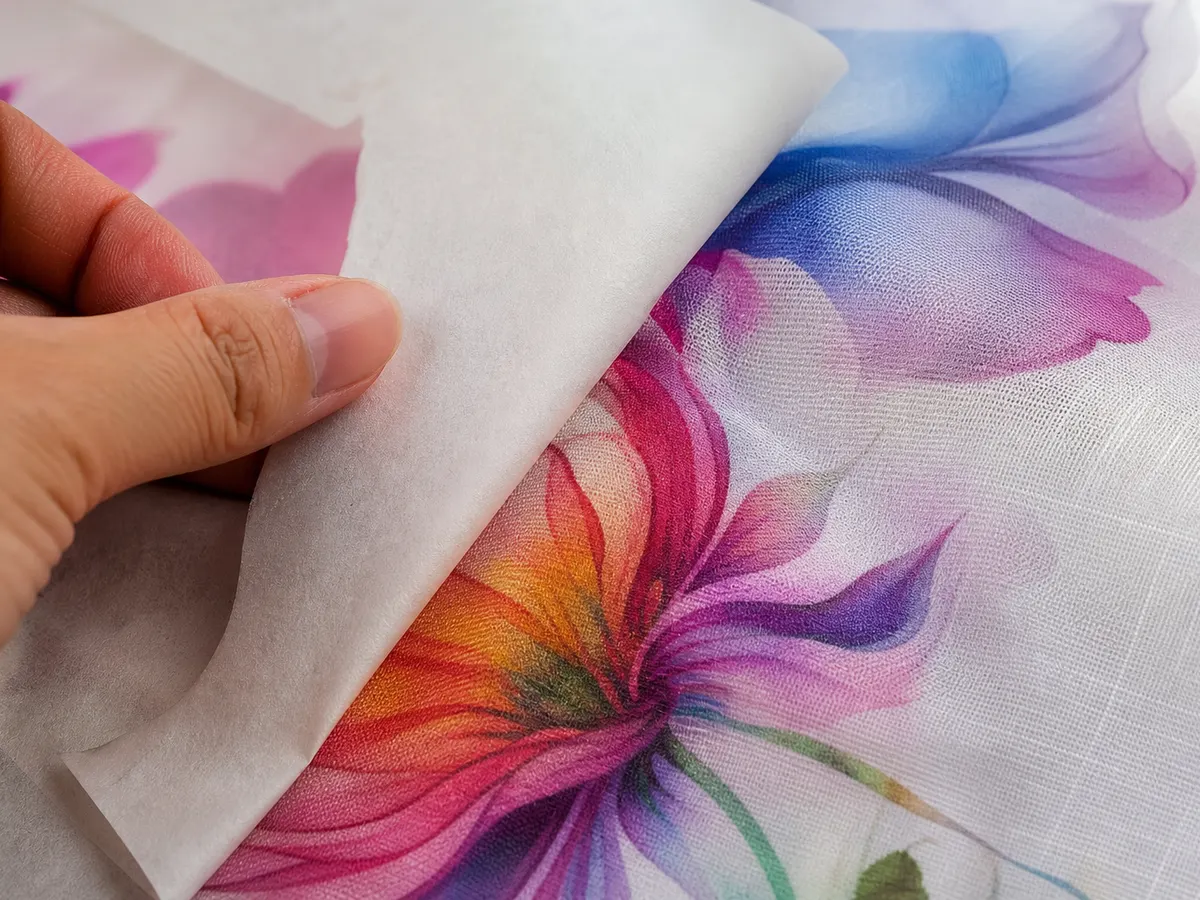
Sublimation
How It Works:
Print sublimation ink onto transfer paper, then apply heat and pressure. The ink turns from solid to gas (sublimates) and permanently bonds with polyester molecules inside the fabric. The ink literally becomes part of the fiber.
Best For: Polyester curtains, tablecloths, flags, banners, shower curtains, large-format wall art, full-edge seamless designs.
Key Advantage: Zero hand-feel — you cannot feel the print at all. Never cracks, never peels, never fades. Unlimited wash cycles. Only works on polyester or high-polyester blends (60%+), and only on white or light-colored fabrics.
Print Effect on Different Home Textile Products
See how each process performs on the three most common home textile product categories. This is what your customers will see and feel.
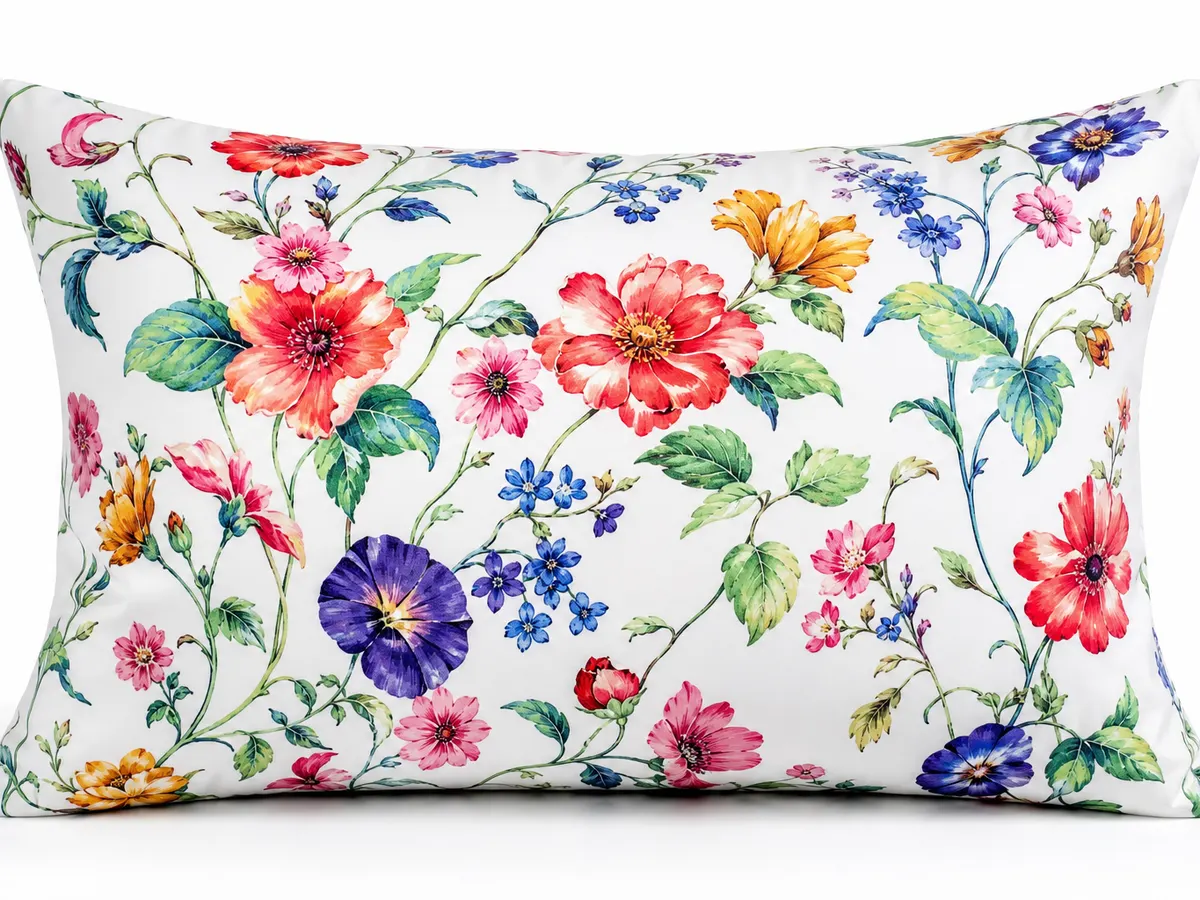
Cotton Bedding & Sheets
DTF: Vibrant, opaque prints on any cotton color. Slightly rubbery hand-feel. Excellent for decorative cushions and dark cotton pillowcases where bold graphics matter more than softness.
DTG: The gold standard for cotton bedding. Ink penetrates fibers — zero plastic feel against skin. Premium hotels and luxury brands demand this soft-touch quality. Requires pretreatment for dark cotton.
Sublimation: Will not bond to 100% cotton. Only works on poly-cotton blends with 60%+ polyester, and even then colors appear muted. Not recommended for pure cotton bedding.
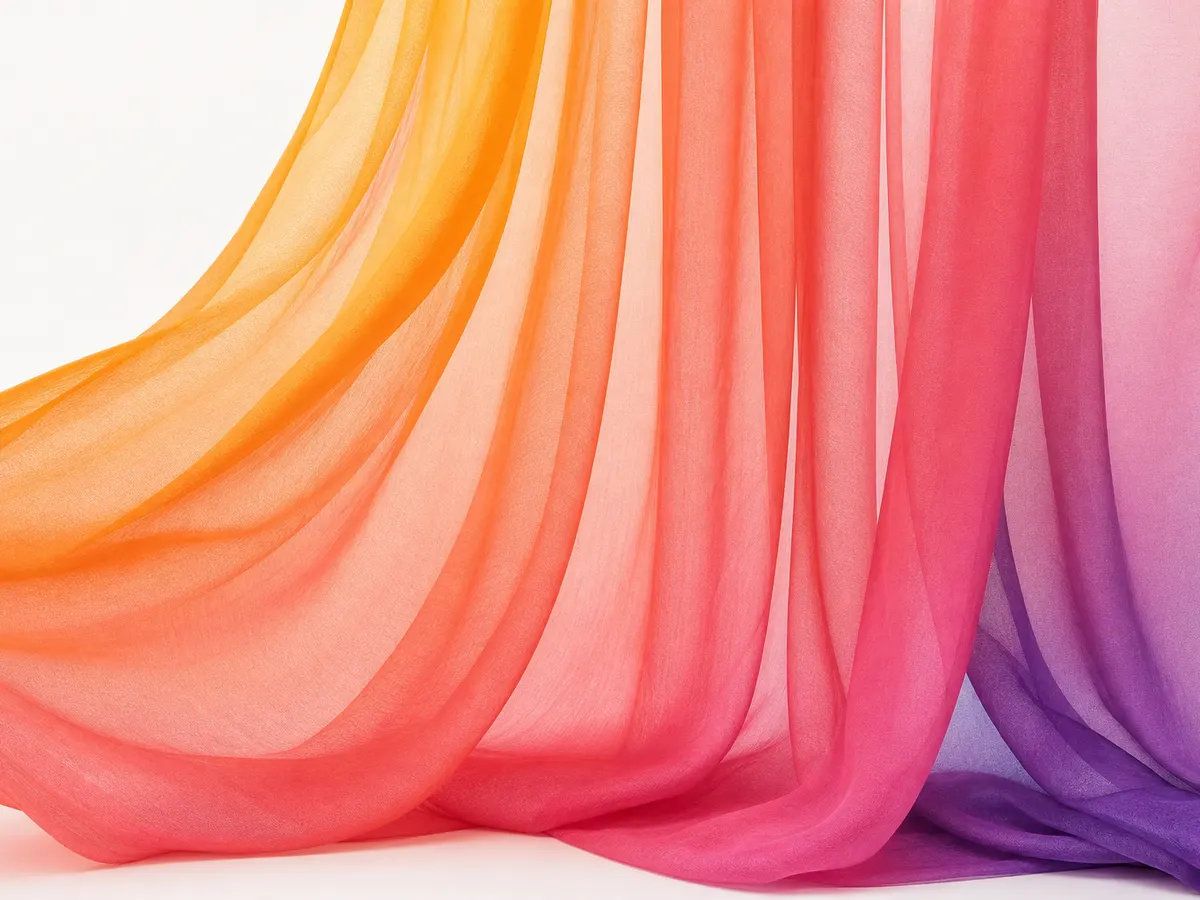
Polyester Curtains & Drapes
DTF: Can print on polyester curtains, but the film layer adds a slight texture. Works for small accent panels but not ideal for large-format seamless curtain designs.
DTG: Poor adhesion on pure polyester. Ink sits on the surface and rubs off over time. Not recommended for curtain applications.
Sublimation: The only correct choice. Ink gasifies and bonds permanently with polyester molecules. Full-width, edge-to-edge photographic designs. Zero hand-feel. Light passes through unprinted areas naturally. Survives years of sun exposure and washing.
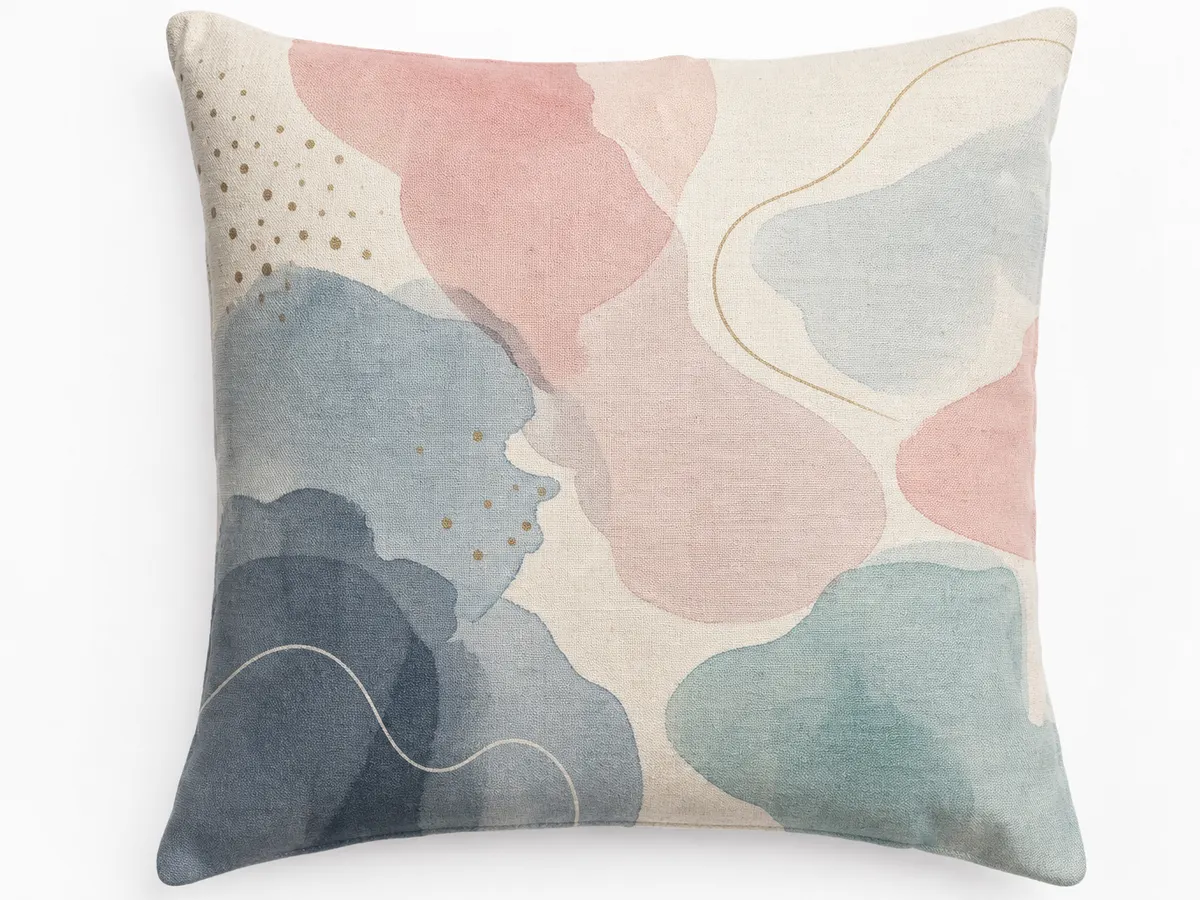
Decorative Cushions & Table Linens
DTF: Perfect for mixed-material decor — canvas, cotton, linen, jute, polyester blends. One machine handles them all. Bold logos, photographic designs, and dark-fabric prints with equal quality.
DTG: Excellent for high-end cotton cushion covers where brand positioning demands luxury hand-feel. Overkill for everyday table linens that need stain resistance more than softness.
Sublimation: Ideal for polyester tablecloths and runner fabrics — stain-resistant, zero-feel, and the print will outlast the fabric itself. Limited to light-color polyester only.
Quick Decision: Cotton bedding & dark fabrics? → Go DTF or DTG. Polyester curtains & tablecloths? → Go Sublimation. Mixed materials? → Go DTF. Luxury skin-contact cotton? → Go DTG. Many home textile businesses run all three.
Logic 2: Fabric Printing Machine Setups by Business Volume
Do not overspend or bottleneck your growth. Choose your capacity.
Level 1: The Startup / Boutique Shop
Ideal Volume: 10–50 prints/day (custom decor boutique or home studio)
Recommended Solution: 1x A3 DTF Printer + Mini Shaker, OR 1x A3 Sublimation Printer.
Start with the process that matches your best-selling product. Selling cotton cushions? Begin with DTF. Selling polyester curtains? Begin with sublimation. Compact desktop footprint, standard AC power, and 3-day remote onboarding get you shipping custom textile orders within a week. Test your market before scaling.
Level 2: The E-commerce Textile Studio
Ideal Volume: 200–1,000+ prints/day (full-time online home decor store)
Recommended Solution: 60cm DTF (2-4 Printheads) + 60cm Sublimation Printer.
Cover both cotton and polyester with two machines. DTF handles cotton cushions, canvas, blends, and dark fabrics. Sublimation handles polyester curtains, tablecloths, and large-format seamless designs. Bulk ink tanks cut per-print cost by 60%. One operator runs both lines — DTF prints while sublimation transfers cure. Double the product catalog without doubling the labor.
Level 3: The Full-Service Textile Factory
Ideal For: Brands producing across all fabric types — cotton, polyester, blends, and luxury lines.
Combo Solution: 1x DTF Printer + 1x DTG Printer + 1x Sublimation Printer.
Three machines, three technologies, unlimited product range. DTF for versatile cotton and blend decor. DTG for premium skin-contact cotton bedding with luxury soft-touch. Sublimation for polyester curtains and table linens. Fulfill any home textile order from one workshop. Hotel contracts, boutique brands, interior designers — you say yes to everything. One supplier, one shipment, one quality standard.
Beyond Bedding: What Else Can These Machines Print?
Your textile printers are not just for sheets and curtains. Each machine opens up additional product categories that can multiply your revenue.
DTF Printer — Maximum Material Versatility
Prints on virtually any fabric — dark, light, synthetic, or natural. No pre-treatment needed.
- Bedding: Cotton Pillowcases, Cushion Covers, Bolster Cases
- Table Linens: Canvas Placemats, Table Runners, Napkins
- Bath Textiles: Towels, Bath Mats, Wash Cloths
- Kitchen Textiles: Aprons, Oven Mitts, Tea Towels
- Decor: Wall Hangings, Fabric Panels, Lampshade Covers
- Bags: Canvas Tote Bags, Storage Baskets, Laundry Bags
- Outdoor: Patio Cushions, Sunbrella Fabrics, Umbrella Panels
DTG Printer — Premium Soft-Touch Cotton
Water-based ink bonds directly into cotton fibers for zero hand-feel. Ideal for luxury and skin-contact textiles.
- Premium Bedding: High-Thread-Count Cotton Sheets, Duvet Covers
- Lodge & Hotel: Branded Bathrobes, Spa Towels, Slippers
- Baby Textiles: Organic Cotton Blankets, Crib Sheets, Swaddles
- Apparel Cross-over: Cotton T-Shirts, Tote Bags, Aprons
- Eco Lines: Organic Cotton, Bamboo Blends, Hemp Textiles
- Promotional: Branded Giveaway Towels, Event Cushions
Sublimation — Large-Format Polyester
Ink becomes part of the polyester fiber. Zero hand-feel, permanent, full-bleed large-format printing.
- Window Treatments: Polyester Curtains, Drapes, Sheer Panels
- Table Linens: Polyester Tablecloths, Runners, Chair Sashes
- Bath: Shower Curtains, Polyester Bath Mats
- Wall Art: Fabric Wall Coverings, Tapestry, Hanging Panels
- Flags & Banners: Indoor/Outdoor Flags, Display Banners
- Promotional: Event Table Covers, Trade Show Backdrops
- Sport & Outdoor: Sun Shades, Patio Decor, Umbrella Panels
Quick Decision: Mixed materials or dark fabrics? → Go DTF. Premium skin-contact cotton? → Go DTG. Large-format polyester? → Go Sublimation. Full-range home textile business? → Run all three.
Application Gallery: Real Prints, Real Textiles
Every print shown below was produced on our factory floor — no mockups, no Photoshop. This is what your customers will receive.
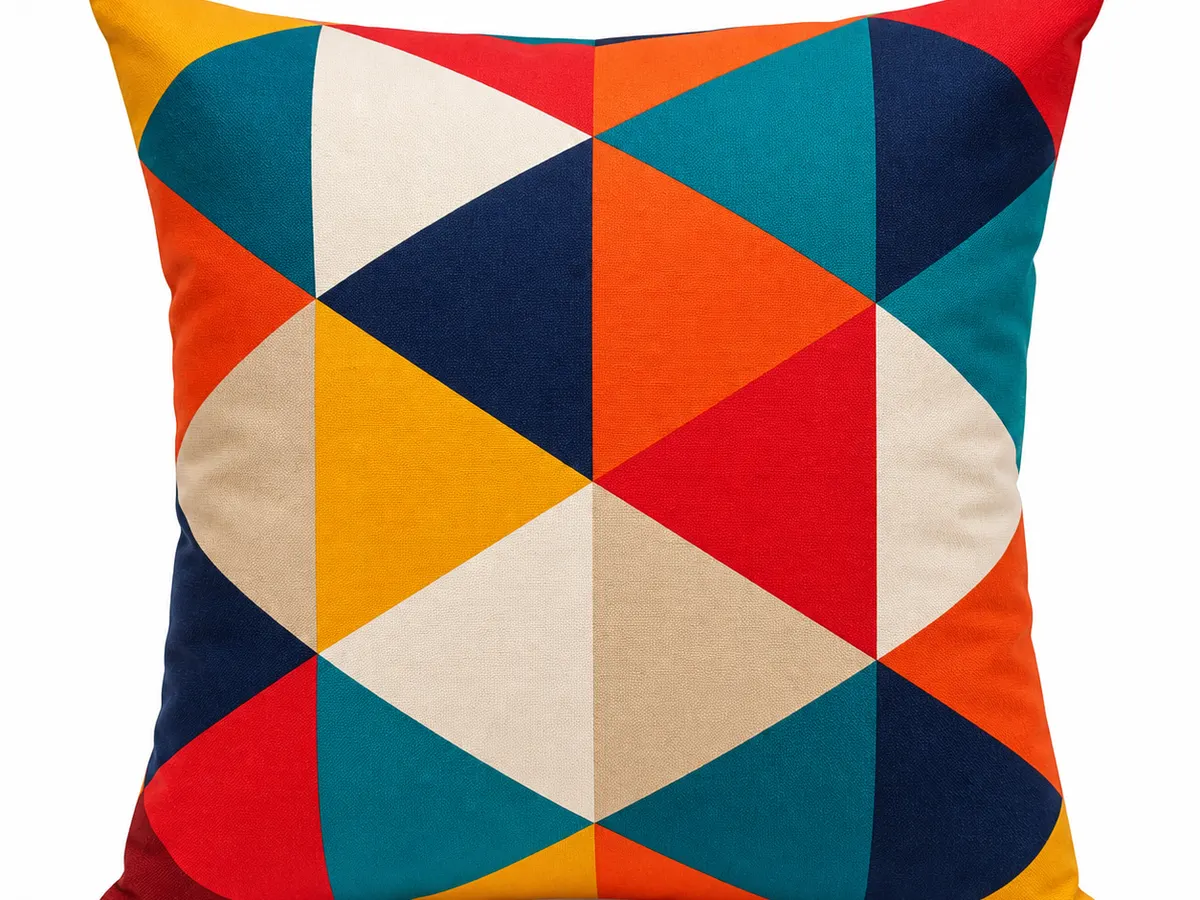
DTF on Cotton Cushion Cover
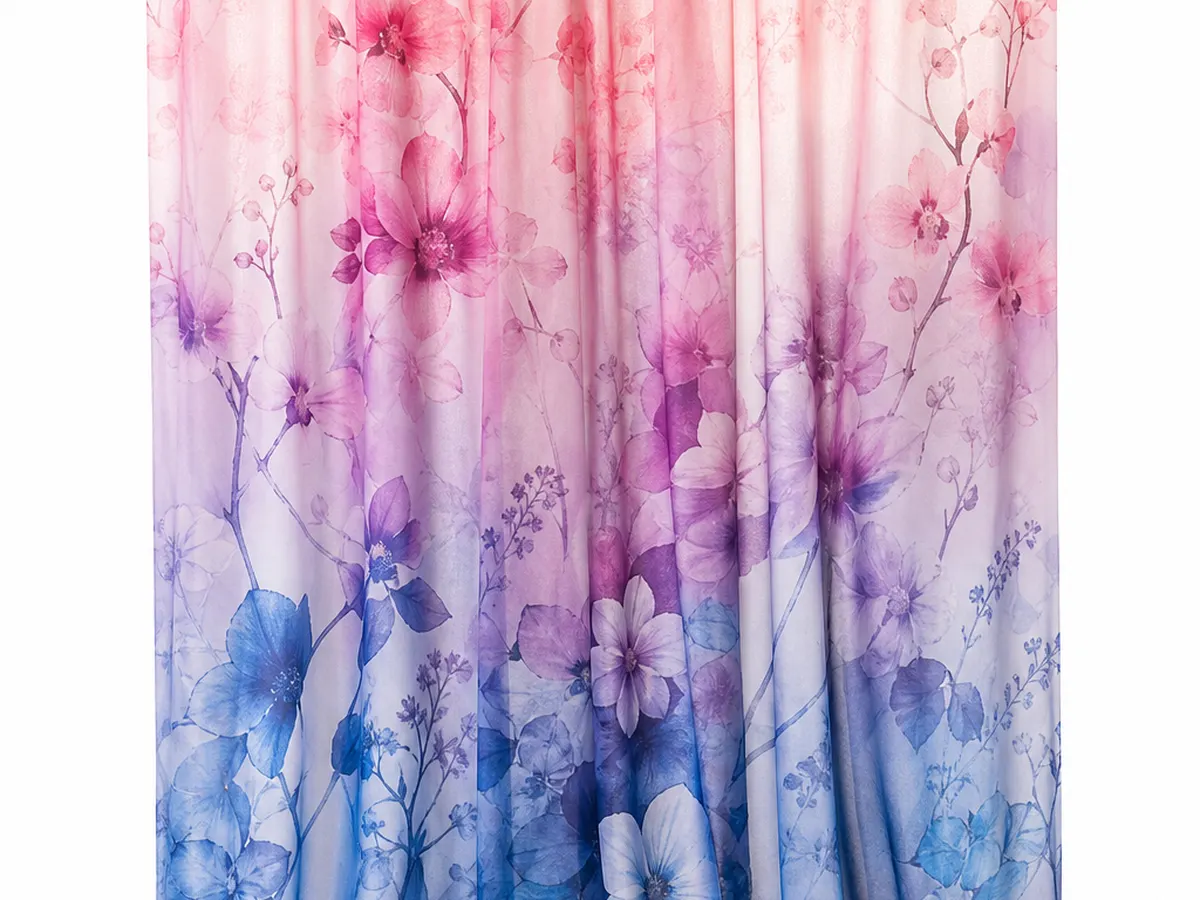
Sublimation on Polyester Curtain

DTG on Premium Cotton Sheet

DTF on Canvas Table Runner
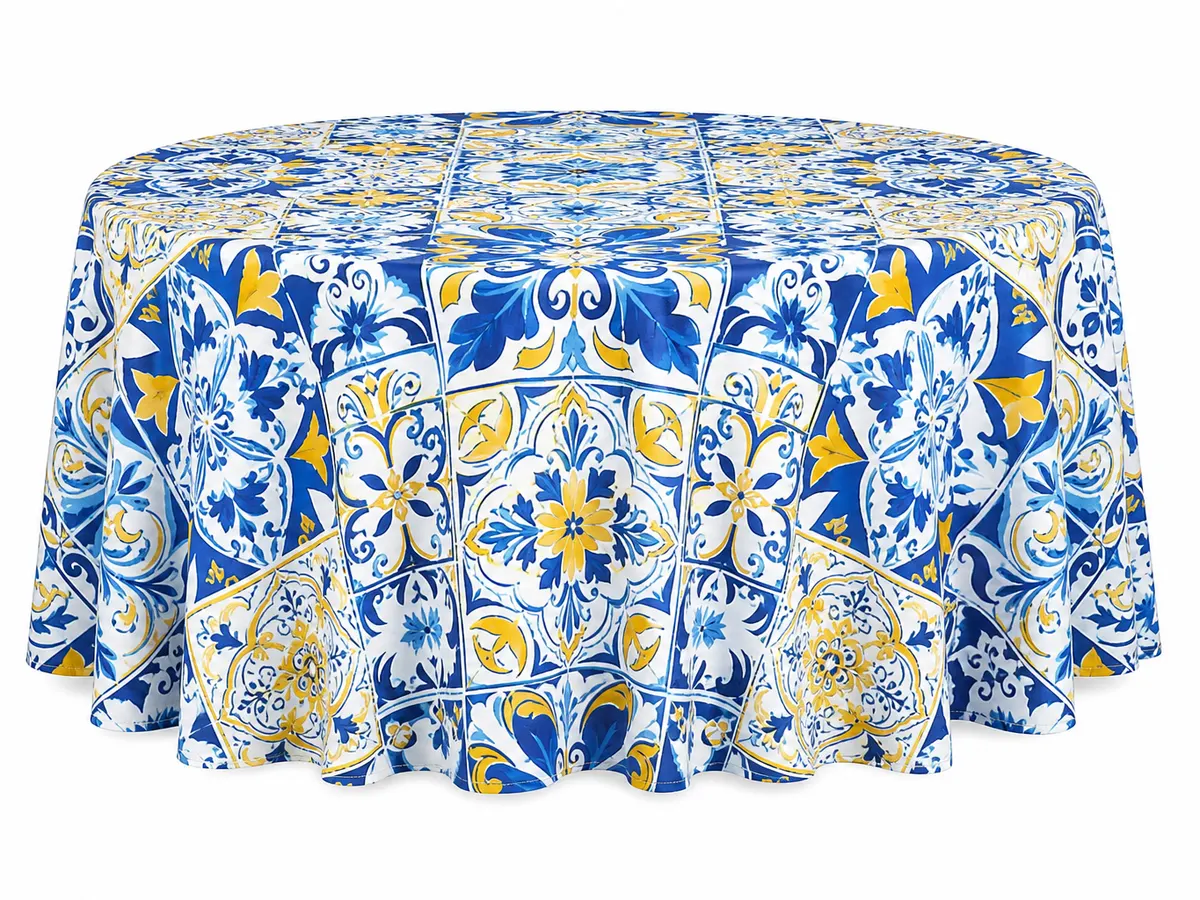
Sublimation on Polyester Tablecloth
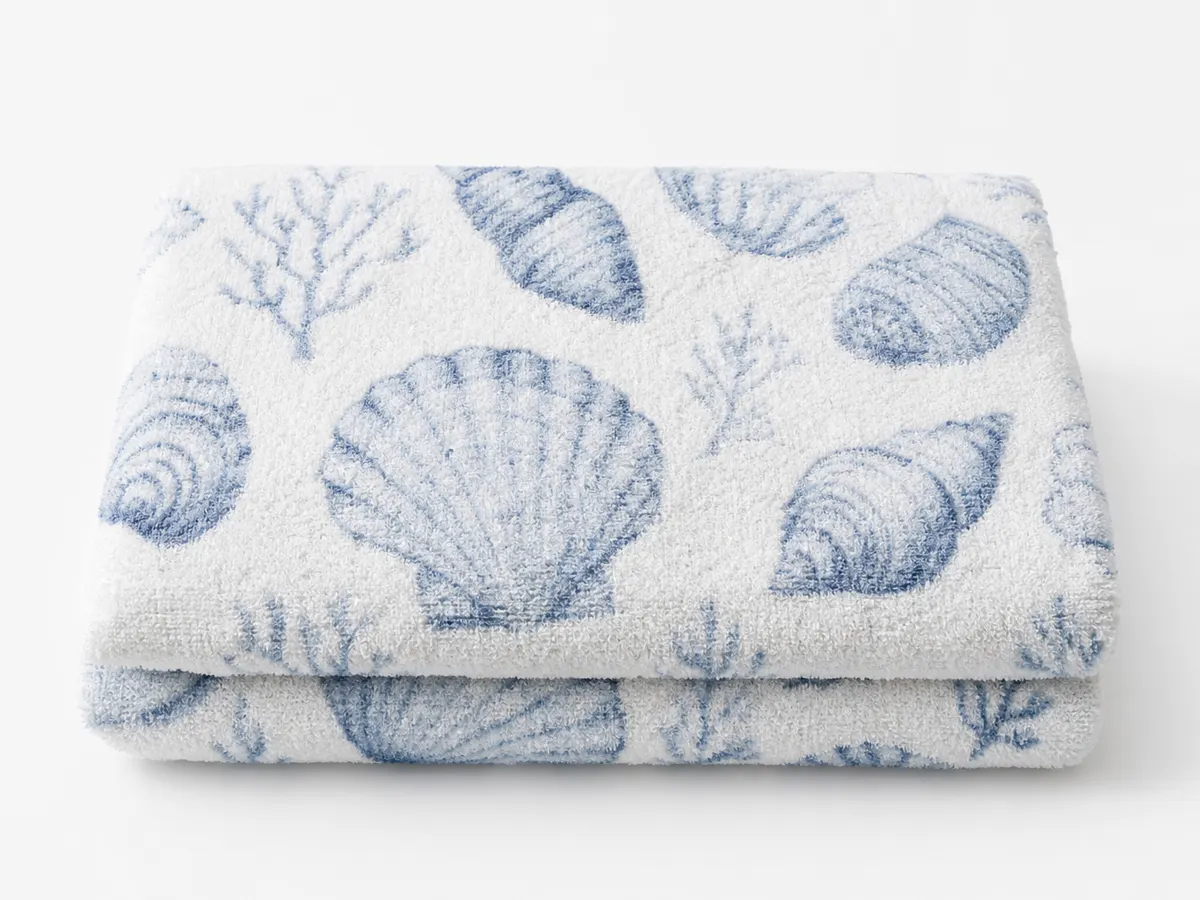
DTG on Cotton Bath Towel
Cost Comparison Matrix
The numbers behind the business. See exactly what you are paying per unit.
| Cost Item | DTF Printer | DTG Printer | Sublimation Printer |
|---|---|---|---|
| Consumables per unit | ~$0.20 – $0.25 | ~$0.25 – $0.30 | ~$0.15 – $0.20 (Ink + paper) |
| Material base cost | $1.50 – $3.00 (Blank cushion cover) | $3.00 – $6.00 (Premium cotton sheet) | $2.00 – $5.00 (Polyester fabric) |
| Total cost per unit | $1.70 – $3.25 | $3.25 – $6.30 | $2.15 – $5.20 |
| Suggested selling price | $5.00 – $12.00 | $8.00 – $20.00 | $6.00 – $15.00 |
| Daily capacity | 200 – 1,000+ prints | 100 – 500+ prints | 100 – 800+ prints |
| Profit Margin | 85% – 90% | 85% – 88% | 88% – 92% |
Assumptions: DTF based on A3 print at $5.00 avg selling price (cushion cover), $0.25 consumable cost. DTG based on A3 print at $6.00 (premium cotton sheet), $0.30 consumable cost. Sublimation based on 1m x 1.5m print at $8.00 (curtain panel), $0.50 consumable cost. 25 working days/month. Profit margin: 85–90% across all three.
ROI Calculator: How Fast Will Your Machine Pay for Itself?
Real numbers from real home textile businesses. See exactly when your investment turns profitable.
| Daily Output | DTF Printer Monthly Profit | DTG Printer Monthly Profit | Sublimation Printer Monthly Profit | DTF Payback | DTG Payback | Sublimation Payback |
|---|---|---|---|---|---|---|
| 50 units/day (Boutique) | ~$1,000/mo | ~$850/mo | ~$900/mo | ~4 months | ~5 months | ~3 months |
| 200 units/day (E-commerce) | ~$4,000/mo | ~$3,400/mo | ~$3,600/mo | ~1 month | ~1.5 months | ~1 month |
| 500 units/day (Small Factory) | ~$10,000/mo | ~$8,500/mo | ~$9,000/mo | ~2 weeks | ~2.5 weeks | ~2 weeks |
| 1,000+ units/day (Production) | ~$20,000+/mo | ~$17,000+/mo | ~$18,000+/mo | ~1 week | ~1.5 weeks | ~1 week |
Operation & Labor: Workflow Comparison
The DTF Workflow
- Print design onto PET film with CMYK + White ink
- Apply hot-melt adhesive powder evenly
- Cure in integrated tunnel oven or standalone shaker/dryer
- Heat-press transfer onto textile at 160°C for 15 seconds
- Peel film cold — print is permanently bonded
The DTG Workflow
- Pretreat fabric with coating spray (for dark colors only)
- Load textile flat onto the printer platen
- Printer sprays CMYK + White water-based ink directly onto fabric
- Heat-press to cure ink into fibers at 170°C for 30 seconds
- No peeling — ink is permanently absorbed into the fiber
The Sublimation Workflow
- Print design onto sublimation transfer paper using sublimation ink
- Place paper face-down on polyester fabric
- Heat-press at 200°C for 45-60 seconds under firm pressure
- Ink sublimates — turns to gas and bonds permanently with polyester
- Peel paper — print is part of the fabric, zero hand-feel
The Global Onboarding Journey: We Do Not Leave You Hanging
From crate to first sale in 3 days. Our engineers guide you live, in your timezone, in your language.
STEP 01
Day 1: Unboxing & Hardware Setup
Video-call guidance for unboxing, printhead alignment, and ink system priming. Your machine is ready to print in 2 hours.
STEP 02
Day 2: Software & Color Calibration
Remote desktop session to install RIP software, load ICC color profiles tuned to your textile substrates, and run test prints.
STEP 03
Day 3: The First Perfect Print
We guide you live through your first production run — calibrating heat, pressure, and timing for your specific textile type.
LIFETIME
24/7 Support Group
Access to a dedicated WhatsApp/Slack chat with our technical team for instant troubleshooting and maintenance tips.
Need a Custom Setup Configuration?
Tell us your textile types and daily order volume. Our engineers will build a customized machine combo and ROI calculation for your factory.
Reliable Fabric Printing Machines: The Zero-Clog Printhead System
White ink maintenance is the biggest headache in DTF and DTG printing. Our machines are engineered to keep you printing, not cleaning.
AUTO CIRCULATION
White Ink Auto-Stirring
Built-in circulation system stirs white ink every 4 hours, preventing titanium dioxide settling — the #1 cause of clogged printheads in DTF and DTG.
SMART CAPping
Auto-Capping Station
When idle, the printhead automatically seals against a wet capping station to prevent ink from drying in the nozzles overnight or over weekends.
FLASH MAINTENANCE
3-Minute Daily Routine
One-button automatic cleaning cycle. No disassembly, no messy syringes. 3 minutes in the morning, and you are ready to print all day.
Built for Home Use: Washability & Durability Specs
Home textiles face weekly washing, sun exposure, and daily wear. Our prints are tested to survive real household conditions.
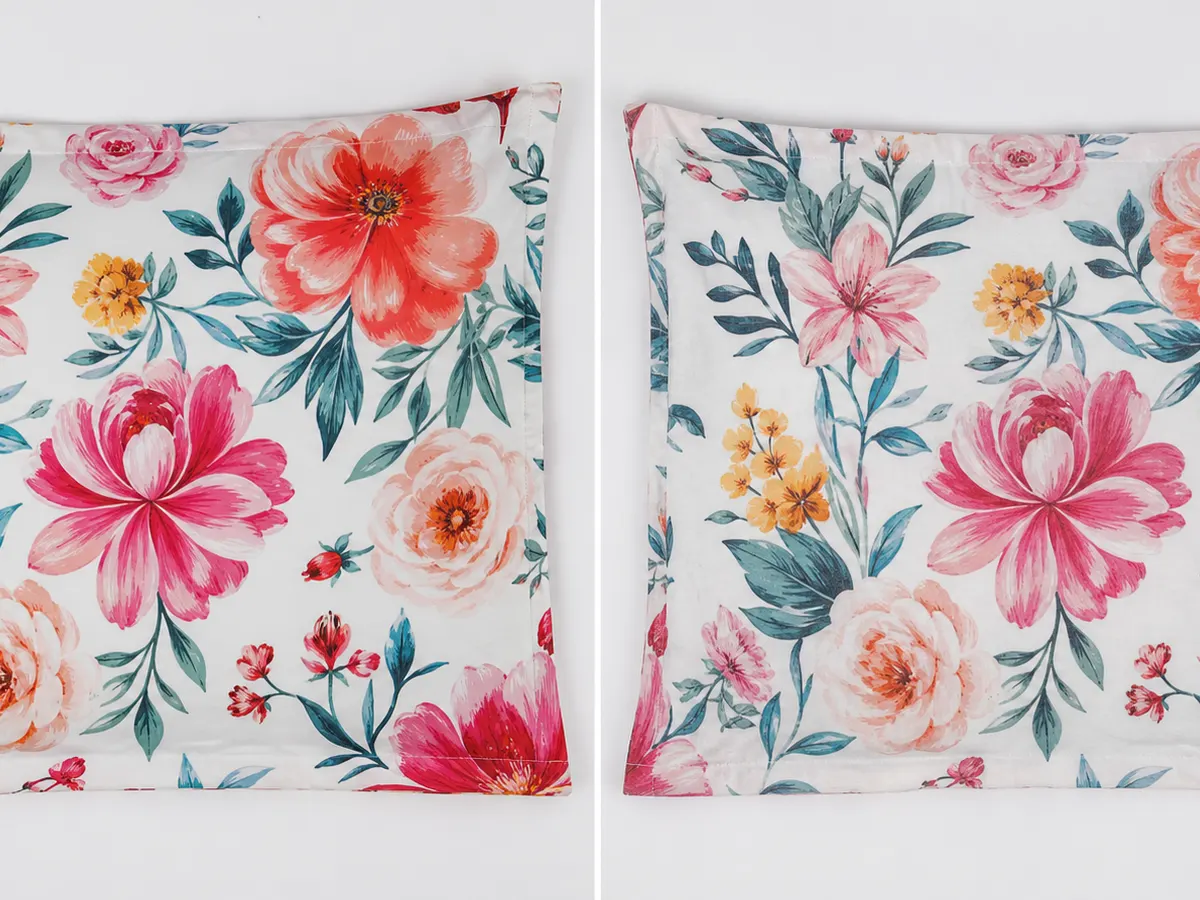
50+ Washes
DTF and DTG prints certified for 50+ heavy-duty machine washes without fading, cracking, or peeling. Home laundry tested.
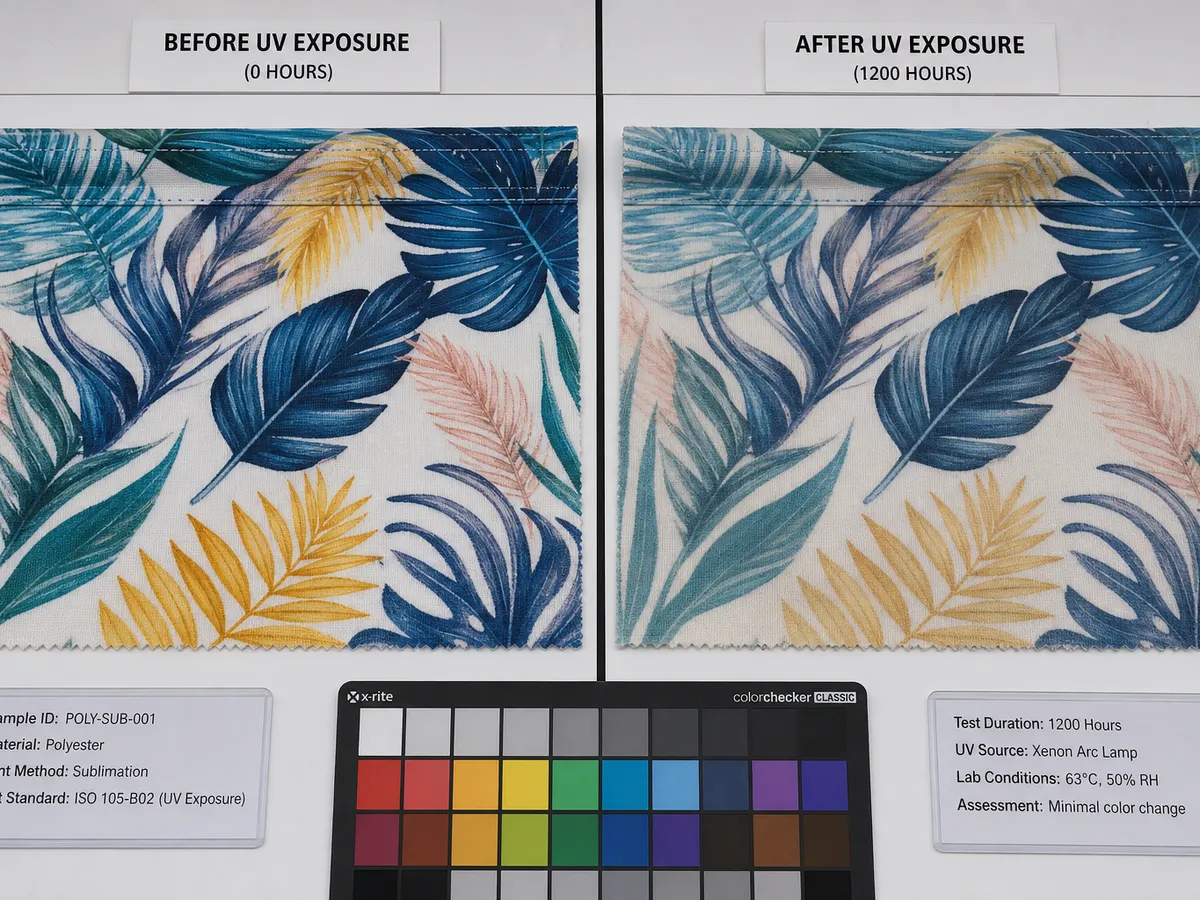
UV Resistant
Sublimation prints on polyester curtains resist fading under direct sunlight. Colors stay vivid for years behind sun-exposed windows.
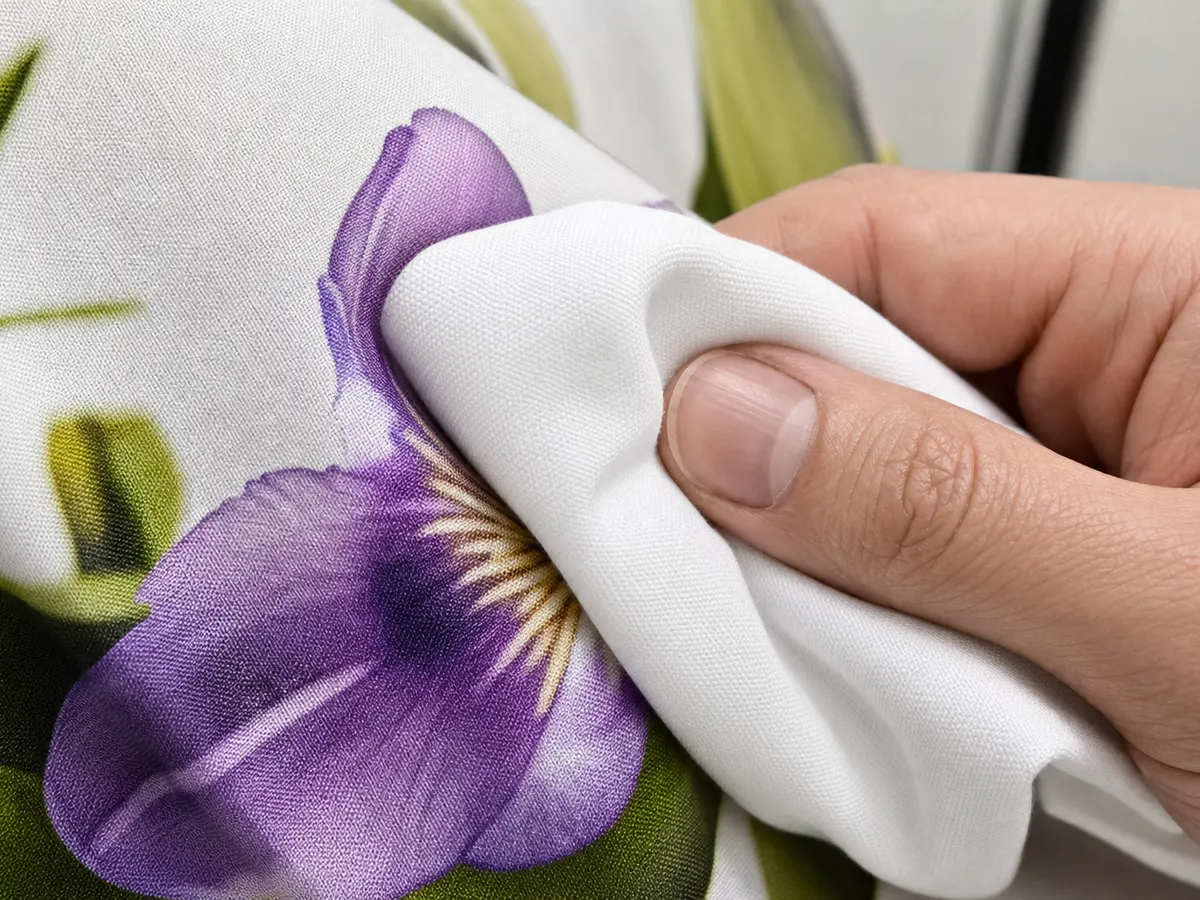
Permanent Bond
Sublimation ink becomes part of the polyester fiber at the molecular level. It will never crack, peel, or fade — the print outlasts the fabric itself.
Success Stories: How We Solve Real Problems
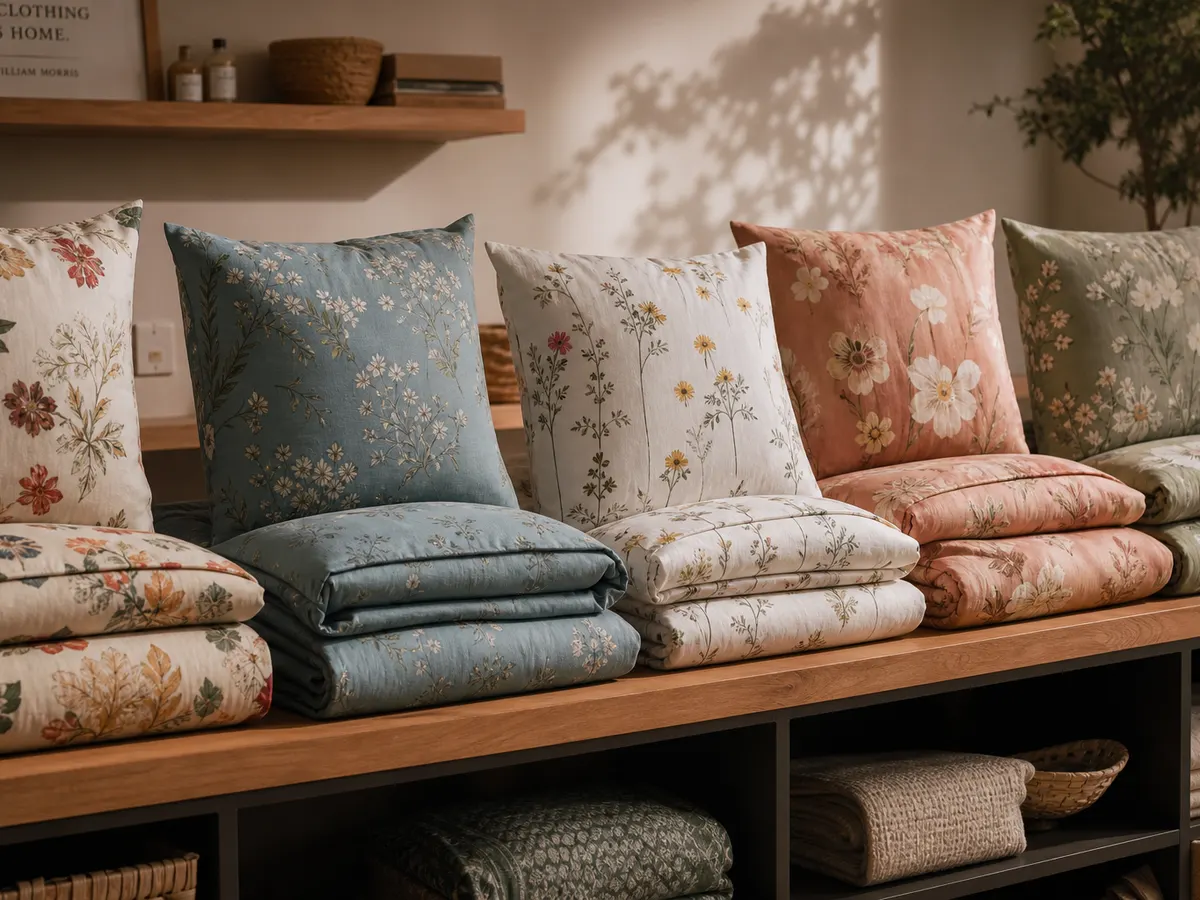
Case 1: The Custom Cushion Brand
Problem: A home decor brand sold custom-printed cushion covers on cotton and canvas. They outsourced screen printing — 3-week lead times, high minimums, and color inconsistencies between batches killed repeat orders. Dark-colored cushion covers were simply not possible.
Our Solution: We deployed a 60cm dual-printhead DTF printer with ICC profiles tuned for cotton and canvas substrates. One machine now handles dark cotton, canvas, and blended fabrics with consistent color from batch to batch.
Result: Lead time dropped from 3 weeks to same-day. Dark cushion covers became their best-selling category. Monthly output reached 2,000+ covers at 65% gross margin, and custom B2B orders from interior designers doubled.

Case 2: The Hotel Textile Supplier
Problem: A hotel supply company needed branded textiles across two fabric types — polyester curtains with full-width scenic designs and cotton bedding with soft-touch logo prints. Sourcing from two different printers meant mismatched colors and split shipments.
Our Solution: We paired a DTF printer (for cotton bedding and towels) with a large-format sublimation printer (for polyester curtains). Both calibrated to the hotel brand’s Pantone standard, shipping from one workshop.
Result: Consolidated to one supplier, cut lead time by 8 days per batch, and won a 5-hotel chain contract. The unified color standard across bedding and curtains became their key competitive advantage in bidding.
Workspace Checklist: What You Need to Start
Perfect for small businesses and workshop startups. Here is exactly what you need to run our setups safely and efficiently.
- Ventilation & Exhaust: DTF and DTG printers include built-in air purifiers. Sublimation produces minimal odor — standard room ventilation is sufficient. No complex outdoor exhaust piping required for desktop setups.
- Climate Control: Optimal performance requires a stable room temperature of 20-28°C (68-82°F) and 45-60% humidity. Textile printing is sensitive to humidity swings — keep it stable.
- Power Supply: Standard AC 110V/220V plug-and-play options available depending on your country. No expensive 3-phase wiring needed for Level 1 & 2 setups. Level 3 factory setups may require 220V dedicated circuits.
- Heat Press: DTF and sublimation both require a heat press. Flat heat press for sheets and cushion covers. Calendar press for large-format sublimation on curtains and wide fabrics.
- Workspace Size: Level 1 (desktop): 4m² minimum. Level 2 (dual machine): 15m². Level 3 (factory line): 40m²+ including heat press and curing area.
Why Partner With Us for Your Fabric Printing Machine Needs?
We are not machine resellers — we are color and stability engineers. Every printer leaves our floor with exclusive ICC curves tuned to your target textiles, anti-sublimation formulations that solve polyester’s toughest problems, and 1-on-1 factory setup guided by the engineers who built your machine.
COLOR ENGINEERING
Exclusive ICC profiles for accurate color matching on each textile substrate
FACTORY SETUP
1-on-1 factory setup guidance from our engineers
LIFETIME SUPPORT
Lifetime WhatsApp support group with real engineers
Frequently Asked Questions
Should I choose DTF, DTG, or Sublimation for my home textiles?
It depends on your fabric and product focus. DTF is the most versatile — it prints on cotton, polyester, blends, canvas, and dark fabrics. DTG is best for premium skin-contact cotton bedding where softness is critical. Sublimation is the only choice for polyester curtains and tablecloths — it produces zero hand-feel prints that never fade. Many home textile businesses run two or three machines to cover every product category.
Do you provide training for beginners?
Yes. Our 3-day remote onboarding program is designed for complete beginners. Day 1 covers unboxing and hardware setup over video call. Day 2 walks through RIP software installation and ICC color profiles via remote desktop. Day 3 guides your first print from start to finish. After onboarding, you have lifetime access to our WhatsApp engineering support group.
How durable are DTF and DTG prints on home textiles?
Both DTF and DTG prints are tested to withstand 50+ industrial wash cycles without fading, cracking, or peeling. For home laundry conditions, this translates to years of regular use. Sublimation prints on polyester are permanently bonded at the molecular level — they will never crack or fade, regardless of wash count.
Can I print on dark-colored home textiles?
DTF handles dark fabrics perfectly — the white ink underbase provides full opacity on black cotton, dark canvas, and colored polyester blends. DTG can also print on dark cotton with pretreatment. Sublimation only works on white or very light-colored polyester — the ink is transparent and cannot produce white.
What is your shipping and warranty policy?
Standard machines ship within 7 days. We offer 12-month warranty on all printers with remote video diagnosis support. Replacement parts are dispatched within 48 hours for common components. Contact us for detailed shipping timelines to your country.
Test Our Fabric Printing Machine Quality Before You Invest
Send us your artwork and target fabric. We will print it, record the process, and ship it to your door. Proof over promises.