

DTG (Direct-to-Garment) printing is a digital printing method that uses specialized inkjet technology to spray water-based ink directly onto fabric, primarily cotton garments. Unlike screen printing which requires separate stencils for each color, DTG prints full-color designs in a single pass, making it ideal for small batches, custom orders, and print-on-demand businesses. The global custom t-shirt printing market is projected to reach $9.82 billion by 2030 according to Grand View Research.

Key Takeaways
- DTG printing applies water-based ink directly onto fabric using inkjet printheads, producing the softest hand feel of any digital printing method
- Best suited for 100% cotton and high-cotton blends (80%+); performs poorly on polyester and synthetic fabrics
- Startup costs range from $18,500–$29,500 for a complete DTG setup (printer + pretreatment + heat press + RIP software)
- Per-print cost: $3.50–$6.50 for light garments, $4.50–$8.50 for dark garments (including blank shirt)
- DTG prints last 40–50 wash cycles with proper care, compared to 50+ for DTF and 100+ for plastisol screen printing
What Is DTG Printing?
Direct-to-Garment (DTG) printing is a digital textile printing process where specialized inkjet printheads deposit water-based ink directly onto fabric. The technology works similarly to a desktop paper printer — RIP (Raster Image Processor) software translates digital designs into precise ink droplet patterns, and printheads spray CMYK ink plus white (for dark fabrics) onto the garment surface.
DTG ink is water-based and designed to penetrate fabric fibers rather than sit on top. This penetration produces the characteristically soft hand feel that distinguishes DTG from transfer-based methods like DTF or HTV. The ink becomes part of the fabric rather than a layer applied to it, which is why premium apparel brands favor DTG for their cotton product lines.
The technology was originally developed for the industrial textile market in the early 2000s and has since become accessible to small businesses through desktop-sized machines. Modern DTG printers use precision printheads from manufacturers like Epson (PrecisionCore), Ricoh (Gen5/Gen6), and Brother, delivering photographic-quality prints at 1440×1440 DPI resolution or higher.
How DTG Printing Works: Step by Step
The DTG printing process involves four main stages:
1. Design Preparation Create or import artwork at 300 DPI or higher in PNG, TIFF, or PSD format with transparent backgrounds. RIP software processes the file, separating white ink (underbase) from color layers and calculating ink drop placement for the specific fabric type.
2. Pretreatment (Dark Garments Only) For dark fabrics, apply pretreatment liquid to the print area using a spray bottle or automatic pretreatment machine. Pretreatment creates a surface that allows white ink to sit on top of the fabric rather than soaking through. Heat-press the garment for 5–10 seconds to dry the pretreatment and flatten the fibers.
3. Printing Load the garment onto the printer platen, ensuring the fabric is flat and wrinkle-free. The printer first lays down a white underbase layer (on dark garments), then prints CMYK colors on top. Print time ranges from 1–5 minutes per garment depending on design size and complexity.
4. Curing Immediately after printing, cure the ink using a heat press at 320°F (160°C) for 90–180 seconds, or a conveyor dryer at the same temperature. Curing bonds the ink permanently to the fabric fibers. Incomplete curing causes wash fading — this is the most common quality issue in DTG production.
DTG Equipment and Startup Costs
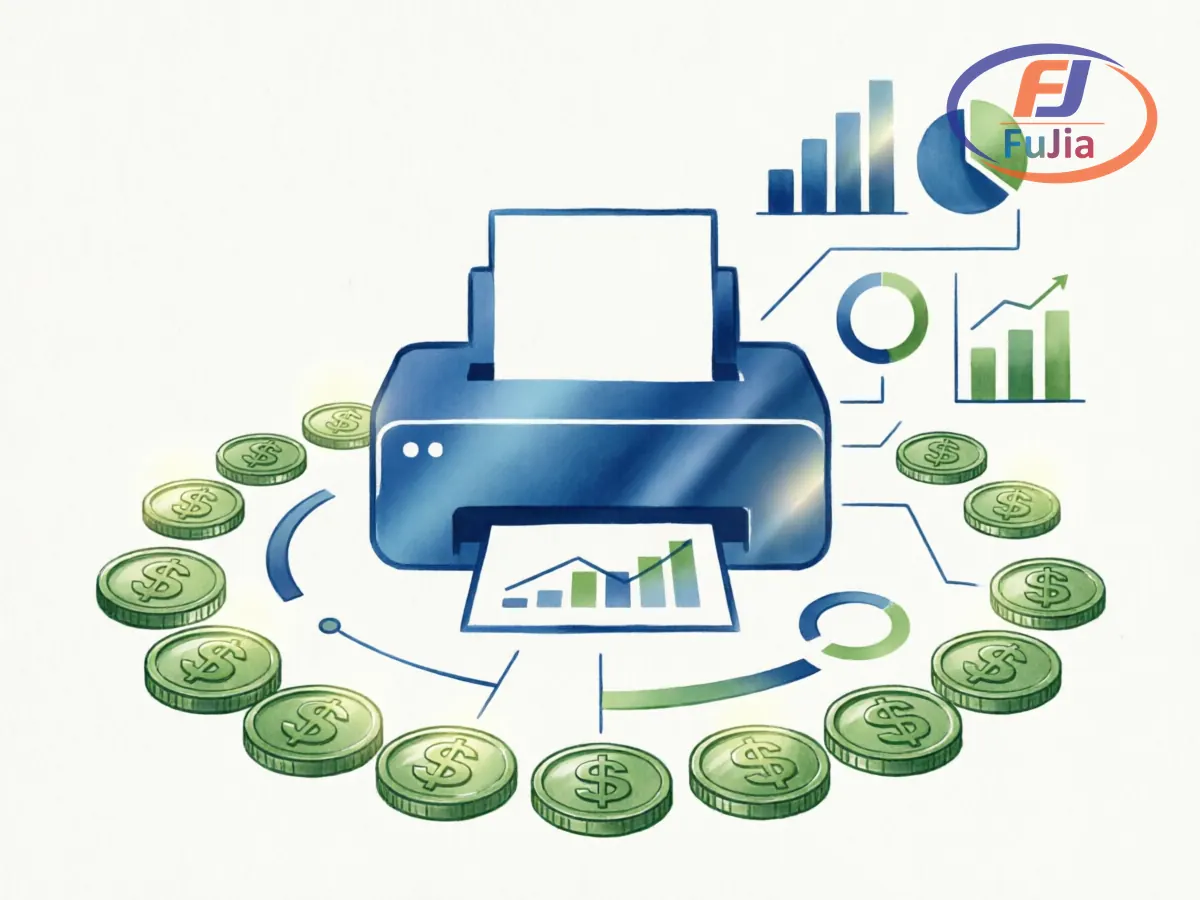
Setting up a DTG printing operation requires several pieces of equipment. The table below outlines the full investment:
| Equipment | Entry-Level | Professional/Industrial |
|---|---|---|
| DTG printer | $10,000–$20,000 (Epson F2100, Brother GTX Pro) | $50,000–$250,000 (Kornit, Aeoon) |
| Pretreatment machine | $2,000–$5,000 | $5,000–$15,000 |
| Heat press | $500–$2,000 | $2,000–$5,000 (conveyor dryer) |
| RIP software | $500–$1,500 | $1,500–$3,000 |
| Cleaning & accessories | $500–$1,000 | $1,000–$2,000 |
| Total startup | $18,500–$29,500 | $60,000–$275,000 |
Entry-level systems like the Epson SureColor F2100 and Brother GTX Pro handle 20–40 garments per day and suit startups and small print shops. Industrial systems from Kornit and Aeoon produce 50–200+ garments per hour and serve large-scale POD fulfillment centers.
For a comparison between DTG and the increasingly popular DTF alternative, read our DTF vs DTG analysis.
DTG Per-Print Cost Breakdown
Understanding per-print economics is essential for pricing and profitability. The following breakdown assumes a standard 12×12 inch full-color design:
| Cost Component | Light Garment | Dark Garment |
|---|---|---|
| Blank shirt | $2.00–$4.00 | $2.00–$4.00 |
| Ink (CMYK) | $0.50–$1.00 | $0.50–$1.00 |
| White ink (underbase) | — | $0.50–$1.50 |
| Pretreatment liquid | — | $0.25–$0.50 |
| Labor + overhead | $1.00–$1.50 | $1.00–$1.50 |
| Total per shirt | $3.50–$6.50 | $4.50–$8.50 |
Retail prices for custom DTG-printed shirts typically range from $20–$35, yielding gross margins of 200–400%. The highest-margin products are limited-edition designs, personalized gifts, and artist collaborations where customers pay premium prices for uniqueness rather than production efficiency.
Fabric Compatibility Guide
DTG printing performs differently depending on fabric type. Understanding these limits prevents wasted materials and customer complaints:
| Fabric Type | DTG Performance | Notes |
|---|---|---|
| 100% cotton | Excellent | Best results — ink penetrates and bonds deeply |
| Cotton/poly blend (80/20) | Good | Slight color shift on synthetic fibers |
| Cotton/poly blend (60/40) | Fair | Visible color difference between cotton and poly areas |
| Tri-blends (cotton/poly/rayon) | Fair | Vintage look, muted colors |
| 100% polyester | Poor | Ink does not bond properly; colors wash out quickly |
| Nylon, spandex | Not recommended | Ink repels; use DTF or sublimation instead |
| Waterproof/coated fabrics | Not recommended | Surface treatment blocks ink absorption |
For polyester garments and performance wear, DTF printing or dye sublimation are far superior choices. See our DTF printer guide for beginners for an alternative that handles all fabric types.
DTG vs Other Printing Methods
| Feature | DTG | Screen Printing | DTF | Sublimation |
|---|---|---|---|---|
| Best fabric | Cotton | Any | Any | Polyester |
| Setup time | Minutes | Hours (per color) | Minutes | Minutes |
| Cost at low volume | Low | High | Low | Low |
| Cost at high volume | High | Low | Medium | Medium |
| Color unlimited | Yes | No (per-color cost) | Yes | Yes |
| Hand feel | Softest | Medium (plastisol) | Slightly thick | Very soft (poly only) |
| Durability (washes) | 40–50 | 100+ | 50+ | 100+ |
| Pretreatment | Yes (darks) | No | No | No |
DTG occupies a specific niche: low-volume, full-color, premium-feel cotton printing. For high-volume production, screen printing remains more economical. For fabric versatility, DTF is the better choice. For polyester sportswear, sublimation is unmatched.
DTG Maintenance Requirements
DTG printers demand consistent maintenance — more than any other digital printing method. The primary challenge is white ink, whose titanium dioxide pigments settle quickly and clog printheads if not circulated regularly.
Daily maintenance routine: – Printhead nozzle check and cleaning (5 minutes) – Wiper blade and capping station cleaning – White ink circulation (manual or automatic) – Platen and work surface wipe-down
Weekly/monthly maintenance: – Damper replacement – Waste ink bottle emptying – Platen height recalibration – Deep printhead cleaning cycle
Neglecting maintenance leads to clogged nozzles, banding in prints, and potentially permanent printhead damage. A replacement printhead costs $500–$2,000 depending on the printer model. Businesses should factor 20–30 minutes of daily maintenance into their labor costs. For detailed procedures, see our DTF printer maintenance guide — the principles apply to DTG as well. The Epson SureColor F2100 product page provides manufacturer-recommended maintenance schedules.
Pros and Cons of DTG Printing
Advantages: – Full-color printing with no per-color setup costs – Photographic detail and smooth gradients on cotton – Softest hand feel of any digital method – Ideal for print-on-demand and single-item orders – Water-based, eco-friendly inks (OEKO-TEX certified)- No minimum order quantity
Disadvantages: – High equipment cost ($18,500+ to start) – Requires pretreatment for dark garments (adds time, cost, variability) – Limited to cotton and high-cotton blends – White ink maintenance is demanding – Slower than screen printing at high volumes (1–5 minutes per shirt) – Durability (40–50 washes) is lower than screen printing or DTF
Who Should Use DTG Printing?
DTG printing is ideal for businesses that match this profile:
- Print-on-demand stores selling custom designs through Shopify, Etsy, or WooCommerce
- Premium apparel brands focused on 100% cotton products where soft feel is the selling point
- Artists and designers selling limited-edition prints with complex, multi-color artwork
- Local print shops fulfilling walk-in custom orders
- Corporate merchandise for events, team apparel, and promotional items in small quantities
DTG is not ideal for businesses that primarily print on polyester sportswear, need 500+ units per design, or require maximum print durability for heavy-wear applications.
Frequently Asked Questions
What does DTG printing stand for?
DTG stands for Direct-to-Garment, a digital printing method that uses inkjet technology to spray water-based ink directly onto fabric. Unlike transfer-based methods where a design is printed on film or paper first and then applied to fabric, DTG prints straight onto the garment surface. The ink absorbs into fabric fibers, producing prints with a soft hand feel that many consumers prefer over the slightly thicker texture of heat transfers. DTG technology was adapted from industrial textile printing and has become widely accessible through desktop machines from manufacturers like Epson, Brother, and Ricoh. The method excels on cotton-rich garments and is the backbone of the print-on-demand apparel industry.
How long do DTG prints last?
DTG prints typically last 40–50 wash cycles before showing visible fading when properly cured and cared for. Washing in cold water, turning garments inside out, and air drying extends print life significantly. Hot water washing and machine drying accelerate fading. On dark garments, where white ink underbase and pretreatment are involved, durability is more variable — prints may begin showing micro-cracking around wash 30 if pretreatment was inconsistent. DTG durability is lower than screen printing with plastisol ink (100+ washes) and DTF transfers (50+ washes). For products that require maximum longevity — workwear, uniforms, frequently-laundered items — DTF or screen printing are better choices. DTG is best suited for fashion and lifestyle apparel where garments are replaced after a season or two of regular wear.
Can DTG print on polyester?
DTG printing performs poorly on 100% polyester and synthetic performance fabrics. Water-based DTG ink is formulated to bond with cotton fibers, and polyester’s hydrophobic surface prevents proper ink absorption. On polyester, DTG ink sits on the surface, resulting in muted colors, poor adhesion, and rapid wash-out — often within 5–10 washes. For polyester garments, three alternatives produce far superior results: dye sublimation (best for white/light polyester), DTF printing (works on all fabric types including polyester), and screen printing with polyester-compatible ink systems. Businesses that offer both cotton and polyester apparel typically use DTG for cotton products and DTF or sublimation for synthetic fabrics. This hybrid approach ensures optimal quality across a diverse product catalog.
Is DTG printing profitable?
DTG printing is profitable for businesses that target the right market and manage costs effectively. Per-shirt production costs range from $3.50–$6.50 for light garments and $4.50–$8.50 for dark garments, while retail prices for custom printed shirts range from $20–$35. This yields gross margins of 200–400%, which is healthy for apparel. Profitability depends on several factors: maintaining consistent print quality to minimize waste (wasted shirts from misprints directly erode margin), controlling white ink consumption on dark garments, keeping maintenance schedules to avoid costly printhead replacements, and pricing designs based on value rather than cost-plus formulas. The highest-margin DTG businesses sell custom or personalized designs where customers pay premium prices for uniqueness. Pure commodity printing (bulk same-design shirts) is less profitable with DTG than screen printing.
What is the difference between DTG and DTF?
DTG (Direct-to-Garment) prints ink directly onto fabric, while DTF (Direct-to-Film) prints onto a PET film that is then transferred to fabric using heat and adhesive powder. DTG produces the softest hand feel because ink absorbs into fibers, but only works well on cotton. DTF works on virtually all fabrics — cotton, polyester, blends, nylon — and produces more durable prints (50+ washes vs DTG’s 40–50), but has a slightly thicker, transfer-like feel. DTF requires no pretreatment, reducing both cost and process variability. DTG equipment and DTF equipment occupy similar price ranges at the entry level. Many apparel businesses run both systems: DTG for premium cotton products where soft feel matters, DTF for everything else. For a detailed side-by-side analysis including cost breakdowns and durability testing, read our DTF vs DTG comparison.
Conclusion
DTG printing delivers unmatched print quality and soft hand feel for cotton garments, making it the technology of choice for print-on-demand businesses and premium apparel brands. While startup costs and maintenance demands are higher than alternatives, the ability to print full-color designs with zero setup makes DTG economically unbeatable for small-batch, high-margin custom apparel. For DTG printer sourcing and factory-direct pricing, contact Fujia Print to explore our equipment options.
