

Infusible ink vs sublimation is not a contest between two chemistries. Cricut Infusible Ink is a consumer-packaged form of dye sublimation, so both rely on the same disperse-dye process and deliver the same permanent, peel-proof result. The real decision comes down to workflow, upfront cost, and how many pieces you plan to make.
Key Takeaways
- Winner for beginner ease: Cricut Infusible Ink, with a $30 to $100 startup and no printer required.
- Winner for cost at scale: a dye sublimation printer, which undercuts sheet cost past roughly 150 pieces a week.
- Bottom line: both need 65%+ polyester and share one disperse-dye chemistry, delivered two ways.
- Next step: switch to a printer once output passes a few dozen pieces a week.
Side-by-Side Comparison
| Feature | Cricut Infusible Ink | Dye Sublimation Printer |
|---|---|---|
| Core chemistry | Disperse-dye sublimation | Disperse-dye sublimation |
| Printer needed | No, Cricut cutter only | Yes, sublimation printer |
| Design source | Pre-printed sheets, pens | Any digital file, photo, gradient |
| Startup cost | $30 to $100 | $200 to $500+ |
| Per-print cost | Higher per project | Lower at volume |
| Cutting & weeding | Required for sheets | None, paper is self-weeding |
| Substrate rule | 65%+ polyester, light only | 65%+ polyester, light only |
| Press temperature | ~385°F (196°C), 40s | 385 to 400°F (196 to 204°C) |
| Best for | Hobbyists, occasional crafts | Businesses, custom runs |
Last updated: 2026-07. Both columns share the same chemistry and the same substrate limits. The differences sit in equipment, design freedom, and economics.
What Infusible Ink Really Is
Cricut Infusible Ink is a branded, ready-to-use form of sublimation. The transfer sheets already carry disperse dye in solid colors and patterns. A Cricut cutter traces the design, the crafter weeds the excess, and a heat press drives the dye into the blank at roughly 385°F (196°C) for about 40 seconds. Cricut rates its presses up to 205°C for Infusible Ink projects.
The finished print is molecularly bonded to the fibers, which is why it feels smooth and will not crack or peel like vinyl. That identical result comes from identical chemistry, not a different process. Infusible Ink simply removes the printer, the ink bottles, and the transfer paper from the equation. Both routes still demand a light-colored blank with at least 65% polyester, because the dye must penetrate synthetic fibers to bond.
How Dye Sublimation Prints
A sublimation printer lays liquid disperse dye onto coated transfer paper. Under heat and pressure, that dye turns to gas and penetrates polyester fibers or a polymer-coated surface, then solidifies inside the material. A typical fabric press runs at 200°C for 45 to 60 seconds, and a mug press at 180°C for 60 seconds, with hot peel on polyester blanks of 60%+. The phase change from solid to gas without becoming liquid is the literal definition of sublimation, which is why the method carries the name. Dye sublimation printing uses this same physics to lock color into the substrate.
Sublimation gives full design control. You can print photographs, gradients, and custom artwork with no cutting or weeding, because the blank areas of the paper carry no dye and transfer nothing. For the full mechanics, see how dye sublimation printing works and our guide to the dye sublimation printer. The wash-proof, fade-proof durability of both methods is measured by standards bodies such as AATCC, which sets the textile colorfastness test methods.
Head-to-Head: Infusible Ink vs Sublimation on Cost and Volume
The economics split cleanly by volume. Infusible Ink carries a low entry price of $30 to $100 for sheets and a cutter, but each project costs more because you buy pre-made material. A sublimation printer asks for $200 to $500+ up front for the machine, ink, and paper, then drops the per-print cost sharply once you run volume.
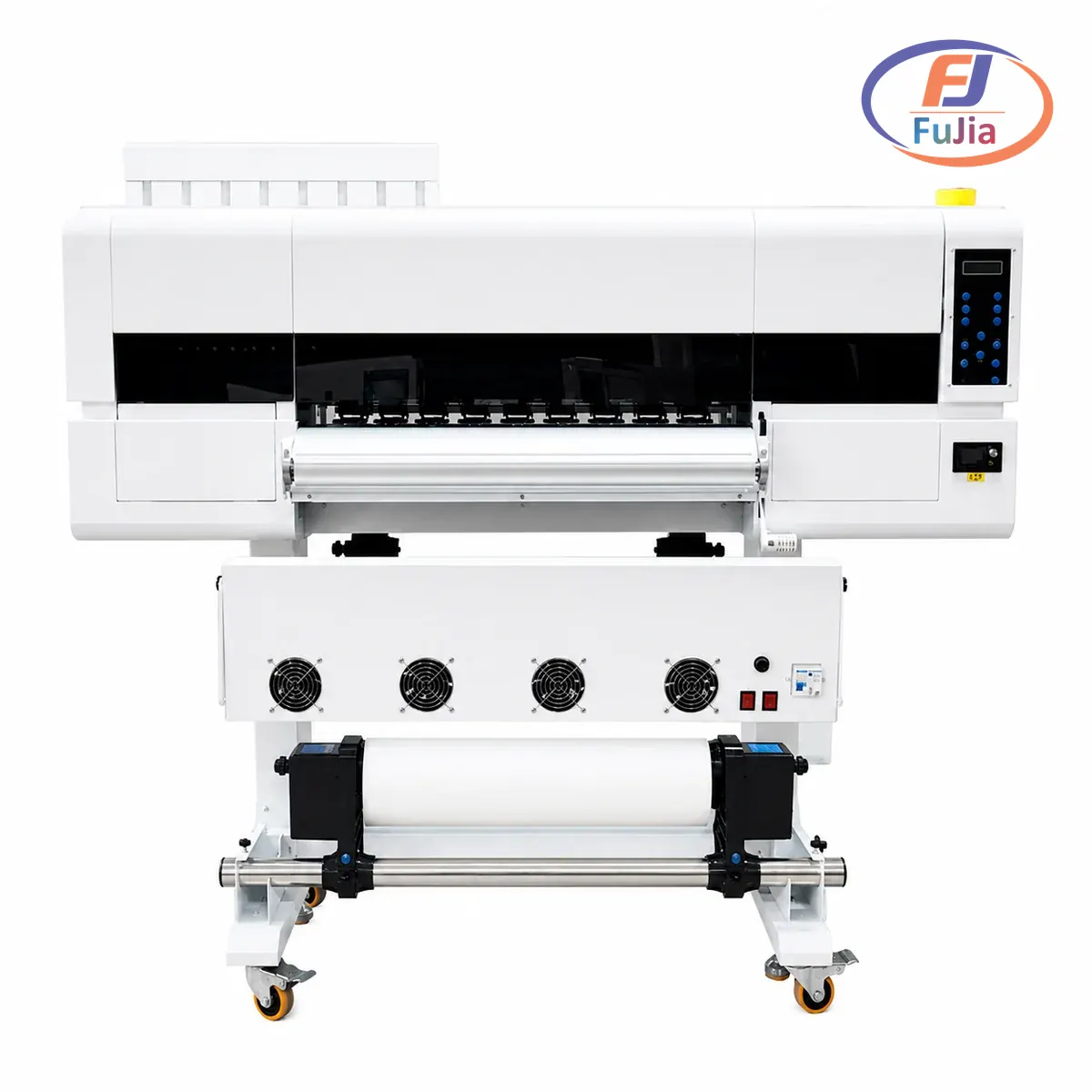
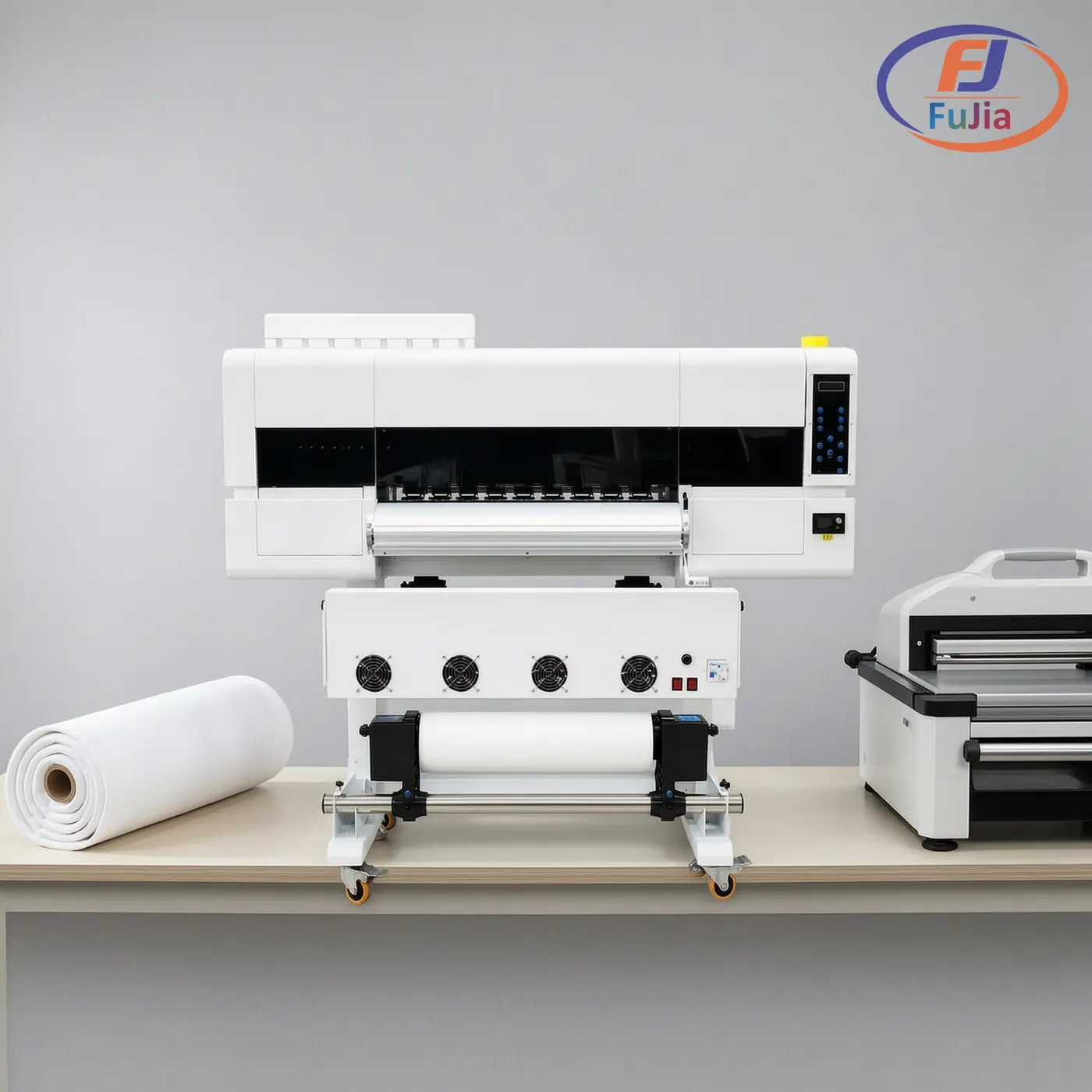
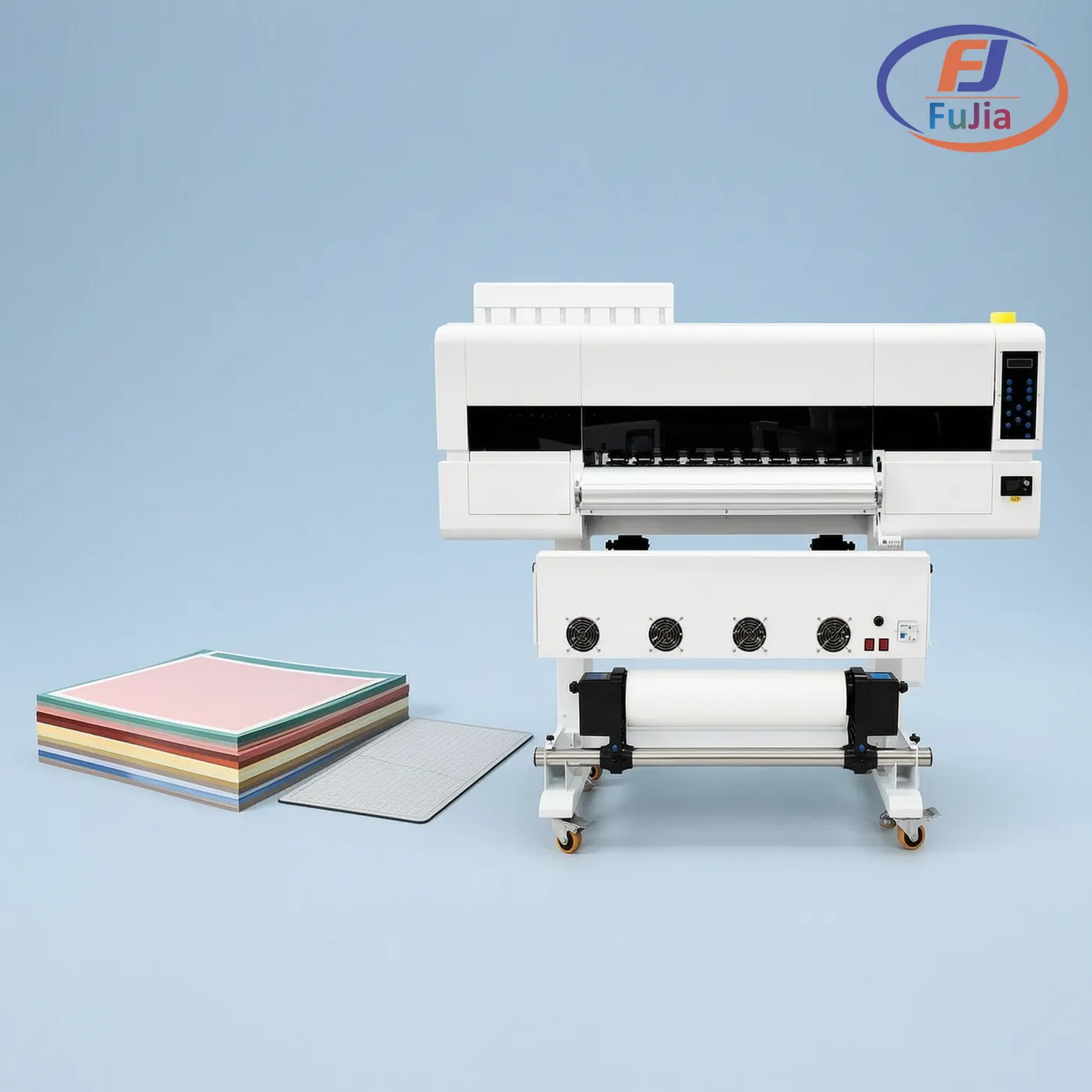
Fujia Print builds the A1 Sublimation 2-Head (SUB-A1-2H) on a 650mm width with two Epson printheads, manufactured in a 3,500 m² Guangzhou facility; Fujia has exported to 50+ countries since its 2011 founding. For a print business, that production-class hardware is the point where sublimation pulls clearly ahead of craft sheets. Our sublimation ink is formulated for polyester fabric and pairs with these widths for repeatable, brand-matched color.
Based on data from our customers across 50+ countries, in-house sublimation typically breaks even against outsourcing at roughly 150 to 300 transfers per week, with payback inside 3 to 8 months. One hotel-textile supplier we supplied paired sublimation with DTF to match Pantone colors across polyester and cotton, cut 8 days off each batch, and won 5 hotel chain contracts. At that scale, Infusible Ink sheets cannot compete on unit cost. For exact press settings on fabric and mugs, our sublimation temperature chart lists 200°C for 45 to 60 seconds on fabric and 180°C for 60 seconds on an 11oz mug.
The learning curve also tilts with volume. Infusible Ink is approachable for a first project. Sublimation adds printer calibration, ICC profiles, and color management, yet those same controls are what let a business match brand colors and repeat them on every run. Fujia backs its sublimation line with a 12-month warranty and ships common parts within 48 hours, so a production stoppage stays short.
Which Should You Choose?
The crossover lands near 150 transfers per week. Below it, Infusible Ink’s $30 to $100 startup wins on simplicity. Above it, a sublimation printer’s $200 to $500+ investment pays back through lower per-print cost.
| If you need… | Pick |
|---|---|
| A few crafts a month, no printer at home | Cricut Infusible Ink |
| Photo-quality, custom, or gradient designs | Dye sublimation printer |
| 150+ pieces per week, repeating brand colors | Dye sublimation printer |
| Lowest possible startup spend | Cricut Infusible Ink |
| Mugs, mats, and hard blanks at volume | Dye sublimation printer |
Verdict
Choose Cricut Infusible Ink for low-commitment craft projects where you value simplicity over design freedom. Move to a dye sublimation printer once your output crosses a few dozen pieces a week, because that is where unit cost, custom artwork, and production speed all favor the printer. When you frame infusible ink vs sublimation as a scale question, the answer is clear: sheets win for simplicity, printers win for volume, and the professional route starts with a 650mm A1 sublimation printer built for real production runs.
Conclusion
Infusible Ink vs sublimation is ultimately a scale decision wearing two outfits. Cricut Infusible Ink wins for the occasional crafter who wants a $30 to $100 start with no printer and accepts pre-made sheet patterns. A dye sublimation printer wins once output passes roughly 150 to 300 transfers per week, because unit cost, full design control, and photo-quality gradients all favor the printer. Both share one disperse-dye chemistry and the same wash-proof, fade-proof, dishwasher-safe result on 65%+ polyester blanks, so neither is “better” in the lab, only in your volume.
For production-scale sublimation, Fujia Print builds the A1 Sublimation 2-Head (SUB-A1-2H) on a 650 mm width with two Epson printheads, backed by a 12-month warranty and 48-hour parts dispatch. See our sublimation ink guide for polyester formulation, the dye sublimation printer overview for the full equipment picture, and contact Fujia Print for factory-direct pricing and a free sample on your own blank.
Is Cricut Infusible Ink basically sublimation?
Yes. Cricut Infusible Ink uses the exact same disperse-dye chemistry as traditional dye sublimation. Both methods heat solid dye into a gas that penetrates polyester fibers or polymer-coated surfaces and bonds permanently, so the final print feels identical and will not peel or crack. The only real difference is delivery: Infusible Ink arrives pre-applied to solid transfer sheets you cut with a Cricut machine, while standard sublimation prints liquid ink from a printer onto transfer paper. Cricut packaged the same technology into a beginner-friendly format that removes the printer, ink, and paper from the workflow. That is why the two produce the same wash-proof, fade-proof result on the same 65%+ polyester, light-colored blanks. Treat them as one chemistry with two workflows rather than two competing processes.
What is Infusible Ink used for?
Infusible Ink is used for personalizing compatible blanks that contain polyester or a polymer coating, including T-shirts, tote bags, coasters, and ceramic mugs. Cricut sells Infusible Ink transfer sheets, pens, and markers, all designed to bond with their branded blanks under heat from an EasyPress, Autopress, Hat Press, or Mug Press. The result is a smooth design that becomes part of the item rather than sitting on top like iron-on vinyl. Because the dye must penetrate the material, Infusible Ink only works on light-colored, 65%+ polyester fabric or specially coated surfaces, and it will not adhere to dark garments or natural cotton. Crafters choose it for quick, simple projects such as basic shirts and bags in solid colors or pre-patterned sheets, where buying ready-made material beats setting up a printer.
What is better, sublimation or Cricut?
The better choice depends on your output and design needs. Sublimation wins for businesses and serious makers who want unlimited custom designs, photo-quality prints, and the lowest per-print cost once volume climbs past roughly 150 to 300 transfers per week. A sublimation printer also skips cutting and weeding entirely, since the transfer paper is self-weeding. Cricut Infusible Ink wins for beginners and occasional crafters who want the fastest start with the smallest investment, typically $30 to $100 versus $200 to $500+ for a printer setup. Infusible Ink limits you to available sheet patterns and colors and requires weeding each sheet. If your goal is a few projects a month, Cricut is better. If your goal is custom products at scale, a sublimation printer is better.
Can you sublimate over Infusible Ink?
You should avoid sublimating over an already-pressed Infusible Ink design. Both layers use disperse dye, but layering a second sublimation print on top of a finished Infusible Ink transfer risks uneven heat, dye bleed, and a muddy result because the first layer re-activates under the press. The safer approach is to plan a single combined design: either cut your Infusible Ink sheet to leave space, or print one sublimation transfer that covers the whole graphic in one press at 385 to 400°F (196 to 204°C). If you want multi-color, photo-real artwork, print it once with a sublimation printer instead of stacking Infusible Ink sheets. Neither method works on dark or cotton blanks, so substrate choice still governs the project regardless of which layer you start with.
