

Searching for a DTF printer for sale returns a wall of reseller listings from $500 to $30,000, and most of them mark up the same machines you can buy closer to the source. This guide breaks down real 2026 price tiers, the specs that decide reliability, and how buying factory-direct changes the math.
Key Takeaways
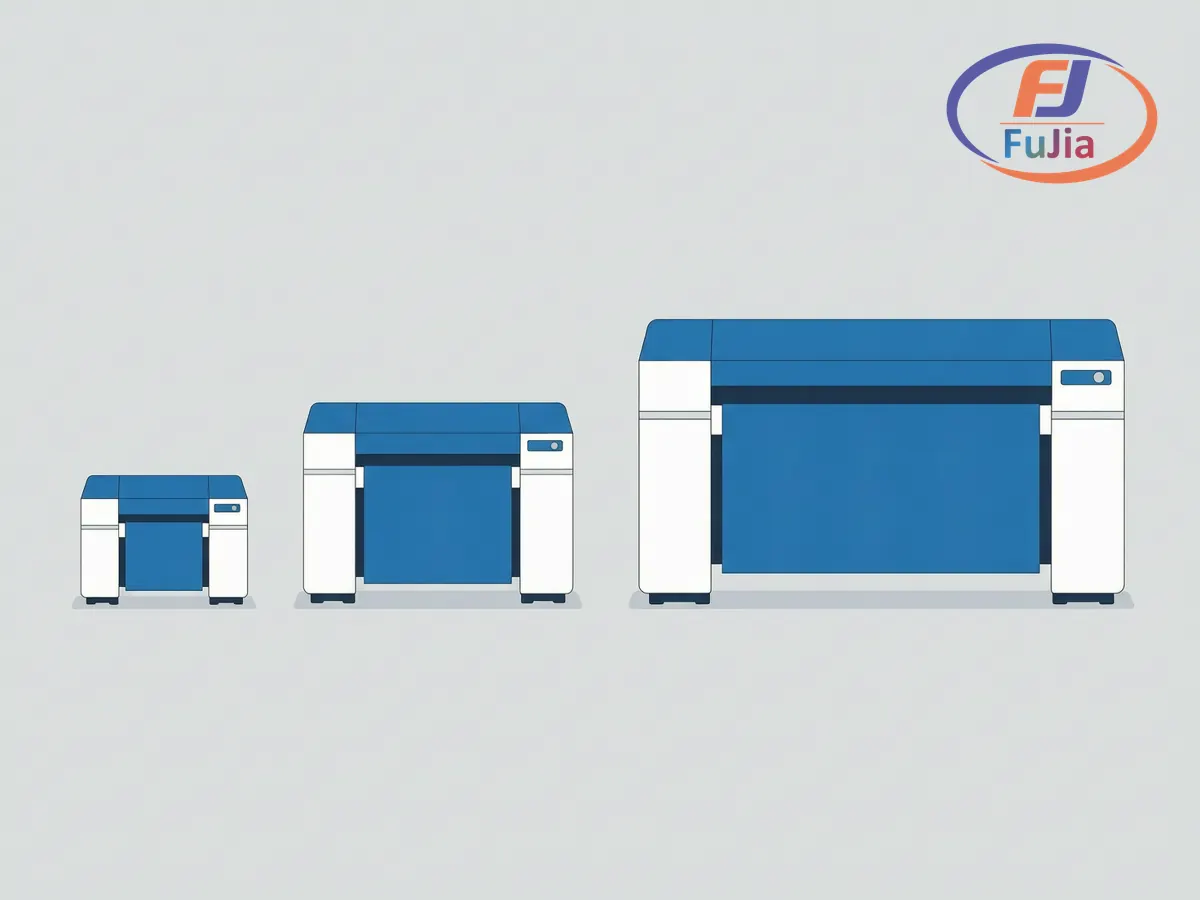
- DTF printers for sale in 2026 fall into four tiers: hobby ($500 to $1,500), desktop A3 ($2,500 to $6,800), production A1 ($8,000 to $30,000), and multi-head industrial lines above that.
- Printhead type drives cost and lifespan more than the brand badge. XP600 and L1800 heads suit low volume, while Epson i3200 heads handle daily production.
- Most first-page results are resellers, not manufacturers, so the same machine can carry a 20 to 40 percent markup.
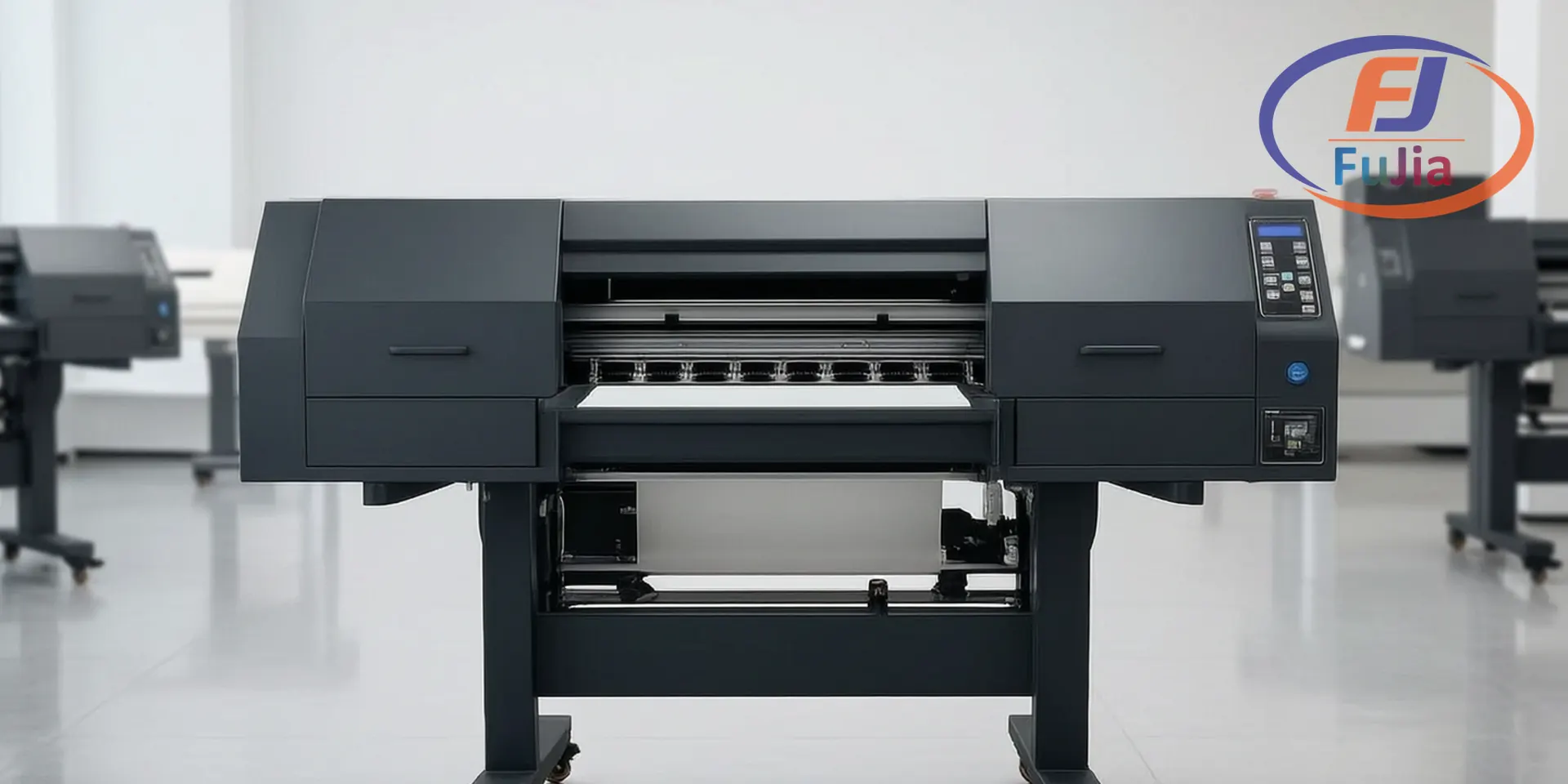
- Fujia Print sells i3200-based DTF printers factory-direct, from A3 desktop to A1 production, with a 1-year warranty and 48-hour parts dispatch.
What a DTF Printer for Sale Actually Costs in 2026
Prices swing widely because “DTF printer” covers everything from a converted desktop unit to a roll-to-roll factory line. Direct-to-film printing prints a design onto PET film, coats it with adhesive powder, cures it, and heat presses it onto fabric, and the machine you need depends entirely on how many transfers you print per day. The table below maps the four tiers you will meet while shopping.
| Tier | Print width | Printhead | Typical price | Best for |
|---|---|---|---|---|
| Hobby | A4 to A3 (8 to 13 in) | Converted L1800 or L805 | $500 to $1,500 | Testing, side projects |
| Desktop A3 | A3 (13 in) | XP600 or dual XP600 | $2,500 to $6,800 | Small shops, low daily runs |
| Production A1 | A1 (24 in) | 1 to 2 Epson i3200 | $8,000 to $18,000 | Full-time production |
| Industrial | A1 and wider | 2 to 4 Epson i3200 | $18,000 to $30,000+ | High-volume factories |
Reseller storefronts such as Procolored and HTVRONT concentrate on the first two tiers, with A3 desktop models like the K13 and F13 priced between $2,500 and $6,800 once an oven or bundle is added. Those units almost always use XP600, L1800, or L800 heads, which are consumer-grade parts. If budget is your first constraint, our guide to a cheap DTF printer and the walkthrough for a DTF printer for beginners explain what you gain and give up at the entry tier. When your order book grows past a few hundred transfers a day, the desktop tier stops keeping up, and the i3200-based production tier becomes the machine worth buying.
Why the Same DTF Printer Costs Different Prices
Two listings for a similar A3 DTF printer can differ by more than $1,000, and the gap rarely reflects better hardware. Three factors explain most of the spread.
First is the supply chain. A reseller buys a machine from a factory, adds a margin of 20 to 40 percent, and ships it from a local warehouse. A manufacturer selling factory-direct skips that layer, so the same specification lands at a lower price. Second is the printhead. An inkjet printhead using piezo technology sets both the print quality and the service life, and an Epson i3200 industrial head costs more than an XP600 because it is built for continuous duty. Third is the bundle. Ovens, shakers, heat presses, and starter ink are often folded into a headline price, which makes a bare printer look expensive next to a padded package.
The practical lesson is to compare the printhead and the print width before the sticker price. A cheaper unit with a consumer head can cost more over two years once you factor in clogging, downtime, and replacement parts.
The Specs That Decide Whether a DTF Printer Is Worth Buying
Five specifications separate a machine that pays for itself from one that becomes a service headache.
The printhead comes first. Piezo heads fire ink through a crystal that flexes under voltage, a process described in the piezoelectricity reference, and industrial i3200 heads tolerate the ink load of daily production far better than desktop parts. Print width comes second, because an A3 unit caps your sheet size while an A1 machine prints gang sheets that cut film waste. The ink circulation system comes third, since white ink settles fast and needs stirring or recirculation to avoid clogs. Integration comes fourth: a printer that ships with a matched shaker and oven runs as one system instead of three parts you bolt together. Support comes last but decides uptime, because a machine is only worth buying if spare heads and parts arrive in days rather than weeks.
DTF sits next to direct-to-garment printing in most shops, and buyers who already run DTG tend to prioritize the same reliability specs when they add a DTF line.
Factory-Direct vs Reseller: The Real Difference
The DTF printers for sale on the first page of Google are almost all reseller collection pages. They stock several brands, mark each one up, and hand support back to the original factory when a head fails. Buying from the manufacturer changes both the price and the accountability.
Fujia Print builds i3200-based DTF printers and sells them factory-direct. The company was founded in 2011, ships around 2,000 machines per year to more than 50 countries, and serves over 500 businesses from a 3,500 square meter facility with a 80-person team. Every machine passes a testing center before shipment, carries a 12-month warranty, and is backed by 48-hour parts dispatch. One apparel client in Turkey reported a 45 percent throughput gain after moving from a desktop unit to a Fujia A1 line. You can see the full production and testing story on the about us page, and the flagship High-Speed A1 DTF Printer shows what the production tier looks like in practice.
If you are weighing an Epson-branded machine against an i3200 unit, the dedicated Epson DTF printer guide compares those two paths in detail.
How to Buy a DTF Printer Without Overpaying
Run every listing through the same short checklist before you pay, and our guide on how to choose a DTF printer supplier expands each point. Confirm the printhead model and count, since that single line item predicts both quality and lifespan. Confirm the true print width rather than the marketing label. Ask whether the price includes the oven, shaker, and starter ink, or whether those add thousands later. Ask where the machine ships from and who handles warranty claims. Finally, ask for the parts dispatch time, because a printer that sits idle waiting for a head erases any purchase savings. A manufacturer that answers all five questions clearly is usually the safer place to buy than a storefront that only shows a price.
How much does a DTF printer cost?
A DTF printer for sale in 2026 ranges from about $500 for a converted desktop unit to more than $30,000 for a multi-head industrial line. Hobby machines built on L1800 or converted EcoTank bodies sit at $500 to $1,500. Desktop A3 printers with XP600 or dual heads run $2,500 to $6,800, which covers most of the reseller listings you will see. Production A1 machines with one or more Epson i3200 heads start near $8,000 and climb past $30,000 as head count and automation rise. The head type and print width move the price far more than the brand name, so compare those two specs first. Buying factory-direct from a manufacturer such as Fujia Print removes the reseller markup that pads many of these quotes.
What is the best printer for DTF transfers?
The best DTF printer is the one matched to your daily volume, not the cheapest or the most expensive. For a few transfers a day, an A3 desktop unit with an XP600 head is enough and keeps the entry cost low. For steady daily production, an Epson i3200 machine in the A1 tier holds up far better because the industrial head is built for continuous ink load and the wider bed prints gang sheets that cut film waste. Avoid a converted EcoTank for anything past hobby use, since it was never engineered for film transport and white ink. A production shop should prioritize printhead grade, ink circulation, and parts support over the headline price, because those three factors decide uptime and cost per print over the life of the machine.
Is it worth it to buy a DTF printer?
Buying a DTF printer is worth it once your in-house volume beats the cost of outsourcing transfers. Print shops that order 200 or more transfers a week usually reach break-even within months, because the cost per transfer drops sharply when you print in-house and control turnaround. Our DTF business startup cost guide breaks down the full first-year numbers. The math improves further when you buy factory-direct, since removing the reseller markup lowers the entry price by hundreds or thousands of dollars. The risk to manage is downtime, so a machine that ships tested and comes with fast parts support protects the investment. For a business that already sells custom apparel, a dedicated DTF printer usually pays for itself faster than continuing to buy finished transfers from a third party.
How profitable is DTF printing?
DTF printing carries strong margins because the material cost per transfer is low relative to the price customers pay for custom apparel. A single A3 transfer often costs a few dollars in film, ink, and powder, while the finished garment sells for many times that. Profit scales with throughput, so a production machine that prints gang sheets on an A1 bed earns more per hour than a desktop A3 unit. The key variables are uptime and ink efficiency, which is why the printhead grade and ink system matter to the bottom line. One Fujia client in Turkey reported a 45 percent throughput gain after upgrading to an A1 line, which shows how machine choice moves profitability, not just print quality.
Conclusion
A DTF printer for sale can mean a $500 hobby unit or a $30,000 industrial line, and the right choice comes down to your daily volume, the printhead grade, and where you buy. Compare the printhead and print width before the price, treat bundles and reseller markups with care, and favor a supplier that ships tested machines with fast parts support. Fujia Print offers that path factory-direct, from A3 desktop to A1 production. Browse the current DTF printer range to match a machine to your volume and budget.
