

A UV flatbed printer in the USA runs $1,799-2,800 at the factory-direct desk tier, $8,000-40,000 through domestic dealers for equivalent and branded hardware, and $18,000-60,000 at wide-format classes, with the buying route, dealer, direct-import, or used, deciding the final number as much as the machine does. The American market carries unique logistics: freight on crated machinery, 110-220V power variants, and a dealer network whose service radius prices real money. This guide prices the tiers in dollars, compares the three routes, and matches each buyer profile to the route that serves it.
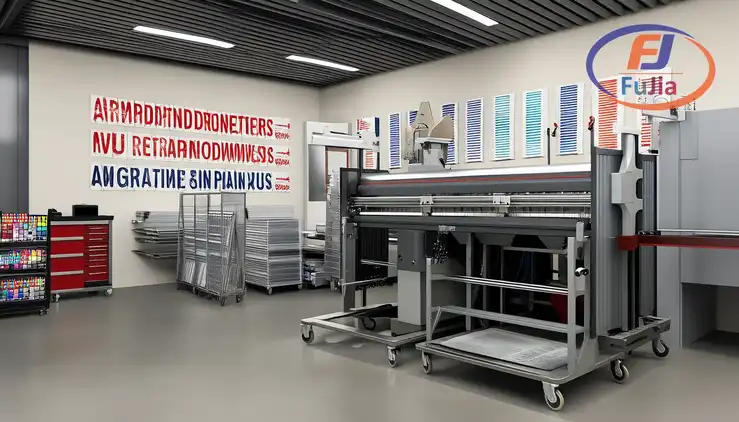
Key Takeaways
- Dollar tiers run $1,799-2,800 desk direct, $8,000-40,000 dealer mid and branded, and $18,000-60,000 wide-format classes.
- Domestic dealers add 40-100% over factory-direct pricing, buying installation, training, and next-day service contracts.
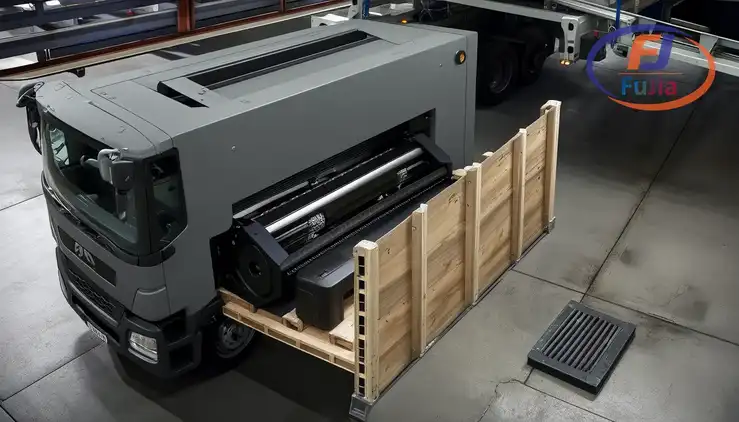
- Direct imports ship crated at 150-500 pounds with freight of $300-800 and need 220V power verification before ordering.
- State sales tax, freight, and lift-gate delivery add $200-600 that sticker shopping omits.
- We recommend dealers for first machines and direct-import for second machines, with used machines reserved for experienced operators.
The Dollar Tiers and What Each Serves
| Tier | Direct price | Dealer price | Throughput | Buyer |
|---|---|---|---|---|
| desk A3 | $1,799-2,800 | $4,000-7,000 | 1-1.5 m2/hour | startups |
| mid twin-head | $3,500-8,000 | $8,000-18,000 | 8-13 m2/hour | sign shops |
| production | $9,000-28,000 | $18,000-40,000 | 20-27 m2/hour | jobbing houses |
| wide-format | $18,000-60,000 | $35,000-90,000 | by class | panel producers |
The tier table prices in dollars, and the two price columns are the same machines at different support levels, which is the whole American market in one line. Factory-direct pricing ships crated hardware with remote support, and dealer pricing wraps the same physics in installation, training, warranty processing, and a service radius that answers deadlines. The tiers themselves track throughput rather than quality, every tier jets and cures identically, and the buyer climbs by volume, per the tier logic our UV printers lineup applies across every market we cover.
American buyers also carry a used-machine market worth noting: domestic shops upgrade and resell, and used desk and mid-tier machines trade at 40-60% of new with heads and history transferring as-is. The used route serves experienced operators the way it does in every market, and its inspection protocol, circulation demo, calibration print, and support probe, is the same five-test discipline our reviews guide prescribes before any deposit.
The Three Buying Routes Compared
| Route | Landed cost | Support | Best for |
|---|---|---|---|
| domestic dealer | 40-100% premium | installation, next-day service | first machine |
| factory-direct import | sticker + freight + tax | remote video, courier parts | second machine, technical buyers |
| used domestic | 40-60% of new | none, self-serve | experienced operators |
The routes table prices the support spectrum, and the dealer premium is the most misunderstood number in the American market: it buys the installation that levels the bed, the training that prevents year-one mistakes, and the service contract whose next-day dispatch answers deadline failures. Factory-direct imports save 40-100% at identical spec and shift every support function to the buyer, working exactly as well for shops with a technician on staff. The used route completes the spectrum at 40-60% of new, with head condition and ink history transferring to whoever can evaluate them, per the same route logic our India market guide applies to rupees.
Freight is the American import line that sticker shopping omits: crated machines ship at 150-500 pounds, freight runs $300-800 domestically and more from overseas ports, and lift-gate delivery plus inside placement adds fees that surprise first-time importers. In our experience the freight quote belongs in the budget before the deposit, because the delivery week is when omitted lines become real. State sales tax applies at dealer purchase, import duty applies at 7.5-10% on direct units, and both belong in the landed number that the purchase decision actually runs on, per the landed-cost discipline our sourcing guides document across categories.
Power, Certification, and the American Shop
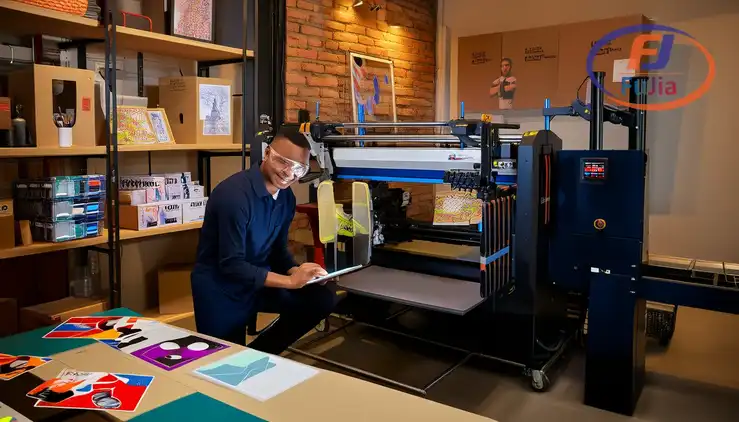
American buyers verify two machine variables before ordering: voltage and certification. US shops run 110V standard and 220V for heavier equipment, and a machine shipped in a 220V-only configuration needs an electrician or a 110V variant confirmed with the factory before the freight books. Voltage confirmed in writing is a five-minute task, and voltage discovered at install is a week’s delay. Certification matters commercially, because electrical listings and safety documentation affect insurance and some commercial leases, and the dealer route carries those documents by default while direct imports should request them.
The shop setup follows the same physics as every market: a stabilizing power condition protects the head board, dust and humidity logged at the machine, and the daily white-ink circulation ritual that keeps the expensive channel alive. American shops additionally enjoy the deepest consumables logistics in the category, with ink and damper shipments arriving in days rather than weeks, and that logistics depth is part of what the dealer premium buys indirectly.
The American consumables advantage in one view:
Matching the Route to the Buyer
| Buyer profile | Right route | Why |
|---|---|---|
| startup, first machine | domestic dealer | training and service earn the premium |
| growing shop, second machine | factory-direct | technician in place, discount real |
| budget operator, experienced | used domestic | inspection skill monetized |
| contract shop, audited | branded dealer | documentation chain required |
The buyer table closes the decision, and its logic is staffing rather than budget: the first machine earns its dealer premium through the mistakes it prevents, the second machine rewards the shop that no longer needs hand-holding, and the used route monetizes inspection skill that some operators genuinely have. The staffing answer is free to determine, and it decides thousands. Contract shops whose clients audit suppliers buy the documentation chain that branded dealers carry, and the same staffing-first logic our logo printer guide applies to branded tiers applies here identically.
We recommend the demo discipline regardless of route: print your own objects, check the circulation pump in person or by video, and collect support terms in writing, because the routes differ in price and the verification is the same. A case we supply anchors the pattern: a Texas sign shop launched on a dealer machine, ran it two years, added a factory-direct second unit at a 60% saving once its technician knew the workflow, and now runs both on the same RIP with the dealer contract covering whichever machine is printing the deadline job, per the escalation patterns our production cases document.
How much does a flatbed UV printer cost?
A flatbed UV printer in the USA costs $1,799-2,800 factory-direct at the desk tier, $8,000-40,000 through dealers for equivalent and branded mid-tier machines, and $18,000-60,000 at wide-format classes, with freight of $300-800, sales tax or import duty, and lift-gate fees adding $200-600 that sticker shopping omits. Dealer pricing wraps the same physics in installation and service contracts, and the premium runs 40-100% over direct. The dollar ladder tracks throughput rather than print quality, and the landed number is the number the decision runs on.
What is the best flatbed UV printer?
The best flatbed UV printer in the USA is the tier and route matched to your staffing: dealers for first machines and audited contracts, factory-direct for second machines with technicians, and the used market for experienced operators, verified by white-ink circulation in person, a demo on your own objects, and support terms in writing. The tiers track volume from desk $1,799-2,800 through production $9,000-28,000, and every tier prints identically sharp per object. In our experience the staffing answer chooses the route, and the route chooses the machine more reliably than any ranking.
How much does a UV print machine cost?
A UV print machine costs $1,799-2,800 desk, $3,500-8,000 mid twin-head, and $9,000-28,000 production in factory-direct dollars, with dealer equivalents at $4,000-40,000 and wide-format classes at $18,000-90,000 depending on route. Running costs hold at $0.10-0.50 in ink per object across tiers. Consumables logistics in the USA are the category’s deepest, with parts arriving in days rather than the weeks other markets wait. The financing math runs $55-720 monthly by tier over 36 months, serviceable at the margins the object canon carries, and the full ladder sits in our flatbed pricing guide.
What is the best UV printer for small business?
The best UV printer for small business is the desk tier at $1,799-2,800 direct or $4,000-7,000 through a dealer, chosen by whether the business staffs its own maintenance: technicians buy direct and reinvest the difference, while supported buyers pay the dealer premium for installation and next-day service that protects launch deadlines. The desk tier serves the personalization canon of cases, awards, signs, and decor at 30 objects daily, and its canon grows through fixtures before it needs a bigger bed. That said, the best small-business printer is the one whose orders already exist, and the demo on your own products confirms the fit before the deposit.
Verdict
The UV flatbed printer market in the USA prices the same physics three ways: factory-direct at $1,799-60,000 by tier, dealer-supported at 40-100% premiums, and used at 40-60% of new, with freight, tax, and certification as the American lines the sticker omits. Buy the dealer route for the first machine, import direct at the second, reserve the used market for inspection skills, and verify voltage and support terms in writing either way. The dollar arithmetic is honest once landed cost replaces sticker, and the staffing answer picks the route. For factory-direct pricing on your object canon with US-bound logistics quoted, contact Fujia Print with your business plan.
Sources
- Wikipedia: UV curing: LED ink chemistry.
- US CBP import duty reference: duty context.
- AATCC: durability testing standards.
- Fujia Print signage cases: shop production examples.
