

Sublim ink, shorthand for sublimation ink, is the disperse dye that turns to gas near 200°C and bonds permanently with polyester, sold in 2026 as sealed cartridges from Sawgrass, Epson, and Brother or bottled CISS supply from brands like Printers Jack and InkOwl. The right system tracks your printer and volume: cartridges buy profiled consistency, bottled ink buys cost per milliliter. This guide compares both with real prices, matches inks to printer models, and covers storage habits that keep colors dense.
Key Takeaways
- Sublimation ink is disperse dye suspended in carrier fluid; it bonds only with polyester, which is why it doubles as the reason untreated cotton fails.
- Two systems dominate: sealed cartridges (Sawgrass SubliJet UHD, Epson official 4-packs, Brother SP1) and bottled ink for converted CISS printers (Printers Jack, InkOwl, and factory brands like Fujia’s own SUI-STD).
- Cartridge systems cost more per milliliter but ship with tuned ICC profiles and warranty protection; bottled ink runs cheaper and suits converted Ecotank and C88+ workflows.
- Converted printer ink carries real risk: wrong formulations clog heads, and converting a new printer typically voids its manufacturer warranty.
- Ink ages: sealed and stored away from light, most sublimation ink holds density for 12-24 months, and faded prints usually trace back to old ink before they trace back to the printer.
What Is Sublim Ink?
Sublim ink is the shorthand buyers type for sublimation ink, a suspension of disperse dye particles engineered to convert from solid to gas without passing through liquid when heated to transfer temperature. The gas-phase dye penetrates polyester’s polymer structure and locks in as it cools, which is why sublimation prints cannot crack, peel, or wash away the way surface-applied inks eventually do; the dye is inside the fiber, not on it. The same chemistry explains the technology’s limits: with no polyester present there is nothing to bond, so sublim ink only works on polyester-rich surfaces and polymer-coated blanks.
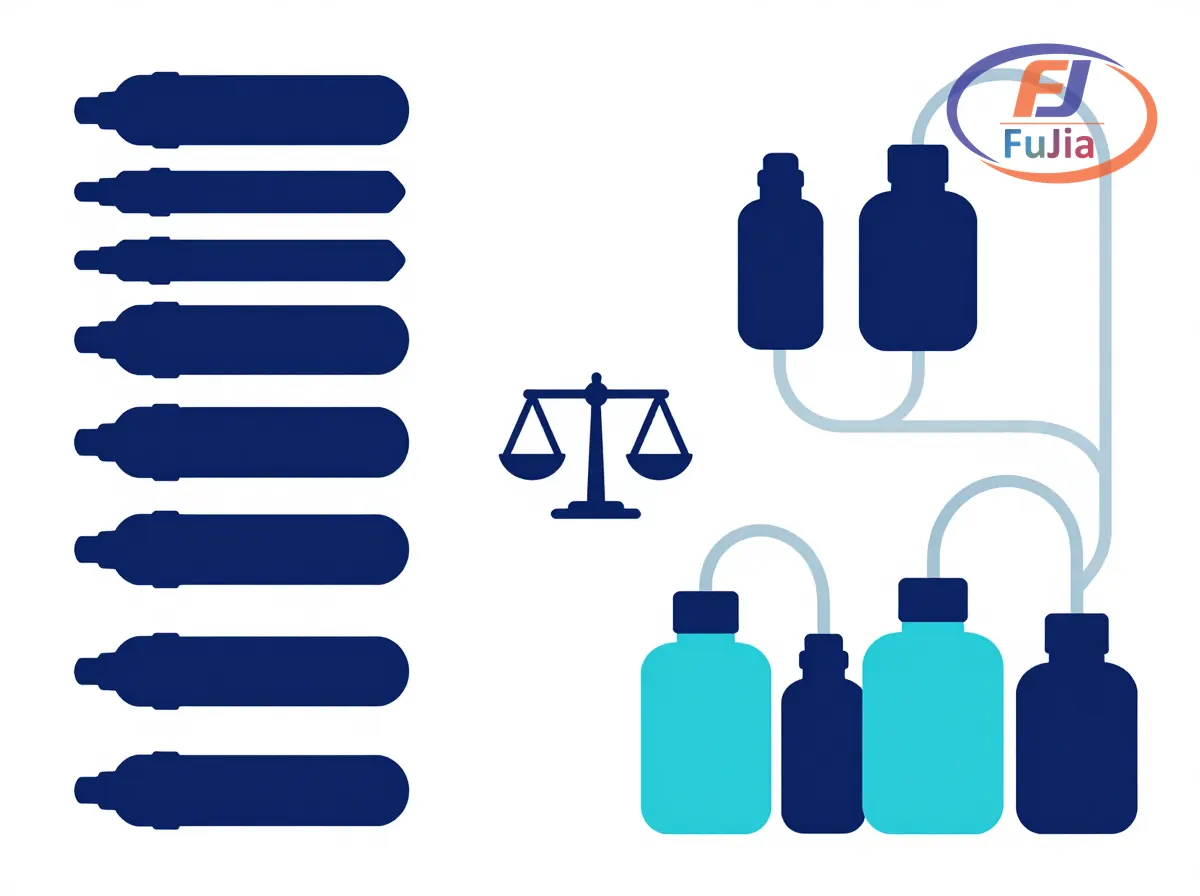
Two delivery systems carry this ink to printers. Sealed cartridge systems, led by Sawgrass SubliJet UHD for its own SG-series printers and official packs from Epson and Brother, ship tuned formulations with matching ICC profiles so out-of-box color is close to correct. Bottled systems feed converted printers through continuous ink supply, where brands like Printers Jack and InkOwl sell sublimation formulations in 100-400 ml bottles at a fraction of cartridge pricing, and factory brands like Fujia supply their own SUI-STD formulation matched to their machines’ color pipelines. The chemistry across all of these is the same family; the differences are consistency control, color profiling, and cost structure.
Here’s the thing most listing pages skip: one boundary matters before any purchase decision, sublim ink is not general-purpose ink. It will not produce durable results on paper for document printing, it will not bond to cotton, and running it through a printer shared with ordinary dye or pigment ink invites cross-contamination that no amount of cleaning fully reverses. Dedicated hardware is part of the ink’s real price.
Sublim Ink Systems: Cartridges vs Bottled CISS
The two systems solve different buyer problems, and the comparison runs on consistency, cost, and risk rather than raw quality, because well-made ink from either system produces comparable color on a correctly profiled printer.
| Factor | Sealed cartridges (Sawgrass/Epson/Brother) | Bottled CISS (Printers Jack/InkOwl/factory brands) |
|---|---|---|
| Color consistency | factory ICC profiles, minimal tuning | requires custom profiling for best results |
| Cost per ml | highest | lowest (bulk 100-400 ml bottles) |
| Printer compatibility | dedicated printers only | converted Ecotank, C88+, wide-format Epson |
| Warranty exposure | none, supported ecosystem | converting usually voids printer warranty |
| Clogging risk | lowest, filtered and degassed | moderate, batch-dependent |
| Best for | color-critical retail work, beginners | volume shops on converted hardware |
Cartridges earn their premium where color must be right without tuning. Sawgrass’s ecosystem pairs its SubliJet UHD ink with dedicated SG500 and SG1000 printers and ships profiles that make out-of-box color close to final, which is why craft sellers and photo-heavy work gravitate there despite the per-ml cost. Bottled ink earns its place where volume dominates: a shop running converted Ecotank hardware consumes ink by the liter, and a 400 ml bottle of Printers Jack at Walmart pricing covers weeks of production, and at bottle pricing the same coverage costs a fraction of cartridge rates, often 30-50 % less per ml, with the trade that someone on staff owns ICC profiling and nozzle health.
Factory-branded bottled ink sits between the poles and is the option most buyers never see. Fujia’s SUI-STD sublimation ink, part of the consumables lineup, is formulated in-house for its own sublimation printers’ color pipelines, which means the profile work is done at the factory rather than left to the buyer, and supply ships with the same logistics as the machines; production buyers get cartridge-style consistency at bottled pricing because the profile problem is solved upstream.
Sublim Ink Prices in 2026
Real channel prices in 2026 show the spread between systems clearly, and every figure below is a listed retail price from named sellers rather than a range pulled from memory.
| Ink system | Format | Street price (2026) | Seller examples |
|---|---|---|---|
| Sawgrass SubliJet UHD | cartridge set, SG500/SG1000 | premium tier, per-cartridge pricing | Heat Press Nation, USCutter |
| Epson official sublimation | 4-pack, F170/F570 Pro | mid-tier official | MakerFlo |
| Brother SP1 | refill cartridge | mid-tier official | Michaels, Brother USA |
| Printers Jack | 400 ml bottles, Epson C88+ | budget bottled | Walmart |
| InkOwl Performance Ultra | 8×120 ml, wide-format Epson | budget bulk | InkOwl |
| Fujia SUI-STD | bottled, machine-matched | factory-direct | ships with Fujia printers |
The cost-per-coverage comparison is where bottled systems justify their risk profile. Cartridge systems price convenience and consistency into every milliliter, and a high-volume shop can spend more on ink in a quarter than the converted printer hardware costs; bottled ink at bulk pricing cuts that line dramatically, which is why production shops running converted Ecotank or wide-format Epson hardware almost universally run bottled supply. One mug brand we supplied scaled from 15 single-color products to more than 60 full-color SKUs shipping over 5,000 pieces monthly at a 70% margin, and ink cost control was part of that margin structure; at their volume, cartridge pricing would have consumed the difference.
How to Choose Ink for Your Printer Model
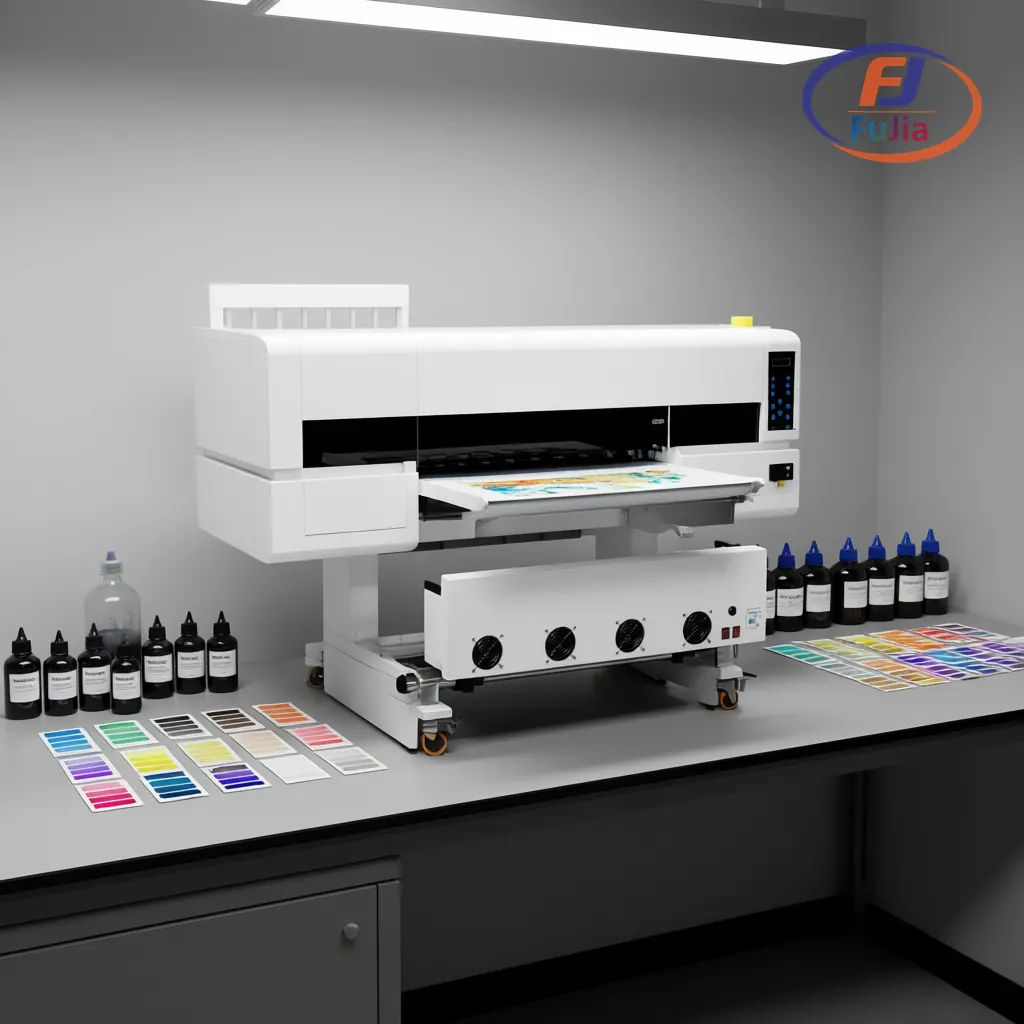
Printer model is the first filter, because sublim ink formulations and delivery formats are machine-specific. Sawgrass ink only runs in Sawgrass printers; Epson’s official sublimation packs target the F170 and F570; Brother’s SP1 belongs to its sublimation line; and the converted-printer world, Ecotank tanks, the C88+, and wide-format Epson models, runs bottled third-party ink matched to head generation. Google Suggest data shows buyers searching by exact model, sublim ink for Epson 2800, for Ecotank, for L130, and that habit is correct: ink matched to the wrong head generation is the leading cause of nozzle trouble in converted machines.
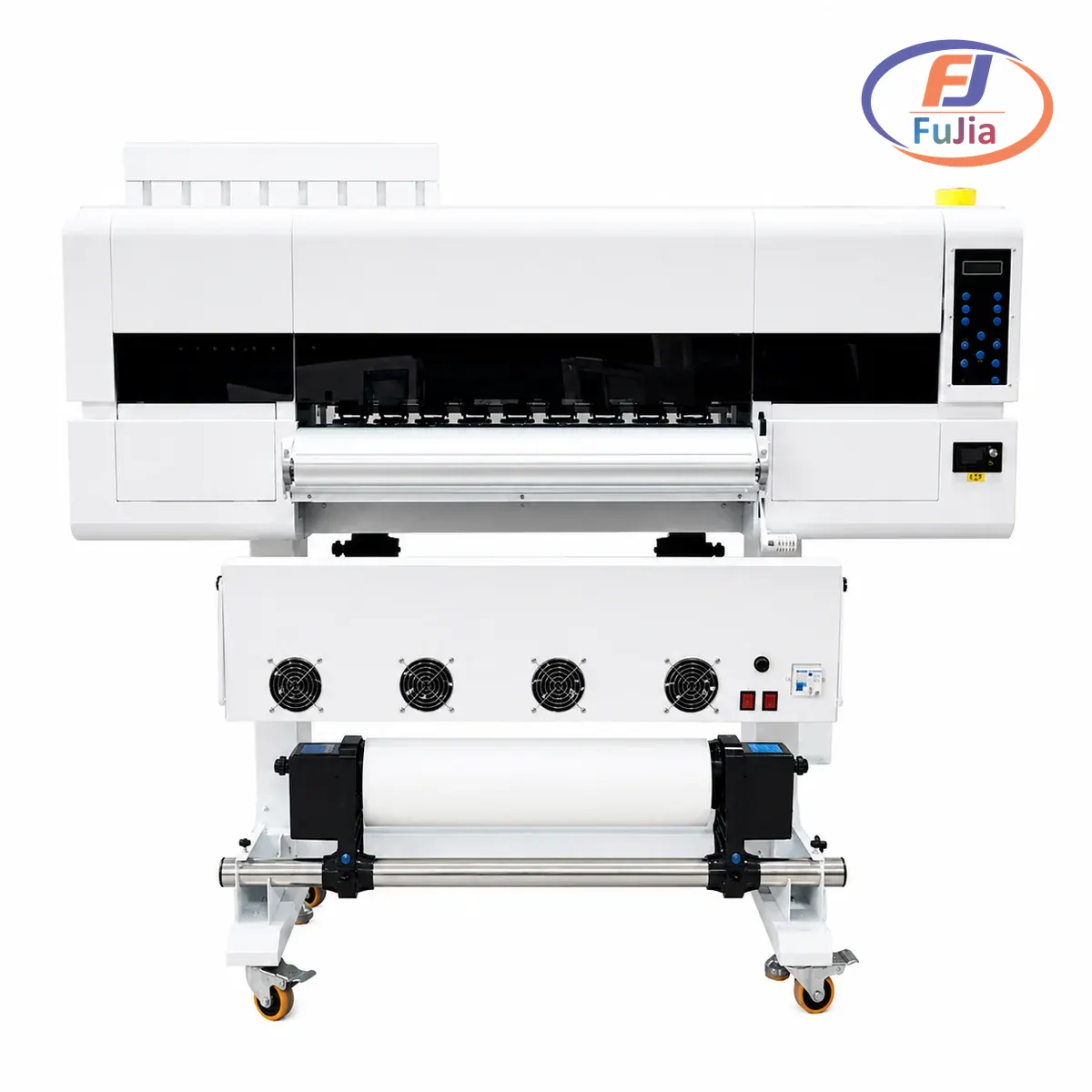
The converted-printer path carries two risks worth pricing in. Warranty risk comes first: filling a new Ecotank with third-party sublim ink converts the hardware, and manufacturers treat that as voiding coverage, which is why the standard advice is to dedicate a used or cheap printer to sublimation rather than sacrifice a new one. Clogging risk comes second: sublimation dye dries quickly and settles, so a converted printer that sits idle for weeks can clog, and recovery consumes cleaning fluid and patience. Production environments solve both risks differently by running matched ink from the machine maker: Fujia ships SUI-STD with its own sublimation printers, so the profile and chemistry are factory-tuned together and support covers the combination. Based on data from our customers across 50+ countries, matched ink is the single biggest reducer of first-month color complaints.
Volume and color demands close the decision. Craft and photo sellers should pay the cartridge premium for profiled out-of-box color; production shops above a few hundred prints weekly should run bottled supply with a custom profile and regular nozzle checks; and mixed shops can run both, cartridges for color-critical retail pieces and bottled ink for high-volume blanks where slight variance disappears into the design.
Storage, Shelf Life & Common Problems
Ink ages, and most faded-print complaints trace to old supply before they trace to hardware. Stored sealed, away from light, and at room temperature, sublimation ink typically holds density for 12-24 months; opened bottles age faster as air and dust enter, so decanting into smaller working containers protects the bulk stock. Frozen or overheated ink can permanently shift color, which is why shipping in extreme weather deserves a note to the seller.
Clogging and color shift are the two working problems, and both have mechanical first responses: nozzle check sheets reveal clogs early and routine cleaning cycles recover most, while a printer idle for more than a week gets a purge cycle before production because settled dye prints as banding before it prints as nothing. Color shift across bottled batches is the other reality, which is why production shops re-verify their ICC profile with every new batch.
We recommend dating every bottle on arrival and running oldest stock first; the habit costs nothing and prevents most ink problems. Buy from sellers with turnover, because shelf-aged supply prints muted no matter how good the brand is. Ink is the cheapest component in a sublimation workflow and the one that quietly invalidates every other component when it degrades.
What are the disadvantages of using sublimation ink?
Four disadvantages matter when choosing it. First, substrate limits: sublim ink bonds only with polyester, so it cannot decorate cotton, dark fabrics, or uncoated hard goods without workaround layers. Second, hardware dedication: the ink is unusable for ordinary document printing, and converting a printer to sublimation typically voids the manufacturer’s warranty, which is why dedicated or secondhand hardware is the standard advice. Third, maintenance sensitivity: disperse dye dries and settles quickly, so idle periods cause clogs that consume cleaning cycles and, in bad cases, heads. Fourth, color management: bottled ink without factory profiles produces inconsistent color until someone builds and maintains an ICC profile, and batch-to-batch variance makes that an ongoing task rather than a one-time setup. None of these are dealbreakers for a production shop, but craft buyers expecting drop-in simplicity should budget for the full system, ink plus dedicated printer plus profile time.
Can sublimation ink go in any printer?
No, and putting it in the wrong printer wastes both the ink and the hardware. Sublim ink runs only in inkjet print heads, never laser printers, and within inkjet it requires dedicated or converted hardware: dedicated machines like the Sawgrass SG series, Epson’s F170/F570, and Brother’s sublimation line ship with matched ink ecosystems, while converted Epson Ecotank, C88+, and wide-format models run third-party bottled sublim ink through CISS or refilled tanks. Filling a printer that shares use with ordinary dye or pigment ink causes cross-contamination that cleaning cannot fully reverse, and converting a new printer generally voids its warranty. The safe sequence is to dedicate one inkjet printer to sublimation permanently, match the ink to that head generation, and leave general printing to a separate device.
Which ink is best for sublimation?
The best sublim ink is the one matched to your printer hardware and volume. Sawgrass SubliJet UHD is the benchmark for dedicated printers, delivering tuned color out of the box at cartridge pricing that suits color-critical and craft-scale work. Epson’s official 4-pack for the F170/F570 and Brother’s SP1 serve the same profiled-consistency role inside their own ecosystems. For converted Ecotank, C88+, and wide-format Epson hardware, bottled formulations from Printers Jack and InkOwl deliver reliable density at a fraction of cartridge cost, with the caveat that someone owns ICC profiling and nozzle maintenance. Factory-matched supply is the production answer: Fujia’s SUI-STD ink ships formulated for its own sublimation printers, so color pipeline tuning happens at the factory. Judge any ink by washed-output density after 10 cycles, not by wet prints on paper.
Where can I buy sublimation ink?
Sublim ink is available through four channel types, each fitting a different buyer. Craft and dedicated-printer owners buy cartridge systems from specialty retailers such as Heat Press Nation and USCutter for Sawgrass, or MakerFlo for Epson official packs; big-box channels including Walmart and Michaels stock budget bottled ink like Printers Jack and Brother SP1 refills for converted machines; direct-from-manufacturer stores like InkOwl serve wide-format converted systems with bulk formats such as 8×120 ml sets; and production buyers source factory-matched ink with their equipment, as Fujia ships SUI-STD ink alongside its sublimation printers so the color pipeline arrives tuned. Wherever you buy, check the formulation matches your exact printer model, confirm stock turnover dates, and avoid marketplace listings with no brand identity, since misformulated dye is the most common cause of head trouble in converted printers.
Verdict
Sublim ink buying is a two-system decision, and the 2026 market prices the trade cleanly: Sawgrass, Epson, and Brother cartridges buy profiled consistency and warranty safety for color-critical work, while Printers Jack, InkOwl, and factory brands like Fujia’s SUI-STD buy cost-per-milliliter for converted production hardware. Match ink to your exact printer model, dedicate the hardware, store it sealed and dated, and judge every option by washed-output density rather than wet paper prints. For production buyers pairing ink with equipment, our consumables lineup ships factory-matched ink with printers tuned to it, and our sublimation printer vs inkjet guide covers the hardware side of the same decision.
Sources
- Wikipedia: Dye-sublimation printing: process chemistry behind disperse dye sublimation referenced in the mechanism section.
- Wikipedia: Ink: general ink composition background for the formulation discussion.
- OEKO-TEX ECO PASSPORT: certification standard for textile chemical safety referenced in ink quality criteria.
