

A printing business equipment list is a sequence rather than a shopping cart, and the sequence runs from a $2,500 starter kit that serves one product line well to $50,000 multi-process shops that quote across every category, with each stage bought by orders already in hand rather than by ambition. The equipment fails businesses in two directions, bought too early and idle, or bought too late and turning work away, and this list exists to time the purchases between those failures. This guide prices the starter kit, the growth stages, and the forgotten consumables lines that every real budget carries.
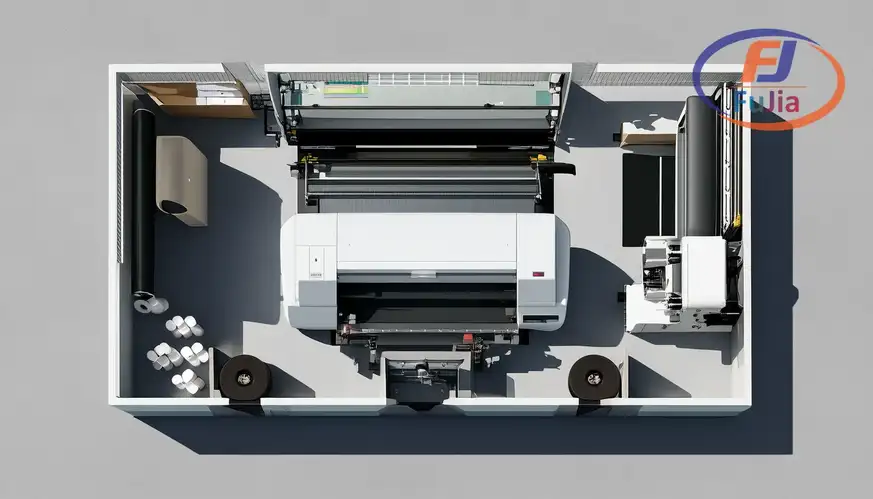
Key Takeaways
- The starter kit runs $2,500-5,000: one printer, one heat press, and blanks, serving a single product line profitably.
- Growth stages add processes at $3,000-15,000 each, DTF, sublimation, UV flatbed, bought when orders prove the process.
- The forgotten lines are consumables stock, power protection, and software RIP profiles, adding $500-2,000 every real budget carries.
- The buy order is orders first, printer second, and everything else third, and the list is a sequence rather than a cart.
- We recommend one product line done excellently at launch, with each new process bought by its own signed demand.
The Starter Kit: One Line Done Well
| Item | Price band | Serves |
|---|---|---|
| DTF printer + shaker | $3,000-6,000 | full-color tees, any fabric |
| heat press 38×38 cm | $200-400 | every transfer product |
| blanks stock | $200-500 | first orders |
| power protection | $30-80 | the warranty |
| starter consumables | $300-600 | first production |
Here’s the thing about starter tables: they price the single-line launch, and the DTF row is the modern default because full color on any fabric covers the widest order book a startup meets: tees, hoodies, totes, and workwear all press from one workflow. A sublimation variant at $1,500-4,000 serves poly-based products instead, and a vinyl cutter variant at $300-1,000 serves names and single-color work, with the starter logic identical across the three: one process, one press, and blanks. Total entries land at $2,500-5,000 in the modern configuration, and the kit prints sellable product the week it arrives, per the startup logic our DTF printers lineup documents across processes.
The one-line discipline is the starter kit’s hidden advantage, because a shop that perfects tees learns pretreat, curing, and fulfillment before adding complexity, and its first hundred orders are production practice that a multi-process launch would charge for. We recommend resisting the multi-process bundle at launch, because every bundled process is a second learning curve, and the same one-line-first logic our sign shop guide applies to printers applies to whole shops.
The Growth Stages and Their Triggers
| Stage | Add | Cost | Trigger |
|---|---|---|---|
| stage 1 | one printer + press | $2,500-5,000 | launch |
| stage 2 | second process | $3,000-15,000 | 50%+ capacity utilization |
| stage 3 | UV flatbed | $4,000-15,000 | rigid orders recurring |
| stage 4 | production upgrades | $8,000-30,000 | daily volume at limits |
The growth table times each addition, and the trigger column is the discipline that keeps the list a sequence: a second process joins when the first runs at half capacity or turns work away, a UV flatbed joins when rigid orders recur monthly rather than occasionally, and production upgrades follow daily volume at the machine’s limits. Shops that add by trigger grow into their equipment, and shops that add by showroom grow into debt, per the trigger logic our printer guides apply to every purchase decision. Write the trigger down at purchase time, because utilization feels higher in the showroom than it reads on the invoice.
Each stage also carries its own learning curve, and the sequence spaces those curves rather than stacking them: the shop that learned DTF in stage one integrates sublimation in stage two with its production rhythm intact, while the shop that bought both at launch learned neither deeply. The stage structure is the difference between a business that scales and a showroom that waits, and the same staged logic our guides apply to every capital purchase runs the whole list. Learning curves are cheap one at a time, and ruinous in a bundle.
The Forgotten Lines Every Budget Carries
| Forgotten line | Cost | Why it is forgotten |
|---|---|---|
| consumables stock | $300-800 | invisible until first production week |
| power protection | $30-150 | assumes wall power is clean |
| RIP and software | $0-500 | bundled demos expire |
| fixtures and tape | $100-300 | craft-store afterthought |
| shipping supplies | $100-300 | fulfillment is a product |
The forgotten table adds the $500-2,000 that every working budget carries beyond the machines, and each line earns its place in week one. Consumables stock is the line that stops production first, because ink, film, powder, and blanks run out exactly when orders run hot, and the stock discipline our consumables guides document at every scale starts here. Power protection guards the head that costs more than the line, software beyond the demo keeps color consistent, fixtures extend the machine’s canon, and shipping supplies turn finished prints into deliverable orders. None of the lines is glamorous, and all of them are why real budgets run 20% over machine math.
The forgotten lines are also the reason starter kits underprice reality, and the honest list prices the working business rather than the unboxing day. We recommend adding 20% to any equipment quote as the working-business line, because the percentage is remarkably stable across processes, and the same true-cost arithmetic our cheap printer guide applies to hidden lines runs at shop scale here.
The Buy Order and the Orders Behind It
| Buy order | Rule | Failure it prevents |
|---|---|---|
| 1 | orders first | idle equipment |
| 2 | printer second | fulfilled promises, no machine |
| 3 | press and consumables with the printer | week-one stall |
| 4 | next process by trigger | stacked learning curves |
| 5 | upgrades by volume limits | premature debt |
The order table is the list’s discipline, and it inverts showroom logic on purpose: the order book is researched before the machine is bought, the machine is bought when orders demand capacity, and every subsequent purchase carries its own trigger. A printing business that follows the sequence owns its equipment, and a business that reverses the sequence is owned by it, which is the pattern every failed equipment-heavy launch shares. The buy order is free advice, and it is the most valuable line in this guide, and in our experience it is the line that separates working shops from equipment collections. We recommend laminating it, because the sequence is only as good as the discipline that reads it.
Financing enters the sequence at stage three rather than at launch, because the early stages are cash-accessible at $2,500-15,000 and the later stages justify payments against proven volume. The shops that cash-fund their early stages and finance their later ones compound their own margin, and the shops that finance stage one pay interest on their learning curve, per the bootstrap patterns our startup cases document.
A startup case we supply anchors the sequence: a decorator launching with a $4,800 DTF kit, running 12 months of tee and hoodie orders to capacity, adding a UV flatbed at stage three when rigid awards recurred monthly, and reaching a three-process shop inside two years without debt, with each process bought by orders that had already paid for the previous one. The sequence is unglamorous, and the compound growth it produces is the reason the list is a sequence rather than a cart, per the staged-growth cases our business guides document.
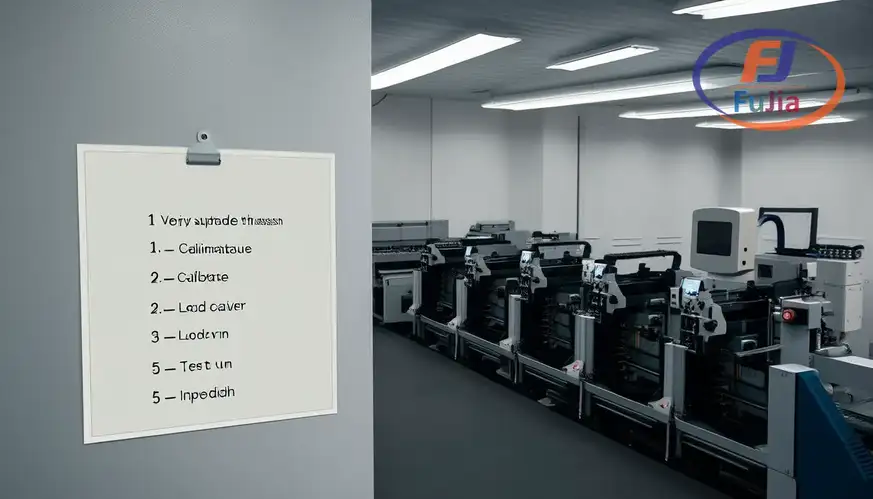
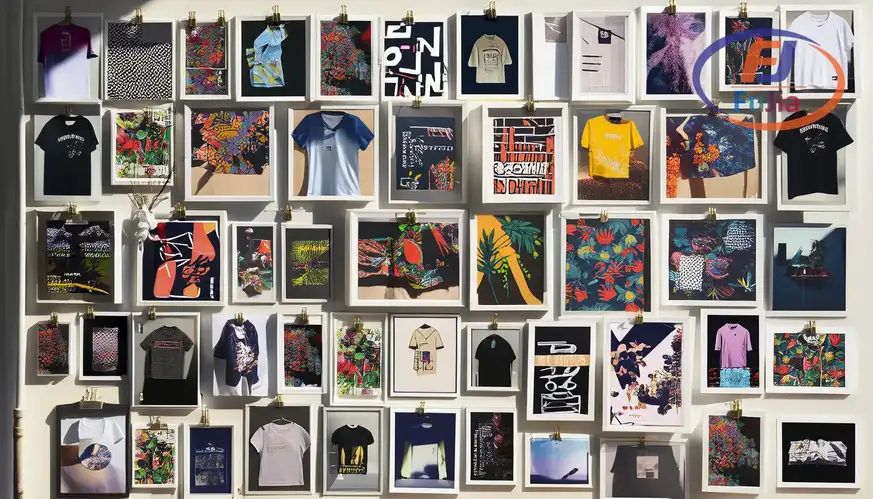
The staged shop in one view:
What equipment is needed for a printing business?
A printing business needs a starter kit of one production process and its support: a DTF printer and shaker at $3,000-6,000, or a sublimation setup at $1,500-4,000, or a vinyl cutter at $300-1,000, paired with a heat press at $200-400, blanks stock, power protection, and starter consumables. Total entries land at $2,500-5,000. Growth stages add processes at $3,000-15,000 each when the first process hits 50% capacity, and the forgotten lines of consumables, software, fixtures, and shipping supplies add $500-2,000 to every real budget. The list is a sequence bought by orders, and the starter kit is one product line done excellently rather than many done shallowly.
What sells best on print on demand?
Print-on-demand sales concentrate in personalized and niche-identity products: custom pet portraits, family-name decor, hobby and profession tees, bachelorette and event merchandise, and seasonal niche designs. The common thread is designs that mass retail cannot stock, because the buyer defines them. The best sellers share three traits: emotional purchase rather than utility, personalization the buyer cannot find elsewhere, and evergreen niches with recurring gifting occasions. POD sellers route finished designs through third-party printers, while decorators running their own equipment sell the same niches at better margins. The niche is the business, and the printing serves it, through the equipment list this guide sequences.
How much does it cost to start a printing business?
Starting a printing business costs $2,500-5,000 at the single-process stage, covering one DTF or sublimation or vinyl system, a heat press, blanks, protection, and consumables, with growth stages adding $3,000-15,000 per process as utilization triggers them, and multi-process shops reaching $30,000-50,000 over two or more years of staged buying. The honest budget adds 20% beyond machine math for the forgotten lines every working shop carries. Cash funds the early stages, financing enters at stage three against proven volume, and the staged sequence is what keeps the entry genuinely small. The cost is small, and the order book is what makes it a business, which is the sentence this entire list exists to support.
Is a printing business profitable?
A printing business is profitable when it runs one process at high utilization with $12-25 per-piece margins, because a $4,800 starter kit breaking even inside 200-400 pieces leaves margin that compounds into staged growth without debt. Profitability concentrates in niches with recurring demand, schools, teams, events, local business merchandising, rather than in general custom work, and the shops that niche deeply build design libraries that compound. The profit killers are equipment bought ahead of orders and processes stacked before the first was mastered, both of which the buy-order table prevents. In our experience the staged shops reach three-process profitability inside two years, and the profitability is a sequence the buyer walks rather than a number the brochure prints. Walk the sequence, and the brochure becomes a receipt.
Verdict
The printing business equipment list is a sequence of one process done excellently, staged additions bought by utilization triggers, and the forgotten consumable lines every real budget carries: $2,500-5,000 launches a DTF or sublimation or vinyl line, growth stages add processes at $3,000-15,000 by trigger, and multi-process shops assemble over years of proven demand. Orders first, printer second, everything else third, and 20% over any quote for the lines that week one actually uses. The sequence is the business plan, and the equipment is just its hardware. To build your equipment sequence around the product line you intend to run, contact Fujia Print with your business plan.
Sources
- Wikipedia: Heat transfer printing: process context.
- Wikipedia: Direct-to-garment printing: DTG process.
- AATCC: wash durability standards.
- Fujia Print apparel cases: startup program examples.
