

A commercial UV flatbed printer is the class above desk machines, running $9,000-45,000 across 6090 production beds and wide-format classes, engineered for duty cycles that print daily rather than occasionally, and the commercial grade is a duty-cycle claim before it is a size claim. The buyer searching this category has outgrown the desk tier or is sizing a new shop, and the purchase decision runs on utilization, not on spec sheets. This guide defines what commercial grade means, prices the tiers, and matches the machine to the shop it will actually run in.
Key Takeaways
- Commercial grade means 6090 production beds at $9,000-28,000 and wide-format classes at $18,000-45,000, built for daily duty cycles.
- The throughput ladder runs 8-13 m2/hour at mid twin-heads to 20-27 m2/hour at production gantries, priced per m2 of capacity.
- Duty-cycle specs, daily hours, batch sizes, and multi-job scheduling, are the commercial claims to verify on a demo day.
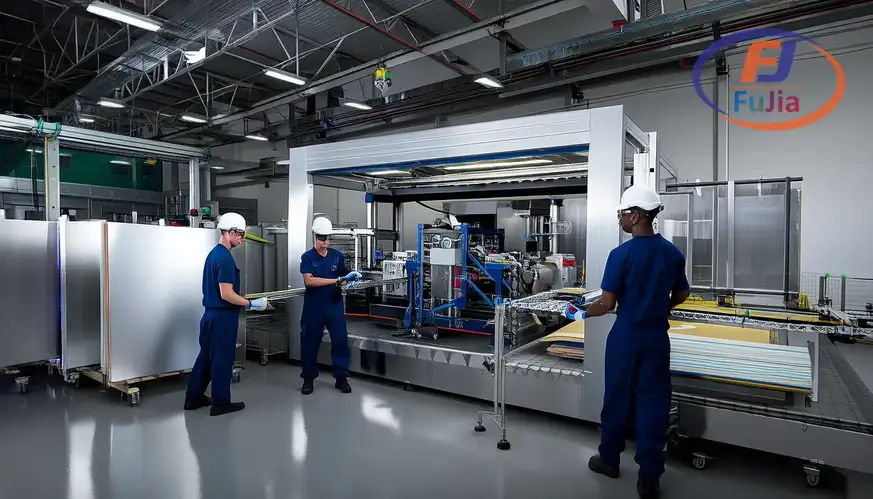
- The shop fit covers power, floor, ventilation, and workflow space that production machines demand beyond desk requirements.
- We recommend the 6090 class for shops crossing 30 objects daily, and the wide classes when panel work enters the order book.
What Commercial Grade Actually Means
| Claim | Desk reality | Commercial reality |
|---|---|---|
| duty cycle | hours per week | 8+ hours daily |
| frame | lighter extrusion | industrial chassis |
| ink system | desktop CISS | pressurized, circulation |
| service expectation | courier parts | dispatch or exchange |
The claim table defines the grade, and the duty-cycle row is its core: commercial machines are engineered to print every working day at production pace, with chassis, ink systems, and service expectations built for that schedule rather than adapted to it. Desk machines print commercially too, and their engineering prices a lighter schedule, so the commercial grade is honest engineering rather than marketing, and the price difference buys the schedule. Buyers matching duty cycles to machines avoid both failure directions, the desk machine run to death and the commercial machine run idle, per the duty-cycle logic our wide format guide applies across large classes.
That said, the commercial claim also carries consumables logistics: production schedules drain ink daily, and the ink supply chain that restocks in days rather than weeks is part of the commercial grade’s operating reality. Shops verify that supply chain at purchase, because a commercial press with craft-tier logistics prints a commercial schedule at hobby speed, and the same logistics check our signage display production guides prescribe for every commercial fleet applies here.
The Production Tiers and Their Prices
| Tier | Bed | Price | Throughput | Buyer |
|---|---|---|---|---|
| 6090 production | 60×90 cm | $9,000-28,000 | 20-27 m2/hour | jobbing shops |
| wide-format | 1.2-1.6 m | $18,000-35,000 | 15-30 m2/hour | panel and sign shops |
| wide grand | 2-2.5 m | $35,000-45,000 | by class | panel producers |
The tier table prices the commercial classes, and the 6090 row is the commercial entry: a 60×90 cm production bed with twin heads and servo motion at $9,000-28,000, serving jobbing shops whose daily object volume outgrew desk capacity. The wide classes add panel and sheet work to the commercial canon, and their prices track width and motion class as our wide format guide details. Twin-head throughput at 8-13 m2/hour serves sign shops at commercial deadlines, and production gantries at 20-27 serve jobbing houses, with the tier chosen by daily volume rather than by showroom comparison, per the tier logic our flatbed pricing guide applies across the market.
In our experience motion class matters doubly at commercial duty: belt-driven frames drift under daily schedules in year three, servo gantries hold tolerance through them, and the commercial buyer’s year-three print quality is a motion-system decision made at purchase. We recommend servo motion wherever the commercial claim is real, and the same motion discipline our pricing guides apply at every class applies here with duty-cycle force.
Duty Cycle: The Spec Behind the Spec
| Duty question | Desk answer | Commercial answer |
|---|---|---|
| daily hours | 1-3 | 8-plus |
| batch sizes | single objects | nesting runs |
| scheduling | when orders come | production calendar |
| maintenance load | weekly | daily ritual |
The duty table is the questions that separate the grades, and the answers a shop gives honestly size its commercial purchase. A shop printing 2 hours daily when orders arrive runs a desk schedule regardless of its machine, and a shop printing 8 hours daily on a production calendar runs a commercial schedule that desk engineering will not survive. Batch sizes and nesting separate the tiers further, because production shops schedule runs rather than objects, and the maintenance ritual scales with the schedule, per the duty-cycle verification our reviews guide prescribes for every commercial claim.
The demo day verifies the duty claims the only way they verify: run the machine at production pace for a full shift, on your media, through your job mix, and watch what the frame, ink system, and operator interface do at hour six. Commercial machines are built for hour six, and the demo that stops at hour one is testing the wrong hour.
The Shop Fit: Power, Space, and Workflow
| Requirement | 6090 class | wide classes |
|---|---|---|
| power | 220V typical | three-phase common |
| footprint | 6-10 m2 | 12-25 m2 |
| ventilation | standard shop | extraction advised |
| workflow space | loading bench | material staging |
The fit table prices the shop around the machine, and the production classes demand more room, power, and airflow than desk units ever asked for. A 6090 press fits a working shop on 220V with a loading bench beside it, wide classes want three-phase power and staging space for full panels, and the ventilation question follows the ink system at every scale. The site survey belongs before the PO for the same reason it does at every production purchase, and the same site-first logic our USA and India guides apply to power applies here to geometry and airflow.
Workflow space is the requirement shops underestimate: production printing schedules loading and unloading around the print cycle, and the bench space that stages the next job while the current one prints is the labor efficiency the commercial grade is bought for. A press without staging space prints at its cycle speed and ships at its operator speed, and the operator is usually the bottleneck, per the workflow logic our production guides document at every scale.
A jobbing-shop case we supply anchors the 6090 fit: an awards and signage shop crossing 40 objects daily on a desk machine, moving to a 6090 twin-head with a loading bench and a staging rack, doubling daily output with the same operator and recovering the machine inside 7 months of the capacity it stopped turning away. The shop’s trigger was the desk machine’s calendar, not its quality, and the same trigger logic our commercial guides apply to every upgrade decision ran that purchase.
How much does a flatbed UV printer cost?
A flatbed UV printer costs $1,799-2,800 at the desk tier, $3,500-8,000 in the mid class, and $9,000-28,000 for 6090 commercial production beds, with wide-format classes at $18,000-45,000 above them, priced by throughput, duty-cycle engineering, and bed class. Commercial purchases add the shop fit to the machine, power upgrades, staging space, and ventilation that the production schedule demands. The full ladder sits in our flatbed pricing guide, and the commercial classes are the rungs that daily volume climbs to. The ladder has no rung for aspiration, and that is its honesty.
What is the best flatbed UV printer?
The best commercial UV flatbed printer is the tier matched to your duty cycle: 6090 production beds for shops crossing 30 objects daily, wide-format classes when panel work enters the order book, verified by a full-shift demo on your own media and a motion system that holds registration under daily schedules. Commercial grade is a duty-cycle claim, and the machine that survives hour six of your production day is the best one for your shop. Best is a schedule verdict, and the demo at production pace is how you hear it. Anything less than a full shift is a sample, and samples flatter.
What can you print with a UV flatbed printer?
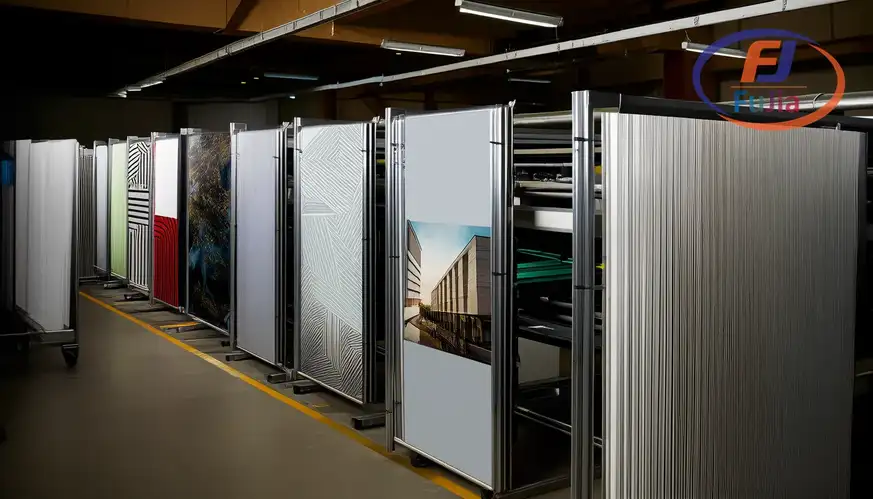
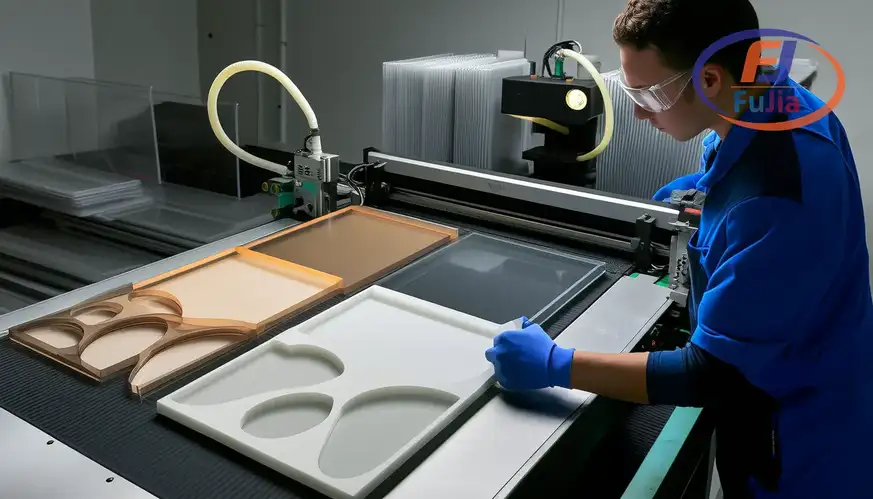
A commercial UV flatbed printer prints the full rigid canon at production pace: acrylic and ACP signage panels, wood and glass decor, phone cases and awards in nested batches, metal plates, ceramic tiles, and leather goods, at thicknesses to about 2 inches on standard beds. White underlay and varnish channels serve dark, clear, and premium finishes, and nesting multiplies the bed into the day’s output, with ink costs of $0.10-0.50 per object carrying margins that service commercial financing. The canon scales with the bed, and the duty cycle scales the revenue.
What are the downsides of UV printing?
UV printing’s downsides are consistent at every grade: adhesion on unprimed plastics needs promoters, the cured film is not food-contact certified, white ink demands daily circulation, and the machines price above water-based alternatives, with the commercial grade adding duty-cycle expectations that idle machines still pay for in financing and space. Maintenance scales with the schedule, and the daily ritual that desk machines can skip a day of is a production line’s non-negotiable. None of the downsides is unmanaged at the shops that run the rituals, and each prices into the commercial purchase before the deposit, per the limits our ink guide documents across the chemistry.
Verdict
The commercial UV flatbed printer is a duty-cycle purchase: 6090 production beds at $9,000-28,000 and wide classes at $18,000-45,000, engineered for daily schedules that desk machines price out of surviving, with motion class, ink logistics, and shop fit as the verification points the demo day runs. Cross 30 objects daily and the 6090 class pays for itself in the work it stops turning away; add panel orders and the wide classes follow the order book. Commercial grade is engineering for hour six, and the shops that run hour six know exactly why it costs what it costs. To run a full-shift demo on your own job mix, contact Fujia Print with your daily schedule.
Sources
- Wikipedia: UV curing: LED ink chemistry.
- Wikipedia: Large-format printer: format context.
- AATCC: durability testing standards.
- Fujia Print signage cases: commercial production examples.
