

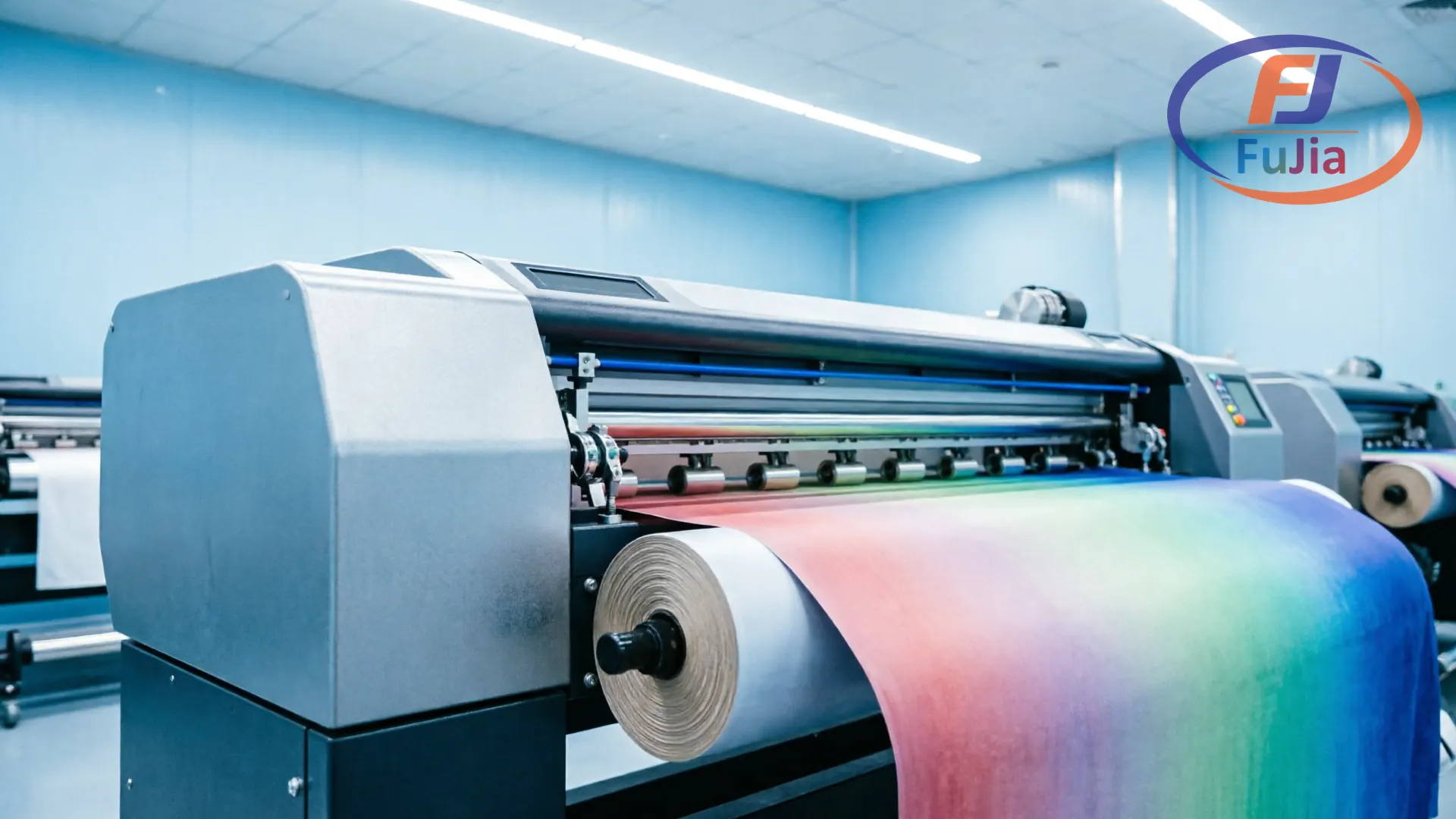
A large format sublimation printer is a wide-format inkjet machine designed for dye-sublimation printing on fabric, soft signage, and rigid substrates coated with polyester — printing widths typically range from 44 inches (110 cm) up to 126 inches (320 cm). Unlike desktop sublimation printers used for mugs and phone cases, these industrial machines are built for textile production at scale.
Key Takeaways
- Large format sublimation printers print on rolls of polyester fabric up to 126 inches wide, used for flags, sportswear, soft signage, and home textiles.
- The global sublimation printing market is projected to grow from $3.6 billion in 2025 to $6.2 billion by 2032, at a CAGR of approximately 8% according to Grand View Research.
- Entry-level wide-format sublimation printers (44–64 inch width) start at $8,000–$20,000, while industrial machines (72–126 inch) range from $30,000–$150,000.
- Key specification to evaluate: printhead technology (Epson I3200, Ricoh, or Kyocera), print speed (square meters per hour), and ink delivery system.
- The main advantage over desktop sublimation is production efficiency — a large format printer can produce 100–500 linear meters of printed fabric per shift.
What Is a Large Format Sublimation Printer?
A large format sublimation printer is a roll-fed digital printer that uses heat to transfer dye from printed paper to polyester-based materials. The process requires: printing the design in reverse onto sublimation transfer paper using disperse dye inks, then applying heat (190°C–210°C / 375°F–410°F) and pressure via a calendar heat press to turn the solid dye particles into gas, which bonds permanently with polyester fibers.
Wikipedia’s dye-sublimation printing overview explains that “the process uses heat to transfer dye onto materials such as fabric, plastic, or paper” and that “sublimation printing is widely used for polyester fabric printing, signage, and promotional products.”
The key distinction from desktop sublimation is size and throughput. Desktop sublimation printers (like Epson F170 or Sawgrass SG500) print on small-format paper up to 11×17 inches, producing one item at a time. Large format machines use industrial printheads, bulk ink systems, and roll-to-roll production workflows. For a complete overview of the technology, read our dye sublimation printer guide.
Large Format vs Desktop Sublimation Printer
The differences go beyond print size — the entire production workflow changes.
| Factor | Desktop Sublimation | Large Format Sublimation |
|---|---|---|
| Max Print Width | 8.5–13 inches | 44–126 inches |
| Print Technology | Consumer inkjet (Epson) | Industrial printheads (I3200, Ricoh) |
| Ink System | Cartridge (20–50 ml) | Bulk CIS (1–5 liter tanks) |
| Print Speed | 5–15 sq ft/hour | 200–2,000 sq ft/hour |
| Media Type | Paper sheets, small blanks | Fabric rolls, transfer paper rolls |
| Heat Press | Clamshell/mug press (12″x15″) | Calendar roll laminator (64″+ width) |
| Best For | Mugs, phone cases, tiles, plaques | Sportswear, flags, home decor, banners |
| Entry Price | $300–$800 | $8,000–$20,000 |
For a detailed overview of the technology, read our dye sublimation printer guide.
Applications: What Can a Large Format Sublimation Printer Produce?
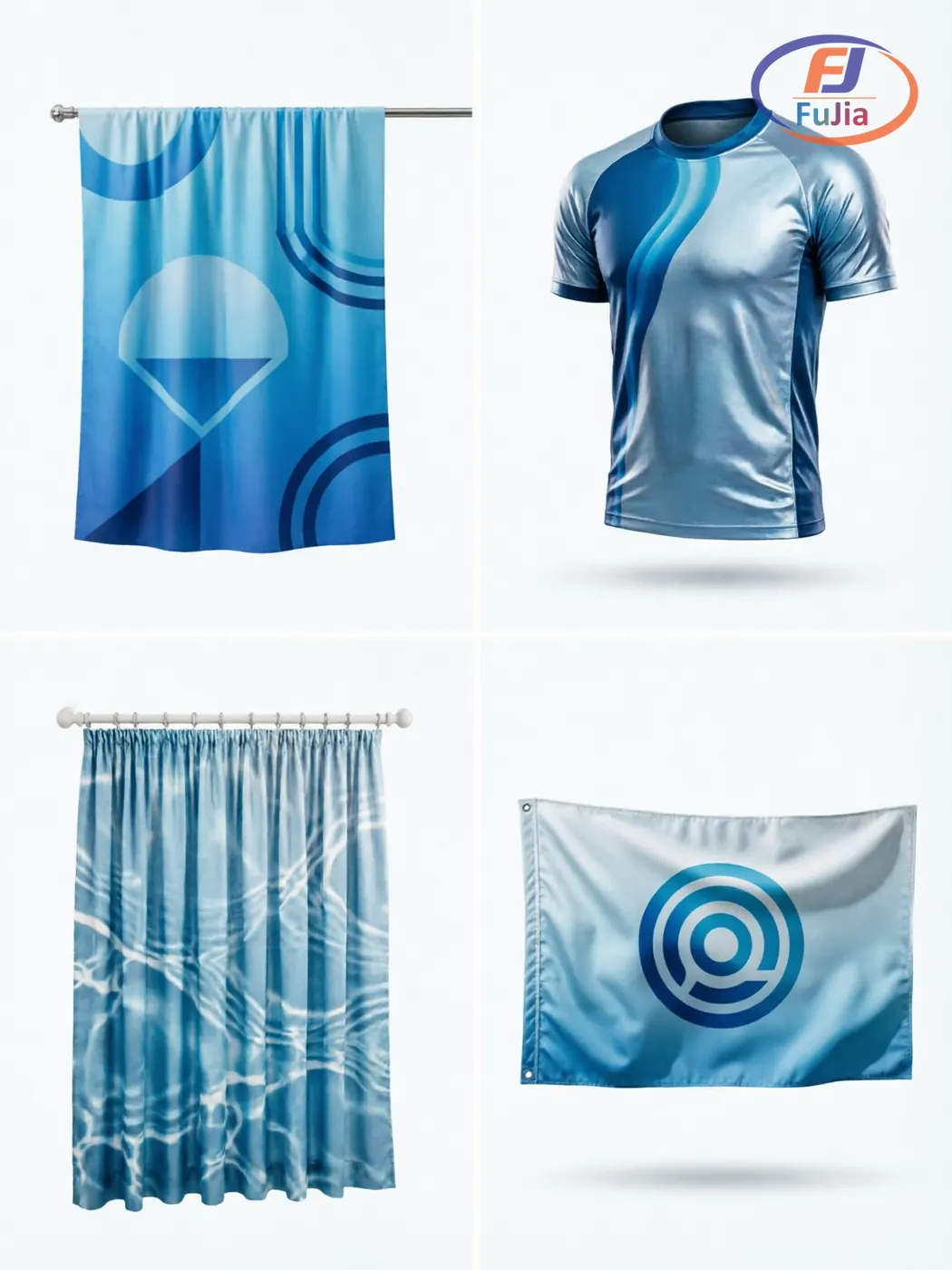
Large format sublimation opens multiple revenue streams for print businesses.
Soft signage and trade show graphics. Fabric banners, pop-up displays, and backdrop curtains printed on polyester fabric are lightweight, wrinkle-resistant, and easy to ship. This market alone has seen double-digit growth as trade shows and events continue expanding post-pandemic. Roland DG’s guide to wide-format sublimation covers the key material handling requirements for fabric printing at scale.
Sportswear and activewear. Custom sublimation-printed jerseys, leggings, and training apparel for sports teams, esports organizations, and corporate wellness programs. Sublimation allows full-color all-over prints with no seam alignment issues because the print covers the entire fabric before cutting and sewing.
Home decor and upholstery. Custom curtains, throw pillows, duvet covers, and upholstery fabric for hotels, interior designers, and direct-to-consumer brands. Polyester-based velvet, satin, and canvas fabrics produce vibrant, washable prints.
Flags and banners. Outdoor flags, feather flags, and banners printed on polyester flag fabric with UV-resistant disperse inks. These are high-margin, repeat-order products for municipalities, events, and real estate.
Fashion and apparel. Small-batch fashion production using sublimation on polyester blends. The zero minimum order and full-color capability make it ideal for independent fashion labels and print-on-demand services.
Key Specifications to Consider
When evaluating a large format sublimation printer, focus on these critical specs.
| Specification | Entry-Level | Mid-Range | Industrial |
|---|---|---|---|
| Print Width | 44–64 inches | 64–74 inches | 74–126 inches |
| Printheads | 2× Epson I3200 | 4× Epson I3200 | 6–8× Ricoh/Kyocera |
| Max Resolution | 1200×1200 dpi | 1200×1200 dpi | 2400×1200 dpi |
| Speed (production) | 80–150 m²/hr | 150–300 m²/hr | 300–800 m²/hr |
| Ink Capacity | 1–2 L per color | 2–3 L per color | 3–5 L per color |
| Ink Types | Disperse dyes (CMYK) | Disperse dyes (CMYK+Or+V) | Disperse dyes (8–12 colors) |
| Price Range | $8,000–$20,000 | $20,000–$50,000 | $50,000–$150,000 |
| Typical Buyer | Print shop diversifying | Textile decorator | Full-time textile printer |
For commercial textile production, a mid-range machine with 4× Epson I3200 printheads and 64–74 inch width offers the best balance of speed, quality, and capital investment.
How to Choose the Right Large Format Sublimation Printer
Six factors to evaluate before buying:
Print width — align with your target market. A 44-inch printer handles standard fabric widths for apparel and soft signage. A 64-inch printer covers bed linen, curtains, and wide-format flags. A 126-inch printer is for industrial textile production. Buy the smallest width that covers your primary market — wider machines cost significantly more.
Printhead technology determines maintenance cost. Epson I3200 printheads are widely compatible, cost $80–$120 to replace, and produce excellent quality on dispersion dye inks. Ricoh Gen5 heads offer higher speed but cost $300–$500 each. Kyocera heads are the fastest but most expensive. For most buyers, Epson I3200 offers the best total cost of ownership.
Ink delivery system. Bulk ink supply with automatic de-aeration prevents air bubbles from causing nozzle failures. Look for systems with continuous ink circulation (CIC) for dispersion inks, since these inks contain pigment particles that can settle over time.
Heated platen. For dispersion dye sublimation ink, a heated platen (35°C–45°C) improves ink adhesion on the transfer paper. Without it, low-density areas may show banding at higher production speeds.
RIP software compatibility. Most large format sublimation printers require third-party RIP software (Wasatch, Caldera, ONYX, or Ergosoft). Confirm compatibility before purchase — some printers require specific RIP versions.
Total cost of ownership. Include ink cost per square meter (typically $0.15–$0.50/m² for disperse sublimation inks), printhead replacement intervals (every 12–24 months for I3200 under moderate use), and the calendar heat press ($5,000–$30,000 additional).
For factory-direct options, check our sourcing guide for China printers.

Frequently Asked Questions
Q: What is the difference between a large format sublimation printer and a regular sublimation printer?
A: The primary difference is print width, production speed, and build quality. A regular (desktop) sublimation printer prints on small-format transfer paper up to 13 inches wide and is designed for low-volume production of personalized items like mugs, phone cases, and small plaques. A large format sublimation printer handles media widths from 44 to 126 inches, uses industrial-grade printheads (Epson I3200, Ricoh Gen5, or Kyocera) instead of consumer inkjet heads, and incorporates bulk ink systems with 1 to 5 liter reservoirs per color. The industrial printheads in large format machines are rated for continuous 24-hour operation, while desktop printers are designed for intermittent use. Production speed differs by orders of magnitude — desktop printers produce 5 to 15 square feet per hour, while large format machines achieve 200 to 2,000 square feet per hour depending on printhead configuration and resolution settings.
Q: What materials can a large format sublimation printer print on?
A: Large format sublimation printers print on any polyester-based or polyester-coated material via the dye-sublimation transfer process. The printer applies disperse dye inks to sublimation transfer paper, which is then heat-pressed to transfer the dye permanently into the material’s surface structure. Compatible materials include: polyester fabrics (knit, woven, fleece, satin, canvas, and velvet), polyester-coated aluminum composite panels for signage, polyester-coated MDF and hardboard for decorative panels, ceramic tiles with polyester coating for bespoke wall art, and certain acrylic and polycarbonate sheets designed for sublimation. The critical requirement is that the material contains at least 50% polyester content for adequate color vibrancy — natural fibers like cotton or silk do not accept sublimation dyes unless they have been pre-coated with a polyester polymer layer. For businesses that need to print on cotton or other natural fibers, DTF printing is a better alternative because it works on any fabric without special coating or pre-treatment.
Q: How much does a large format sublimation printer cost with full setup?
A: A complete large format sublimation printing setup costs $15,000 to $50,000 for an entry-level system, $50,000 to $120,000 for a mid-range production line, and $120,000 to $350,000 for a full industrial installation including multiple printheads and automated material handling systems. The printer itself accounts for roughly 50% to 60% of the total cost. The remaining investment includes: a calendar heat press for the transfer process ($5,000–$30,000 depending on width and heat zone control), an unwinder and rewinder system ($2,000–$8,000), RIP software license ($1,000–$4,000 or annual subscription), initial ink purchase of 1–2 liters per color at $60–$120 per liter, and installation and training ($1,000–$3,000). Ongoing operational costs average $0.30–$0.80 per square meter for ink, paper, and electricity combined, with sublimation paper alone representing 40% to 50% of consumable costs depending on grammage and roll size.
Q: Can I use a desktop sublimation printer for small business and upgrade later?
A: Yes, and this is a common path for successful print shops. Many businesses start with an Epson F170 or Sawgrass SG1000 desktop sublimation printer to prove demand and build a customer base for personalized products. When order volumes exceed 50 to 100 items per day or clients start requesting larger items like flags, banners, or apparel, it becomes the right time to invest in a large format machine. The skills you learn on a desktop system — color management in Adobe Suite or CorelDRAW, understanding of ICC profiles for sublimation, and RIP software setup — transfer directly to large format production. The main operational difference is workflow: desktop printing is single-item batch processing, while large format printing is roll-to-roll continuous production requiring a calendar heat press rather than a clamshell press. The desktop printer can remain in service for small orders and prototypes even after upgrading.
Conclusion
A large format sublimation printer transforms your production capability from small personalized items to full-scale textile decoration — flags, sportswear, soft signage, and home decor. The market is growing at approximately 8% annually, driven by demand from events, fashion, and interior design. Entry-level systems now start under $15,000, making the technology accessible to small and mid-size print shops.
For factory-direct pricing on large format sublimation printers and to discuss your production requirements, contact Fujia Print.
