

A UV flatbed printer factory runs four production stages from frame fabrication through head mounting, electronics integration, and burn-in testing, with the head-mounting clean area and the 24-48 hour burn-in gate separating real manufacturers from garages that ship untested machines. The factory tour is the buyer’s strongest sourcing tool because machine quality differences live in stages brochures never show: chassis machining tolerance, ink-system assembly cleanliness, and burn-in discipline predict the first year of ownership better than any specification sheet. This page walks the production line stage by stage, explains the QC gates that matter, and hands buyers the five verification steps that work over a video call.
Key Takeaways
- The four stages run frame fabrication, ink-system assembly, head mounting in a controlled area, and 24-48 hour burn-in testing before packing.
- Head mounting is the clean-room stage: dust under a mounted head kills nozzles within weeks, and real factories mount in filtered enclosures.
- Burn-in testing runs every machine 24-48 hours printing continuous patterns, and machines shipping without burn-in records carry hidden infant-mortality risk.
- Factory tiers differ visibly at the QC gates, because budget assemblers skip burn-in hours while established factories photograph every test result.
- We recommend the video tour as the non-negotiable verification, demanding the camera walk welding, head mounting, and a live burn-in readout before any deposit.
The Production Line Stage by Stage
The stage table walks a flatbed line from raw frame to packed crate, and each stage’s discipline predicts a different aspect of machine quality:
| Stage | Work performed | Quality signal |
|---|---|---|
| Frame fabrication | welding, machining the chassis | flatness tolerance, straightness |
| Ink-system assembly | dampers, lines, circulation pumps | cleanliness, leak testing |
| Head mounting | heads onto carriage, alignment | filtered enclosure, torque records |
| Electronics | boards, wiring, firmware | routing discipline, labels |
| Burn-in testing | 24-48 h continuous prints | pattern records per serial |
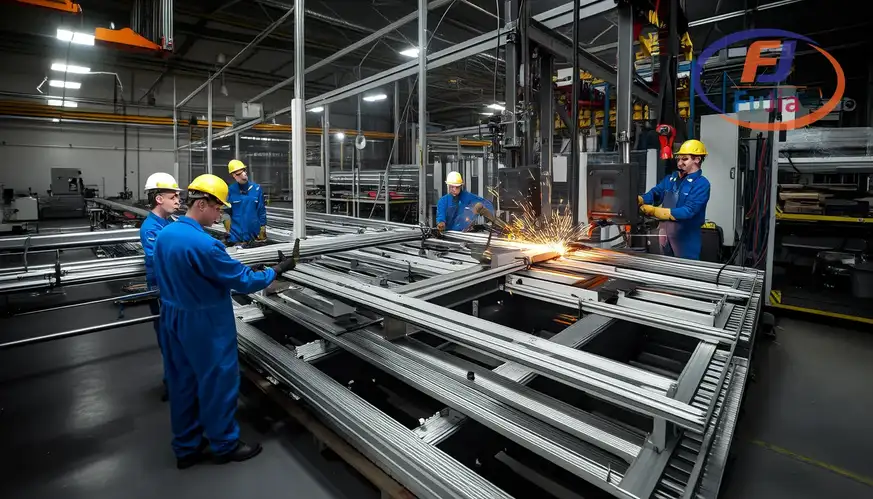
The line in production:
The head-mounting stage is where factory quality becomes visible in a single question: real manufacturers mount heads in filtered enclosures with torque-documented procedures, because a dust particle under a mounted head clogs nozzles within weeks and cannot be cleaned away, per the assembly standards our UV printers sourcing guides document across factory visits. In our experience the tour that walks this stage tells the buyer more than the previous four brochures combined, because the enclosure either exists on camera or the salesperson changes the subject, and both outcomes are information.
The QC Gates and What Each Catches
The gate table maps the quality-control checkpoints that separate manufacturer tiers, and the burn-in gate is the one budget assemblers skip first because it costs the hours they price away:
| QC gate | What it tests | Failure caught |
|---|---|---|
| Frame flatness check | bed level before assembly | registration drift forever |
| Ink-system leak test | pressure under fluid | drips at customer site |
| Head alignment print | test patterns per head | banding from day one |
| Burn-in run | 24-48 h continuous | infant electronics failure |
| Final inspection | accessories, packing, serial log | missing parts, mismatch |
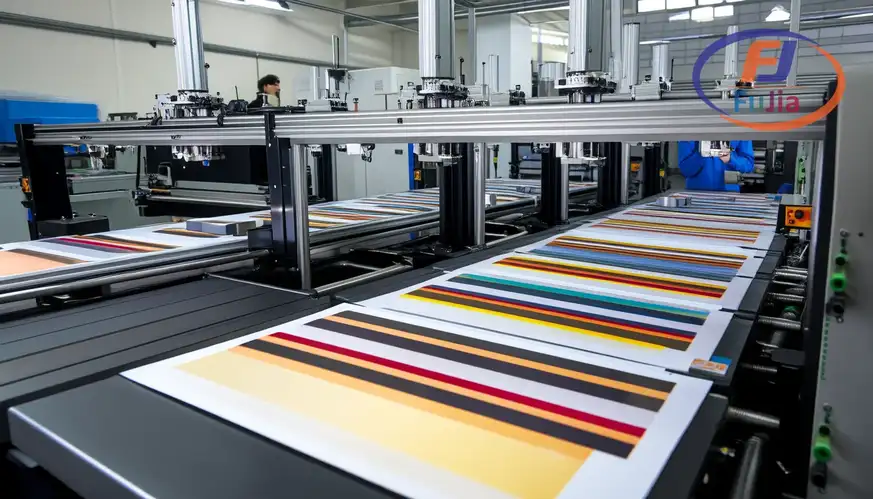
The burn-in in progress:
Here’s the thing about burn-in hours: electronics failures cluster in the first hours of operation, which is exactly why the 24-48 hour continuous print run exists, and the factories that run it catch the failing power boards and head drivers before they ship rather than after your freight arrives. Budget assemblers skip the hours because burned-in machines cost real electricity and real calendar time, and the saving prices directly into their lower quotes, per the QC economics our consumables sourcing cases document across equipment sourcing. We recommend asking every supplier for the burn-in record of your serial number, because factories that test keep the records, and factories that do not test keep excuses.
The Five Verification Steps Before Wiring a Deposit
The verification table converts factory risk into five checkable steps, and every step runs over a video call without travel. The sequence protects the deposit before anything else:
| Step | Method | Passing evidence |
|---|---|---|
| Live floor tour | video call walking the line | real assembly, real machines |
| Head sourcing proof | written distributor reference | named supply chain |
| Burn-in records | serial-numbered test logs | dated pattern prints |
| Your-file demo | live print on camera | your artwork printing |
| Trade assurance payment | escrow with milestones | platform-protected terms |
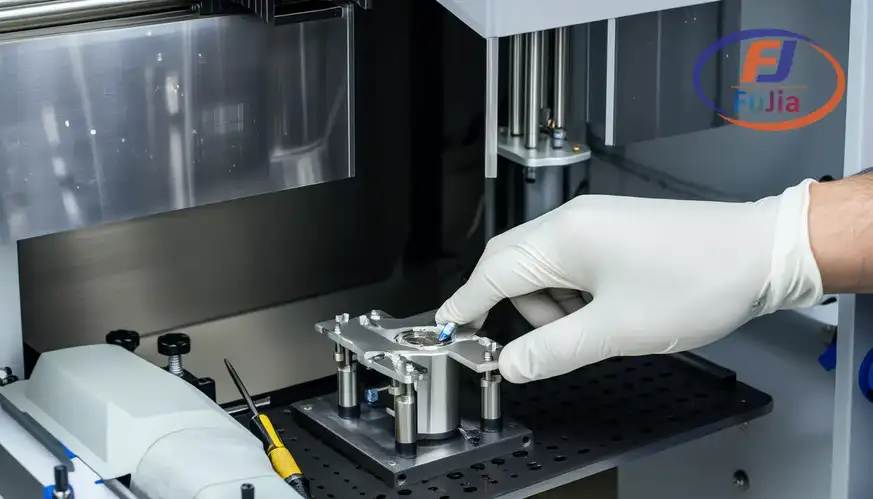
The verification in one frame:
We recommend the sequence exactly as ordered, because each step validates the previous one and the demo comes last for a reason: a beautiful print from a machine whose factory does not exist is the industry’s oldest disappointment, per the verification discipline our sourcing cases apply across equipment categories. Payment through trade assurance with milestone terms holds the final installment until the machine passes a recorded live test at your side or at the factory, and factories confident in their gates accept those terms without friction. That said, the verification protects a rational purchase. The rational purchase starts with knowing your tier, because verification cannot turn a budget assembler into a production factory any more than a deposit can.
How are UV flatbed printers manufactured?
UV flatbed printers are manufactured through four production stages: chassis frame fabrication with welding and machining, ink-system assembly covering dampers and circulation pumps, print-head mounting in filtered enclosures with alignment procedures, and electronics integration followed by 24-48 hour burn-in testing before packing. Head mounting is the most sensitive stage because dust under a mounted head clogs nozzles permanently, which is why established factories work in filtered enclosures with documented torque procedures. The burn-in gate catches infant electronics failures. Machines shipping without burn-in records carry that hidden risk directly to the buyer’s floor, and the record request costs nothing while the risk costs a head.
What should I check when visiting a UV printer factory?
When visiting or video-touring a UV printer factory, check five things in order: the real assembly floor with welding and head-mounting areas on camera, written head sourcing from named distributors, serial-numbered burn-in test records with dated pattern prints, a live demo printing your own artwork files, and payment terms through trade assurance with milestone protection. The head-mounting enclosure is the single most revealing stop, because filtered mounting areas exist only in factories that understand why they matter. Spare-parts inventory for the machine’s own model closes the list, because stocked parts signal a factory that expects to support what it builds.
Why do UV flatbed printer prices vary so much between factories?
UV flatbed printer prices vary between factories because the visible hardware is commodity while the invisible engineering is not: chassis machining tolerance, ink-system assembly cleanliness, head-mounting discipline, and burn-in hours all cost real money that budget assemblers skip, and the price gap prices exactly those skipped steps. OEM badge layers add another spread, with identical machines selling under different logos at different markups. The honest comparison runs five-year cost of ownership including heads, parts, and downtime rather than the invoice. The factories that invest in gates charge for them once, while the factories that skip charge for them repeatedly, and the second billing always arrives as downtime.
How do I verify a UV printer factory before ordering?
Verify a UV printer factory before ordering through a five-step sequence: a live video tour walking the real assembly floor, written head sourcing with named distributors, serial-numbered burn-in records, a live demo printing your own files on camera, and payment through trade assurance with milestone terms that hold the final installment until the machine passes a recorded test. The sequence runs in one afternoon without travel, and each step validates the one before it. Factories confident in their production gates welcome the process, and resistance to verification is itself the clearest verification result.
Verdict
The UV flatbed printer factory is where machine quality is actually decided: frame tolerance, ink-system cleanliness, filtered head mounting, and burn-in hours are the stages that predict year-one ownership, and the QC gates that enforce them separate real manufacturers from assemblers who ship untested machines at prices that skip the testing. The five-step verification of live tour, written head sourcing, burn-in records, your-file demo, and escrow payment runs in one afternoon and converts factory risk into a calculated purchase. Walk the line on camera, demand the burn-in record for your serial, and let the gates you can see vouch for the ones you cannot. For machines from vetted factory lines with documented QC, contact Fujia Print for sourcing support.
Sources
- Epson industrial printheads: head mounting specifications.
- Ricoh industrial printing: Gen5 platform manufacturing standards.
- Wikipedia: Quality control: burn-in and QC gate fundamentals.
- Fujia Print factory vetting cases: verification protocols and records.
