

The Uninet DTF printer line is the training-heavy, Epson-engine option in US retail, with starter bundles from $4,149 for the sheet-fed Uninet 100 to $9,995 for the 17-inch 4300, every package carrying masterclass training, RIP software, and a live tech Q&A. This review maps the confusingly named range, runs the capacity math the spec sheets leave in square feet, and reads the warranty fine print. The verdict: Uninet bundles are excellent first classrooms, and their capacity ceilings arrive exactly when a growing shop needs its second machine anyway.
Key Takeaways
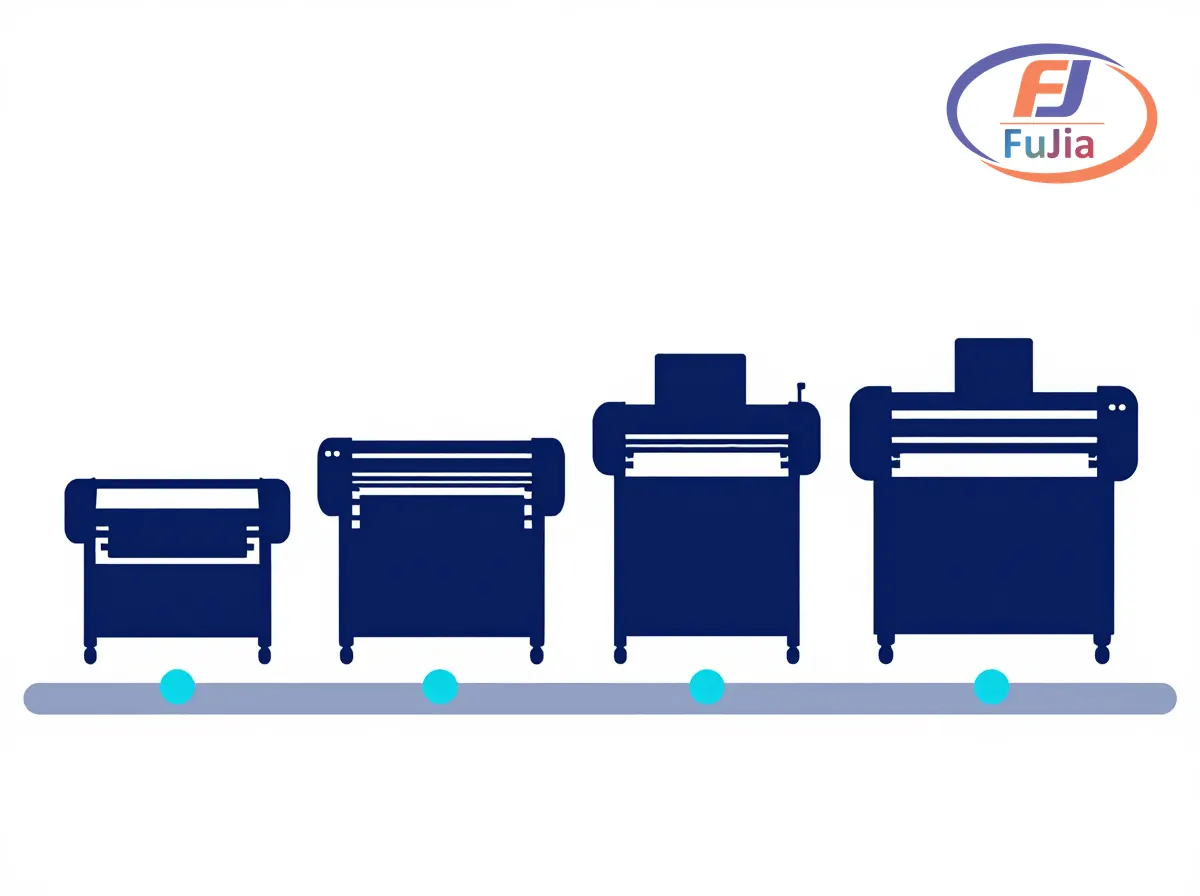
- Uninet’s DTF range covers four models, the sheet-fed Uninet 100, the 13-inch roll-fed 1000, the 1300, and the 17-inch 4300, plus the unrelated iColor white toner line that pollutes searches.
- Real 2026 starter bundles run $4,149 (Uninet 100) and $4,929-5,929 (Uninet 1000), with the 17-inch 4300 at $9,995 and the UV DTF 3000 at $12,995.
- The DTF 1000 prints at 1440 dpi on 13-inch rolls at roughly 10-13 square feet per hour, which translates to 60-100 small transfers in a working day.
- Warranty fine print matters here: 12 months covers material defects only, printheads, clogs, and damage from missed daily maintenance are excluded, and idle days cause the clogs.
- The Epson engine base means head quality is excellent; the integration, training, and support are what the Uninet premium buys over generic converted hardware.
What Is Uninet? The Brand Behind iColor and the DTF Line
Uninet is a US-based printing technology brand built on two product families that share a name and confuse a search: the iColor line of white toner transfer machines (560, 650, 800W) for hard-surface and garment decorators, and the inkjet DTF line, the sheet-fed 100, the 13-inch roll-fed 1000 and 1300, and the 17-inch 4300, all built on Epson printhead engines that Uninet modifies and pairs with its own ProRIP software as integrated bundles.
Here’s the thing about Uninet: the actual product is integration. A Uninet bundle arrives with CMYKW ink, film, powder, maintenance kit, a hygrometer, ProRIP software, a video masterclass, a scheduled Q&A with a live technician, and a year of unlimited technical support, which is a coherent onboarding package no bare converter matches. For a first-time owner who wants one vendor and one phone number, that package is the product, and the machine inside it is the Epson-engine platform the entire converted-printer world runs on.
The naming is where buyers stumble: searches for “Uninet 560 DTF” land on a white toner machine, and the 100 versus 1000 split is sheet versus roll feeding rather than generation. The map is simple, the DTF line is 100, 1000, 1300, 4300, everything with iColor in the name is toner, and Xpress marks bundles pairing the 1000 with an integrated shaker.
Uninet DTF Printer Models & Prices in 2026
Listed bundle prices from Uninet’s dealer network in 2026 are consistent enough to budget against, and the model ladder maps cleanly to shop stages.
| Model | Feed & width | Head / resolution | Speed | Starter bundle (2026) |
|---|---|---|---|---|
| Uninet 100 | A3+ sheets, 13″ | Epson engine, 1440 dpi | sheet batch | $4,149 (list $4,949) |
| Uninet 1000 | 13″ roll | Epson TFP2000, 1440 dpi | 10-13 sq ft/h | $4,929-5,929 (list $5,929) |
| Uninet 1300 | 13″ roll, enhanced | Epson engine | higher duty | ~$6,000-7,000 class |
| Uninet 4300 | 17″ roll | high-volume config | production | $9,995 |
| Uninet UV DTF 3000 | 17″ UV DTF | UV system | label/sticker production | $12,995 |
| iColor 560 (not DTF) | white toner sheets | toner transfer | craft/office | $3,995-6,995 |
Speed is the number that needs translation. The DTF 1000’s 10-13 square feet per hour equals roughly 60-100 small transfers in an eight-hour day, a real small-business output that fits Etsy shops and team orders, and the same figure also marks the ceiling: a shop running 300 pieces daily needs roughly triple that rate, which is the 4300’s territory and a different budget. For a full specification walkthrough of that tier, our DTF printer wholesale guide lists factory configs line by line. Based on data from our customers across 50+ countries, most buyers who start with a 13-inch machine upgrade within 12 to 18 months, so the honest budgeting question is what the second machine will be, not whether one follows.
Inside the DTF 1000: Specs & Engineering
The DTF 1000 is a desktop machine at 70 x 60 x 40 cm and 48 pounds, printing 13-inch roll film at up to 1440 dpi on an Epson PrecisionCore TFP2000 head. Its engineering centers on white ink reliability: the WICS circulation system agitates white ink and pumps it through the full system to prevent settling, complemented by a vacuum-enhanced print area that keeps film flat. Six-channel plumbing runs CMYK plus white to a pressurized damped delivery, and a front flush system with dedicated cartridges simplifies the cleaning cycles converted printers otherwise make tedious.
The Epson engine base is a genuine strength and worth understanding precisely: Epson heads dominate DTF because their piezo architecture handles water-based pigment ink at the resolution transfer work needs, and parts, cleaning knowledge, and community experience are everywhere. The trade-off of a modified platform is head replacement economics, Epson heads in this class are consumable-adjacent, and buyers should price a spare head into year-two ownership.
Humidity is a named specification, not a footnote: Uninet ships a Bluetooth hydrometer with its bundles and expects print rooms above 50% relative humidity, because dry air accelerates the ink drying and head clogging that the warranty excludes. That requirement is honest and manageable, a humidifier costs far less than a head, but it is part of the operating contract the purchase implies.
Uninet vs Factory-Direct at the Same Budget
The decisive comparison runs bundle price against bundle price, because Uninet’s packages include the finishing ecosystem that bare factory printers omit. At roughly $5,000, the Uninet 1000 bundle with Heat Station competes against the A3 DTF starter class, an A3 printer plus shaker bundle lists at $5,599 from DTFonestop, where both systems land in the 40-60 transfers per day bracket and the difference is training style rather than capability. At $9,995, the Uninet 4300’s 17-inch width competes against factory-direct 24-inch dual-head machines at $11,499, where the factory option runs 8-13 m²/h on a wider sheet and the Uninet offers dealer support instead of throughput. That wider class is exactly what the factory-direct DTF printers lineup covers.
| Factor | Uninet 1000 (bundle) | Fujia A1 2-head (factory-direct) |
|---|---|---|
| Print width | 13 in roll | 650 mm (25.6 in) |
| Speed | 10-13 sq ft/h (~1-1.2 m²/h) | 8-13 m²/h @4-pass |
| White ink | WICS pump circulation | auto circulation, outage-proof |
| Transmission | unspecified | Honson board + Leadshine servo + THK rail |
| Warranty | 12 mo, consumables & clogs excluded | 2 yr, parts in 48h |
| Support | masterclass + Q&A + 1 yr tech | 3-day onboarding + lifetime engineer chat |
| Bundle price | $4,929-5,929 | machine + shaker + oven system, higher total |
The Etsy-scale customer is where the Uninet package earns its keep. An Etsy tote bag brand we supplied moved from 2-week turnaround to same-day delivery on a 60 cm dual-head DTF printer shipping 1,500+ pieces monthly at a 65% margin, but their first machine was a compact unit that taught the workflow on cheap mistakes; that learning stage, low volume, high uncertainty, one operator, is precisely the Uninet 1000’s design target, and the masterclass-plus-Q&A structure suits a solo owner better than a factory’s remote onboarding suits a beginner. The upgrade math arrives on schedule: when weekly output crosses roughly 150 pieces, the 13-inch ceiling binds, and the same budget that bought the Uninet bundle buys a factory-direct 24-inch dual-head machine with triple the rate. Our HTVRont and Roland reviews map the neighboring brand tiers for buyers comparing across the market.
Warranty & Maintenance: The Fine Print That Matters
Uninet’s 12-month warranty covers faulty materials, and its exclusions deserve reading aloud before purchase. Printheads, capping stations, dampers, control boards, and cables are consumables excluded from coverage, clogging caused by missed maintenance is excluded, damage from inadequate humidity is excluded, and lack of use for even a day or two can cause ink clogs that the warranty will not repair. Shipping to Uninet for warranty service is the buyer’s cost. That said, none of this is unusual for the category, converted Epson platforms everywhere carry similar terms, but the daily-use requirement is stricter than most: the machine expects to run or be maintained every day, which fits production shops and surprises hobby buyers.
The maintenance routine itself is the standard DTF discipline, 3-5 minutes of capping station wipes and nozzle checks daily, plus purge cycles after any idle stretch, and the bundle’s hygrometer exists because low humidity accelerates exactly the clogging the warranty excludes. Buyers should treat the excluded-consumables list as the true total cost of ownership and price a spare head and damper set into year one, whichever brand they buy.
Against that fine print stands the support structure, which is more concrete than most. A year of unlimited technical support, structured video training with a required-completion gate before the live Q&A, and lifetime access to the support group give first-time owners a guided first year, which is the honest value in the Uninet bundle and the reason its buyers rarely regret the premium over an unguided converter.
What is the best printer for DTF transfers?
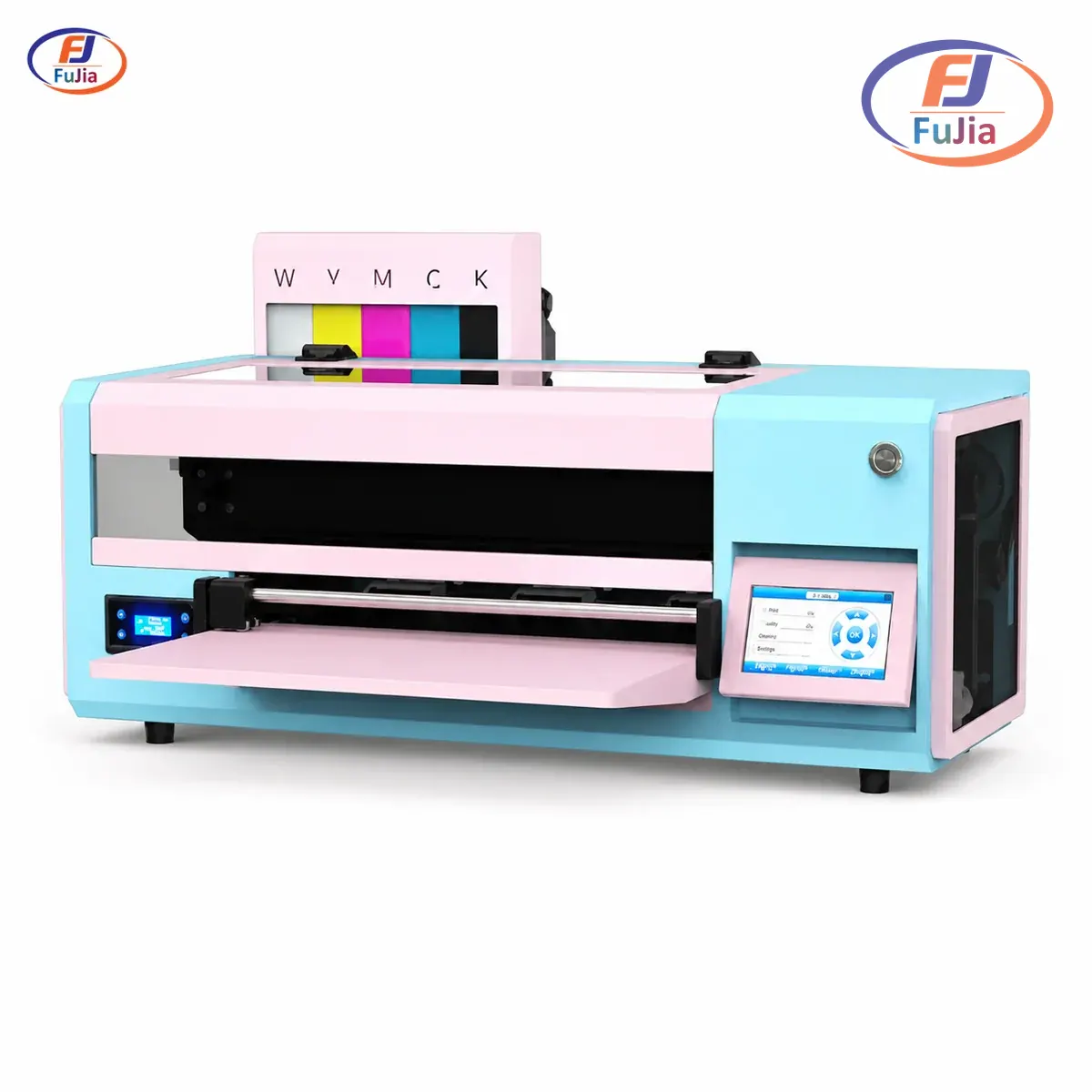
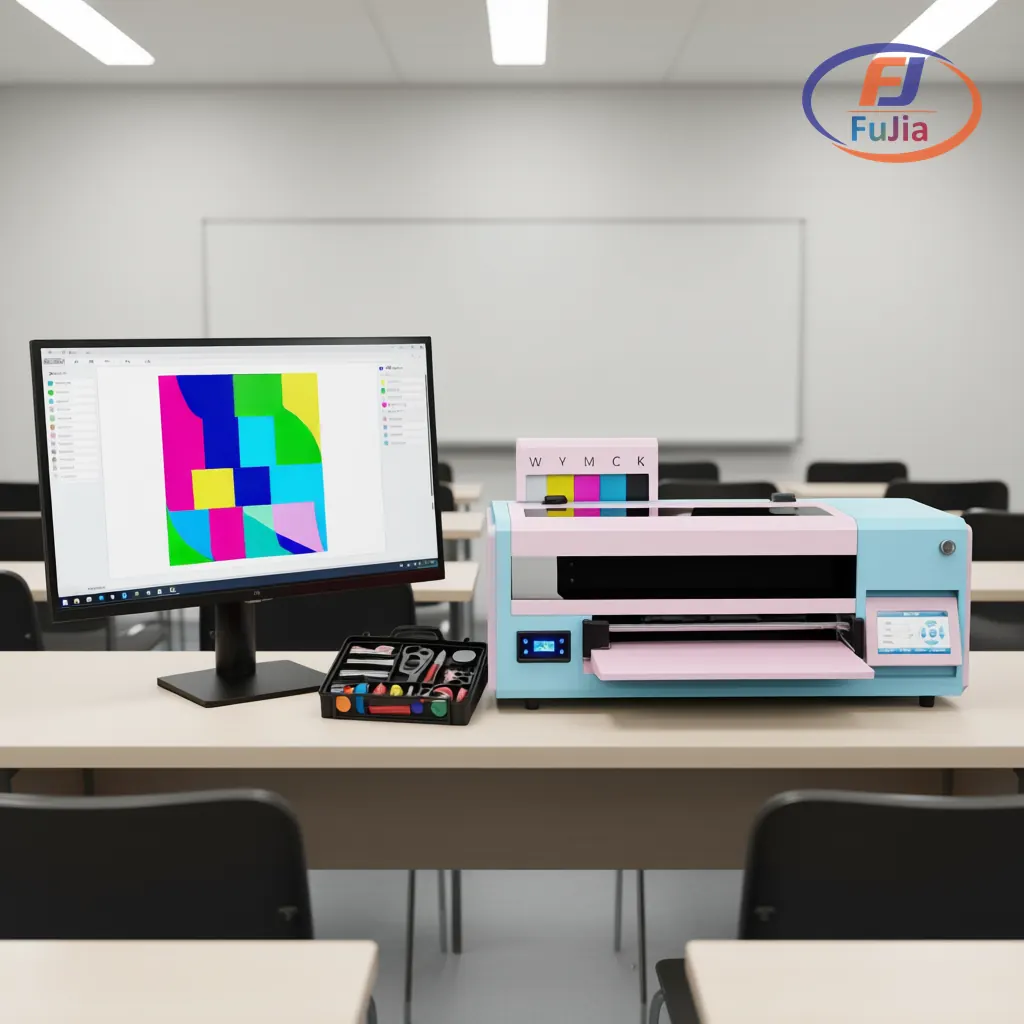
The best printer for DTF transfers matches head count to daily volume. Under 100 pieces daily, a 13-inch machine like the Uninet 1000 bundle at $4,929-5,929 covers demand with strong training support; between 100 and 400 daily, 24-inch dual-head factory-direct machines at $11,499 run 8-13 m²/h and hold gang-sheet economics; above that, 4-head systems at 27 m²/h become the throughput answer. Head quality across these tiers is comparable because they share Epson-engine platforms at 1440 dpi; the differences that matter are width, speed, warranty terms, and who answers when a white ink sensor faults at night. Fujia’s A1 line competes in the upper tiers with a Honson mainboard, Leadshine servo motor, and THK guide rail, plus a 2-year warranty and lifetime engineer chat, and a same-file sample test on your own fabric settles any brand comparison in a week.
Is owning a DTF printer worth it?
For shops with steady transfer demand above roughly 20-30 pieces daily, yes: consumables run $0.40-0.80 per full-front transfer against resale of $3-8, margins of 40-70% that recover a $5,000-15,000 investment in months rather than years. Ownership removes outsourcing MOQs and turnaround queues, which is what lets a small shop promise same-day delivery and win wholesale accounts on reliability. The honest costs are daily maintenance discipline, white ink circulation and capping wipes of 3-5 minutes, plus the reality that idle stretches cause clogs that warranties exclude, so ownership suits shops with daily order flow and a designated operator. Buyers below that volume should start with outsourced transfers and revisit purchase when outsourced spend passes roughly $400 monthly.
Who has the best quality DTF prints?
The best DTF prints come from the best-tuned system, not the best brand. Every serious 2026 machine runs Epson-head platforms at 1440 dpi or better, so density and detail differences between Uninet, factory-direct, and premium Japanese brands are invisible at the head level. What separates outstanding prints is the surrounding system: a choke-controlled white underbase via RIP, fresh powder melted correctly, press discipline at 160°C for 15 seconds with proper cold peel, and ICC profiles maintained per ink batch. Durability is the proof standard, grade 4-5 color fastness across 50+ machine washes with no edge lift, and any vendor confident in their system will print a same-file comparison on your own fabric and wash it with you. Brand quality shows up in how long the system stays tuned, not in how the first print looks.
What is the best DTF printer for a home business?
The best home-business DTF printer is the smallest machine that covers your weekly orders with the training to run it solo. The Uninet 100 sheet-fed starter at $4,149 or the Uninet 1000 roll-fed bundle at $4,929-5,929 are purpose-built for that stage, desktop footprints of 40-60 transfers daily with masterclass training and live tech onboarding. Factory-direct A3 bundles like the $5,599 DTFonestop kit match that bracket with more throughput per dollar and rely on remote onboarding instead. The upgrade trigger is order rejection: two consecutive weeks of turned-away orders means moving to a 24-inch dual-head machine, where a $11,499 factory-direct bundle runs 8-13 m²/h and keeps 65% margins at 1,500+ pieces monthly, the level where home businesses become actual businesses.
Verdict
Uninet DTF printers are the best-packaged first classroom in US retail: the Uninet 1000 bundle at $4,929-5,929 delivers a complete Epson-engine system with genuinely good training, a year of support, and a 13-inch production ceiling that suits solo owners. The honest limits are capacity, 10-13 square feet per hour caps a shop near 100 small transfers daily, and a warranty that excludes the clogs idle machines get, so buyers should read the maintenance contract as part of the purchase. If your growth plan needs more ceiling per dollar, our DTF printers lineup shows the factory-direct 24-inch and 4-head tiers that Uninet graduates move into.
Sources
- Wikipedia: Epson: background on the Epson printhead engines that Uninet’s DTF line is built on.
- Wikipedia: Continuous ink system: CISS technology background for the WICS white circulation discussion.
- iColor Print by Uninet: manufacturer reference for the Uninet DTF lineup and support programs.
