

Sublimation printing on fabric is governed by one chemistry rule that decides everything else: dye bonds molecularly to polyester and to nothing else, so 100% polyester fabric prints photographic and permanent, 50/50 blends print at half strength with a vintage fade, and 100% cotton prints nothing at all. This guide runs the blend math, ranks the eleven fabric families that actually matter, and marks where the press settings, the workflow, and the honest process choice, sublimation versus DTF, change by material. Fabric is the single biggest variable in sublimation quality, and it is the one sellers control completely.
\n\n\n\n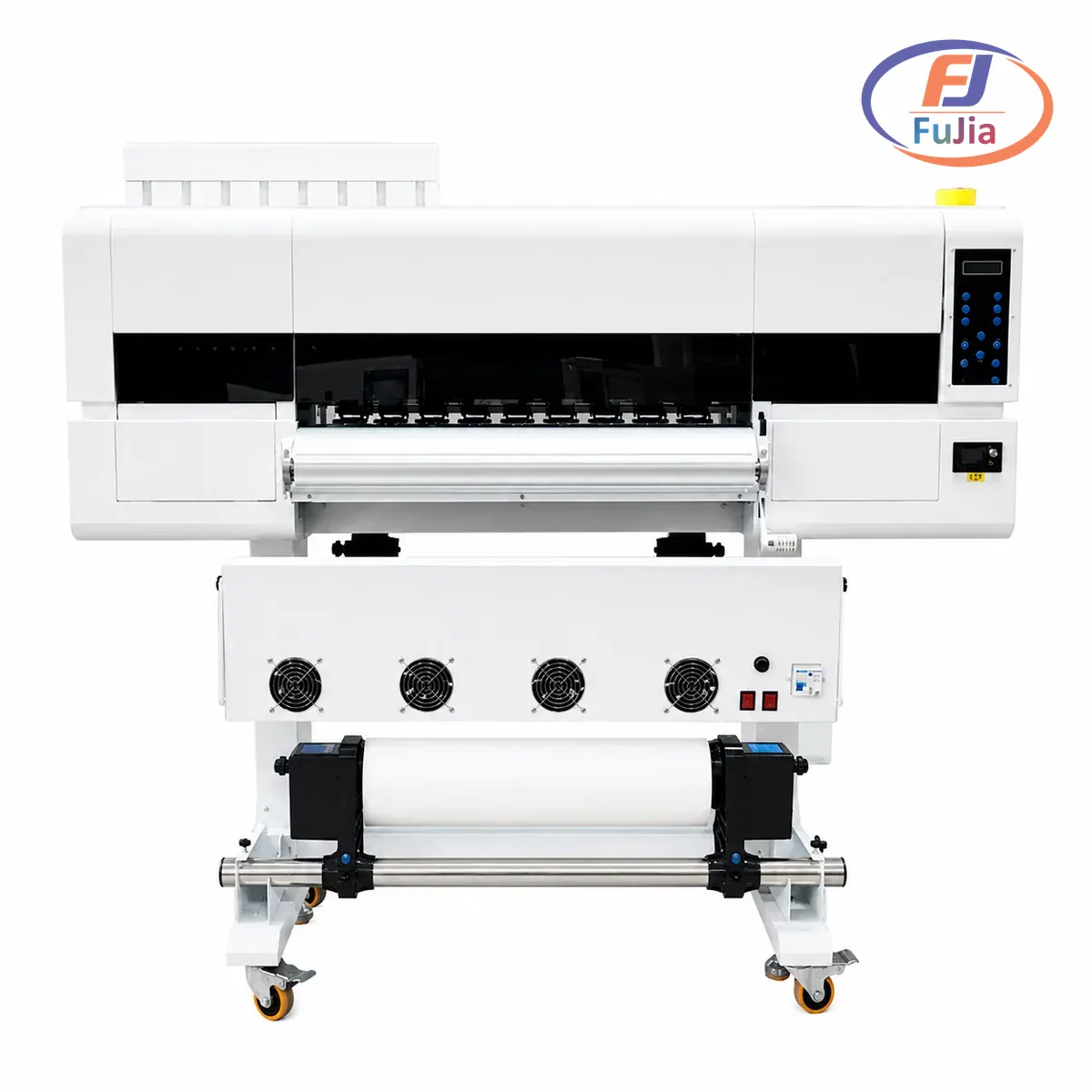
Key Takeaways
\n\n\n\n- \n\n\n
- Polyester content is the transfer budget: 100% poly delivers full photographic color, 65/35 delivers strong color with softened contrast, 50/50 delivers a faded vintage look, and cotton-dominant blends deliver a ghost that washes out. \n\n\n
- Press recipe for fabric: 385-400 °F (196-204 °C) for 45-60 seconds with firm pressure, and blends want the upper end of time to push dye into the available polyester. \n\n\n
- The best sublimation fabrics are polyester twill, satin, canvas, jersey knit, and poly-spandex blends at 85% polyester or higher; the worst are cotton, linen, wool, and anything water-repellent coated. \n\n\n
- White and light fabrics are the canvas: sublimation ink is transparent, so dark fabric shows through the design, and dark-garment work belongs to DTF or white-ink processes. \n\n\n
- Real fabric economics: custom-printed polyester by the yard runs near $10 per 60-inch yard from print services, and in-house roll sublimation cuts that to $2-4 per yard at production volume. \n\n\n
The Polyester Percentage Rule
\n\n\n\nThe chemistry has no flexibility. Sublimation dye turns to gas under heat and bonds with polyester polymer chains as the fabric cools, permanently, inside the fiber, which is why sublimated polyester survives 50-plus washes with zero fade while surface-printed cotton cracks by wash ten. Every non-polyester fiber in a blend is fiber the dye cannot occupy: a 65/35 poly-cotton prints with about 65% of achievable dye density, a 50/50 prints at half strength with visible vintage fade, and a 35/65 cotton-dominant blend produces the pale ghost that washes progressively toward nothing. The rule that follows is mechanical: match fabric polyester content to product expectations, photographic work demands 100% poly, and anything below 65% is a deliberate aesthetic choice rather than a printing decision.
\n\n\n\nColor depth is the second half of the rule because sublimation ink is transparent by design. On white polyester, cyan dye reads cyan; on light gray, the same dye reads muted; on navy, it reads as a faint tint, because the fabric color shows through every ink layer. Dark-fabric sublimation workarounds exist, white HTV-style sublimation vinyls like Siser EasySubli at $97.99 per roll, but they add a layer on top of the fabric rather than dyeing into it, trade the zero-hand-feel advantage away, and cost multiples of direct sublimation per garment. The honest split the industry has settled on: white and light polyester garments belong to sublimation, and dark garments and cotton belong to DTF transfers, a fork our DTF versus sublimation comparison prices in detail.
\n\n\n\nEleven Fabric Families Ranked for Sublimation
\n\n\n\n| Fabric | \nPoly content typical | \nSublimation result | \nCommon products | \n
|---|---|---|---|
| Polyester satin | \n100% | \nphotographic, glossy depth | \nbanners, flags, apparel | \n
| Poly twill | \n100% | \nphotographic, durable | \nsportswear, uniforms | \n
| Jersey knit (poly) | \n100% | \nphotographic, soft stretch | \nperformance shirts | \n
| Poly-spandex | \n85-95% | \nvivid, stretch-holding | \nleggings, swimwear | \n
| Poly canvas | \n100% | \nvivid, heavy coverage | \ntote bags, upholstery | \n
| Microfiber poly | \n100% | \nvivid, fine detail | \ntowels, mops, accessories | \n
| Poly-cotton 65/35 | \n65% | \nstrong, softened contrast | \nworkwear, casual tees | \n
| Poly-cotton 50/50 | \n50% | \nvintage fade | \nfashion blanks | \n
| Cotton | \n0% | \nnothing | \nbelongs to DTF/DTG | \n
| Linen, wool, silk | \n0% | \nnothing | \nwrong chemistry entirely | \n
| Coated water-repellent | \nvaries | \nblocked | \ncoating repels dye gas | \n
The top four families carry the commercial sublimation industry because they combine full dye acceptance with product-grade hand feel: satin and twill hold gallery-level color for signage and uniforms, poly jersey moves sublimation into performance apparel where moisture-wicking and print permanence sell together, and poly-spandex at 85% polyester or higher holds stretch without cracking because the dye is inside the fiber. A sports bag brand we supply runs exactly this stack, 60 cm roll sublimation with a roll heat press for full-bleed edge-to-edge designs, doubled average order value against cut-sheet production, and a zero-peeling warranty record because dye-in-fiber cannot peel. The blend rows are the compromise zone, and the cotton row is the boundary where the correct machine is a DTF printer, not a sublimation workflow.
\n\n\n\nPress settings shift slightly by fabric family, and the shifts are directional: heavy canvas and twill want 400 °F and the full 60 seconds to drive dye through the weave, fine satin and microfiber hold detail better at 385 °F and 45 seconds, and stretch fabrics want firm-but-not-crushing pressure to avoid embossing. Pre-stretching spandex before pressing, printing, releasing, keeps transferred designs elastic with the garment rather than restricting it. We recommend a wash-test swatch of every new fabric lot, because polyester content labeling drifts and a 5% cotton surprise shows up as a 5% fade surprise at the customer end.The swatch ritual costs one press cycle and has caught every bad lot before it shipped.
\n\n\n\nBy-the-Yard Economics and When to Print In-House
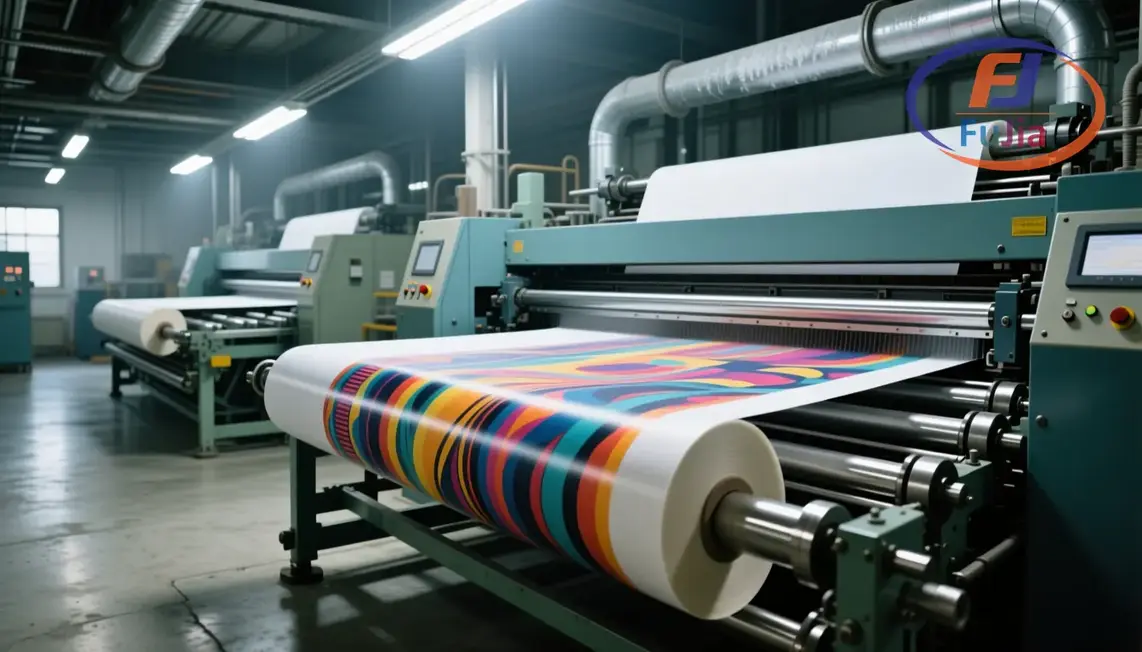
\n\n\n\nFabric sublimation splits into two buying modes: printed-by-the-yard services and in-house roll production, and the crossover is volume. Custom print services run near $10 per 60-inch yard in 2026, honest pricing for sampling and short runs, with no equipment and no minimum pain. In-house roll sublimation, a 60 cm or wider roll printer plus calender or roll press, drops effective cost to $2-4 per yard at volume, and a production line consuming 100-plus yards monthly pays its equipment back inside a year on the fabric spread alone, before counting the same machine’s garment-transfer output.
\n\n\n\nThe in-house route’s honest costs are workflow, not just hardware: roll printing demands consistent tension, profiled color across fabric lots, and a heat calendar wide enough for seam-free full-bleed work, which is why the format concentrates in apparel operations rather than craft studios. A hotel-textile supplier we work with demonstrates the payoff of that discipline: running DTF for cotton goods and sublimation for polyester lines under one roof, Pantone-matched across both, the supplier cut batch turnaround by 8 days and won five hotel-chain contracts on color consistency alone. The machines behind that stack are cataloged in our sublimation printers lineup. Based on data from our customers across 50-plus countries, that pattern, sublimation for poly volume, DTF for cotton, matched profiles across both, is the standard operating shape of successful textile shops.
\n\n\n\n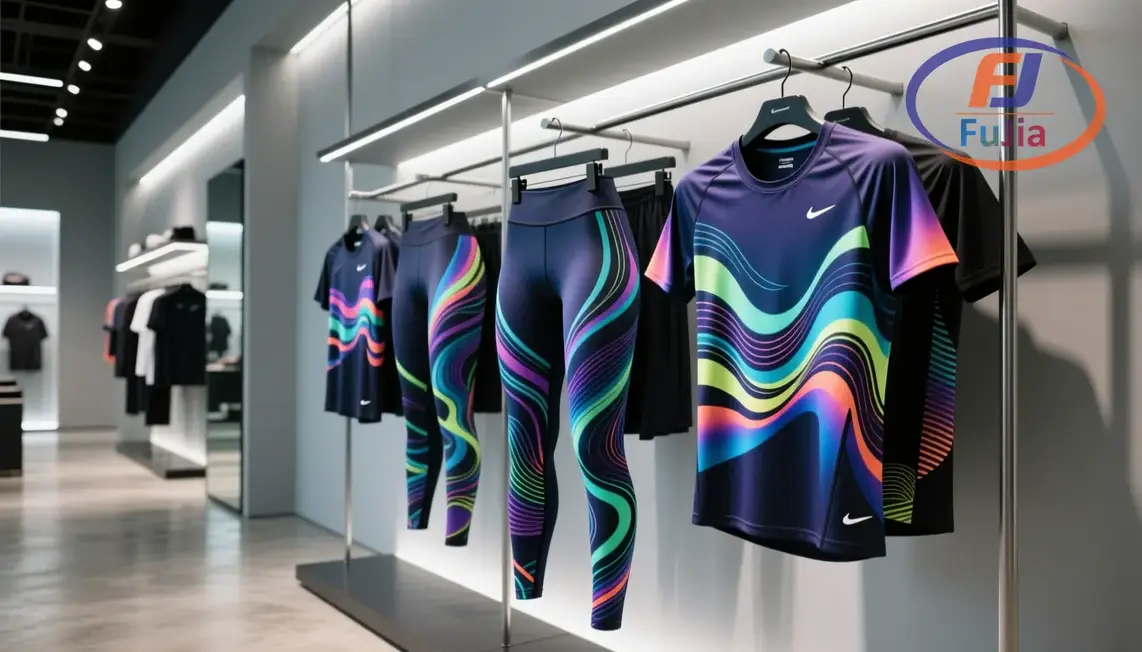
Verdict
\n\n\n\nSublimation printing on fabric rewards sellers who treat polyester percentage as the budget it is: 100% poly fabrics like satin, twill, jersey, and canvas print permanent photographic color, blends print deliberately faded, and cotton belongs to DTF. Press 385-400 °F for 45-60 seconds on light grounds, buy fabric by polyester content and lot-test with a wash swatch, and price in-house roll production against $10-per-yard services at 100-plus monthly yards. To see roll sublimation and DTF running side by side on your own fabrics, contact Fujia Print for a matched sample run.
\n\n\n\nSources
\n\n\n\n- \n\n\n
- Wikipedia: Dye-sublimation printing: dye-fiber bonding chemistry. \n\n\n
- Wikipedia: Polyester: fiber properties and blend behavior. \n\n\n
- AATCC: wash fastness test methods. \n\n\n
- Wikipedia: Textile: fabric family definitions. \n\n\n
