

A powderless DTF printer skips the adhesive-powder step of classic DTF by using white toner laser technology, with real 2026 prices running from $2,999 to $15,249. This guide explains how the toner process works, runs the cost and speed math against traditional ink-based DTF, and hands you a decision checklist. The short answer: powderless wins on maintenance and hard surfaces, ink systems win on throughput and fabric feel, and your monthly volume picks the winner.
Key Takeaways
- “Powderless DTF” means white toner laser transfer, built on the OKI printer platform and sold mainly as Crio and UniNet iColor systems, not a modification of inkjet DTF.
- Entry systems start at $2,999 (iColor 560 open-box), with the Crio 8432WDT at $5,495 MSRP and production 9541WDT bundles reaching $15,249.
- Toner costs average about $0.35 per 11″x17″ sheet, with no film powdering, no curing oven, and no daily printhead maintenance.
- The trade-off is scale: toner systems top out around 11.8-inch media and roughly 60 light-shirt transfers per hour, while a 60 cm ink DTF printer runs 27 m²/h with softer hand feel.
- A second powderless route exists too: self-adhesive film for inkjet DTF that replaces loose powder with a glued layer, at higher film cost per print.
What Is a Powderless DTF Printer?
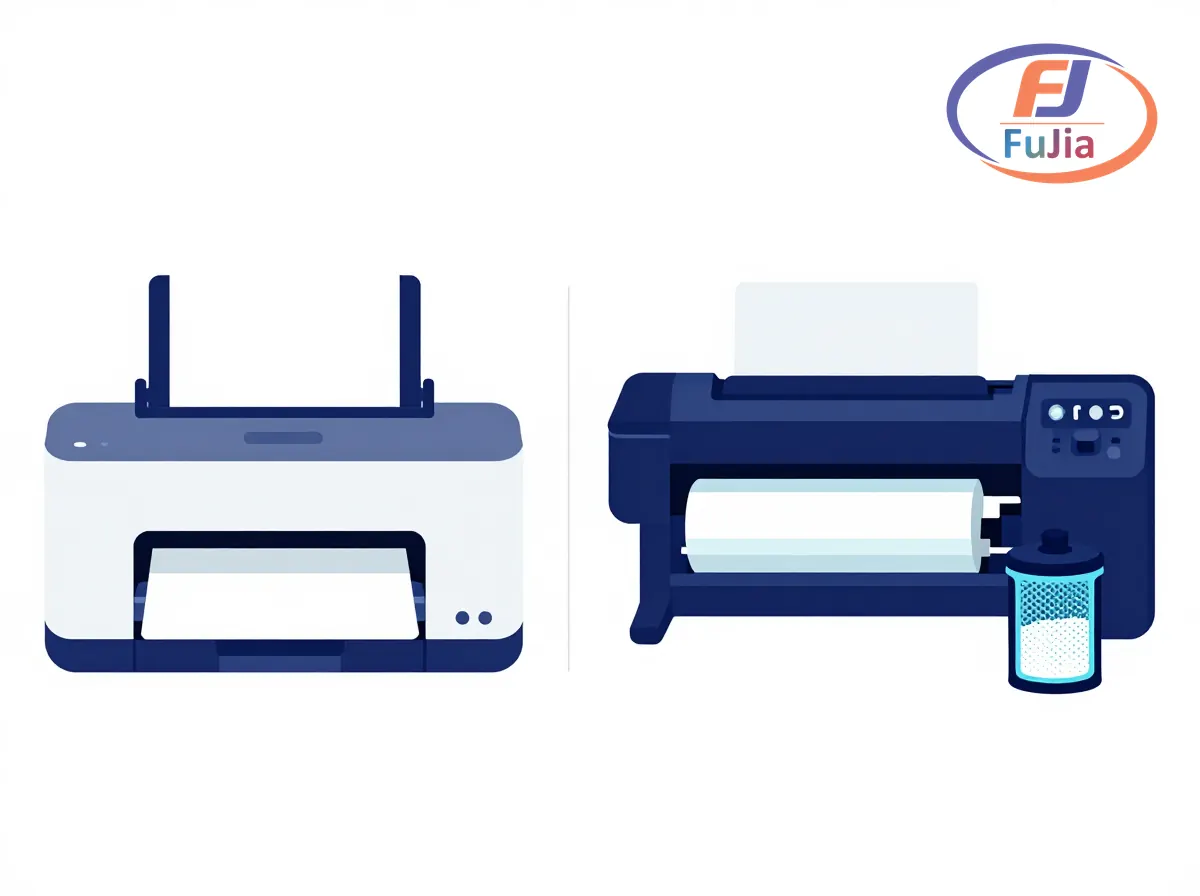
A powderless DTF printer produces garment-ready designs without hot-melt adhesive powder. In 2026 the term almost always means white toner laser printers rather than modified inkjet machines. The dominant platform is OKI’s LED laser engine, packaged by Crio as the 8432WDT and 9541WDT and by UniNet as the iColor 560, 650, and 800W. These printers work like office color lasers, except the toner fuses onto transfer film instead of paper, and a heat press bonds the finished transfer to the garment afterward.
A second, smaller powderless route causes search confusion: some Chinese manufacturers sell ink-based DTF printers paired with self-adhesive film, where glue comes pre-applied and powder disappears entirely, KingJet’s KJ-604 being a typical example. This route keeps inkjet image quality but pays several times more per square meter of film, suiting low-volume shops that hate powder mess more than film expense.
Both routes exist because the powder step is genuinely unpleasant: it is dusty, it needs a shaking and curing station, and skipped powder discipline ruins wash durability. Knowing which route a seller means is step one in comparing prices, because a $5,495 toner system and a $2,000 ink printer with premium film solve the same problem with different economics, and the film route’s economics depend heavily on how much of each sheet a design actually covers.
How White Toner Powderless DTF Works
The toner workflow has four steps and no consumables beyond toner, film, and adhesive sheets. The printer fuses CMY and white toner onto film in one pass at up to 1200 x 600 dpi, with white handling the underbase that ink DTF prints as a separate channel, then an adhesive sheet laminates over the image to replace powder-melt entirely. The film presses onto the garment, the peel leaves the design, and there is no curing oven, no shaker, and no cleanup between steps.
The spec envelope defines the machine’s reach: media tops out at 11 to 11.8 inches wide and 52 inches long, the 8432WDT prints roughly 9 full-color 11″x17″ sheets per minute, which dealer materials translate to about 60 light-shirt transfers per hour or 30 dark-shirt transfers. Toner runs about $0.35 per sheet, and idle behavior is the industry’s best: machines sit for weeks and print on demand, which inkjet white-ink systems physically cannot match because pigment settles within hours.
Straight paper path engineering is the quiet enabler: film travels nearly flat instead of wrapping drums, so the system accepts paper, film, transfer sheets, mylar, and balloon stock with minimal jam points across hundreds of media types.
Powderless vs Traditional DTF: Real Cost & Speed
The honest comparison runs on three axes: machine cost, cost per print, and sustained hourly output. Published 2026 numbers make the trade-offs concrete.
| Factor | Powderless (Crio 8432WDT class) | Traditional ink DTF (Fujia A1 class) |
|---|---|---|
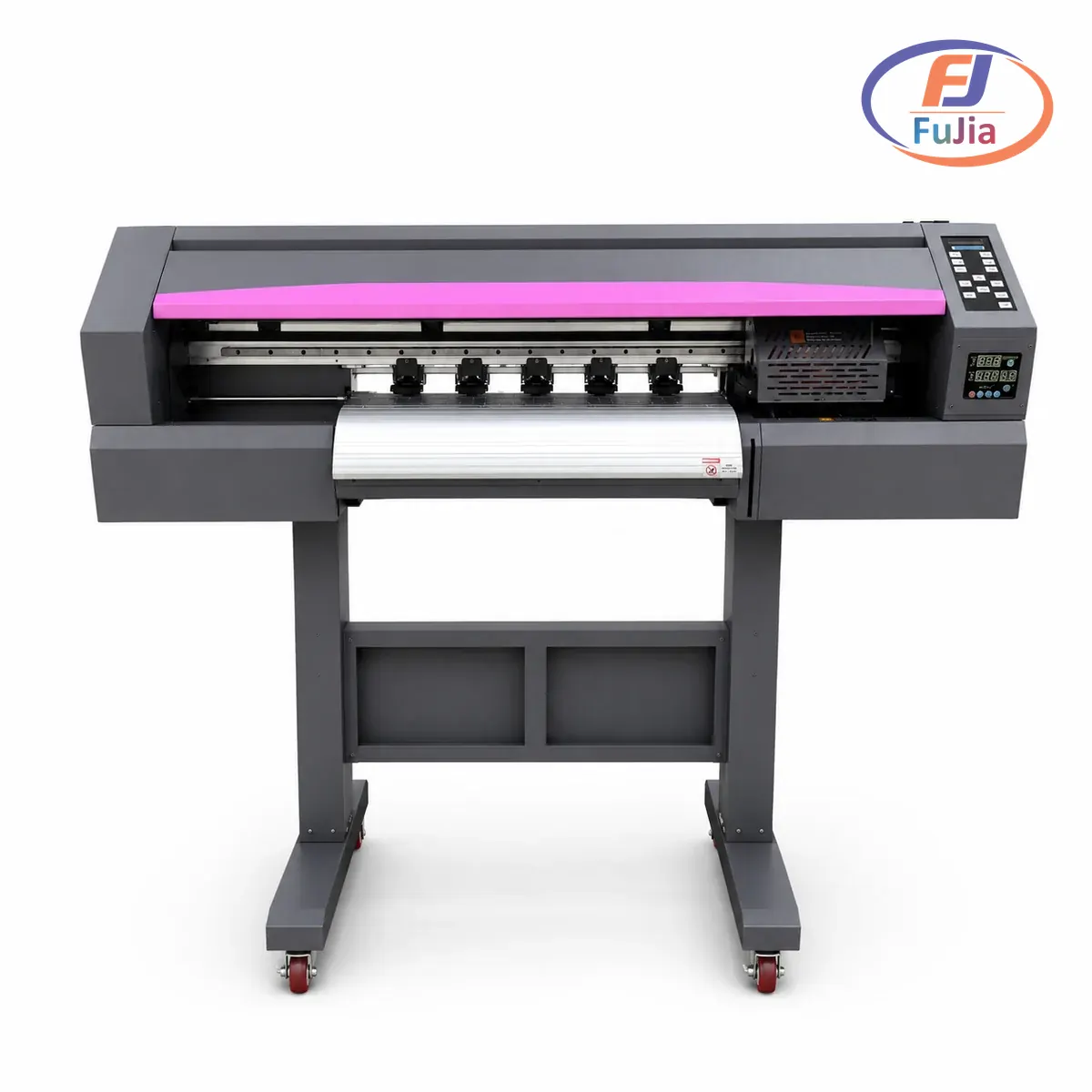
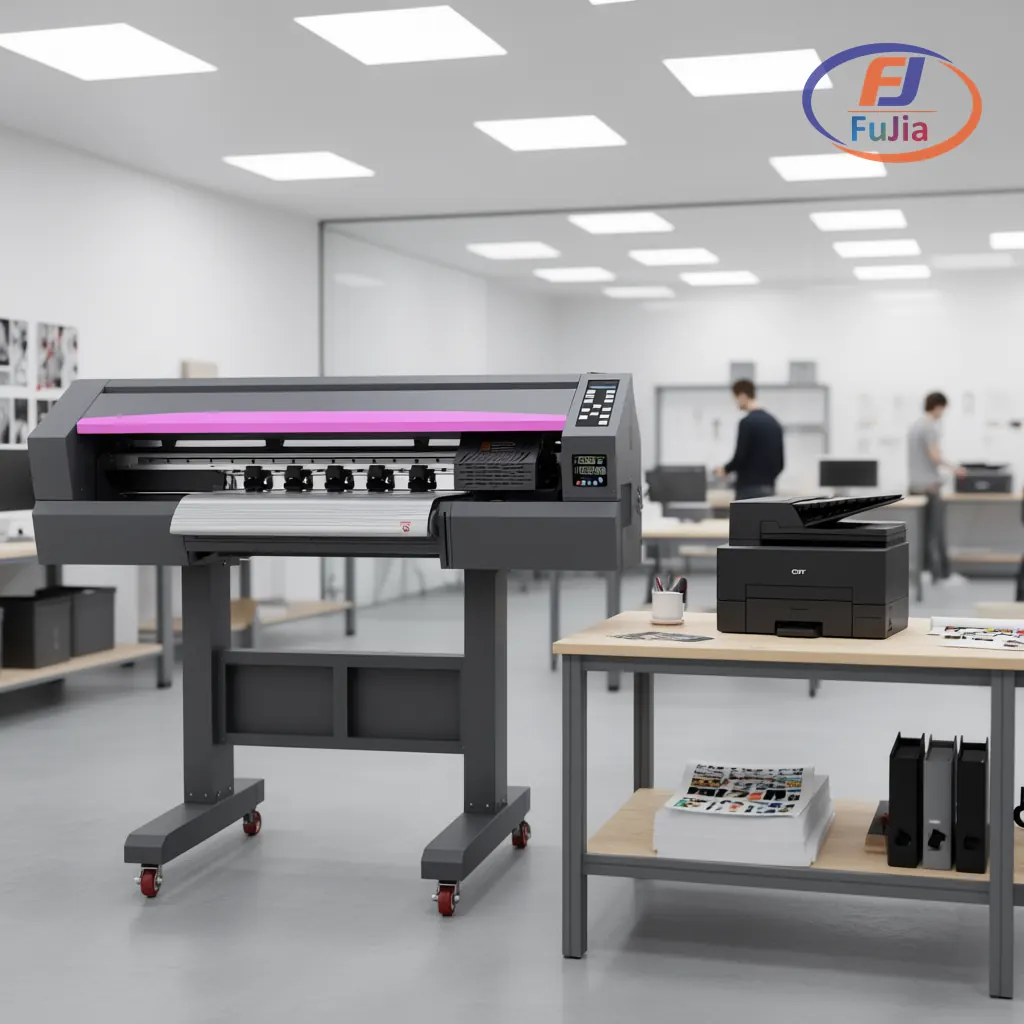
| Entry machine price | $5,495 MSRP (8432WDT); $2,999 iColor 560 open-box | $2,000-4,000 A3 single-head; under $10,000 A1 4-head |
| Production price | $9,495-15,249 (9541WDT bundles) | $6,000-11,000 dual/4-head 60 cm |
| Consumables per print | ~$0.35 toner + film + adhesive sheet | film $0.15-0.45 + powder + ink, ~$0.30-0.60 all-in |
| Max media width | 11.8 in (30 cm) | 24-25.6 in (60-65 cm) |
| Sustained output | ~9 sheets/min, ~60 light shirts/hour | 8-27 m²/h (dual to 4-head), hundreds of shirts/hour |
| Daily maintenance | none claimed, idle-tolerant | 3-5 min: capping wipe + nozzle check |
| Hand feel on fabric | slight toner layer, stiffer on large fills | soft matte, powder-gel layer stretches with fabric |
Consumable math favors toner at tiny volumes and ink at scale. At 20 prints per week, the toner system’s $0.35 sheet cost and zero maintenance beat the ink system’s fixed costs of white-ink circulation and nozzle care; at 200 prints per day, the ink system’s lower per-print consumable cost and double the media width finish jobs in half the press time, which is why production shops overwhelmingly run ink. There is also a wash-durability dimension the price tables hide: properly tuned ink DTF holds grade 4-5 color fastness across 50+ machine washes, while large solid toner fills can develop edge lift after repeated washing because the fused toner layer flexes differently than a powder-gel ink layer. That said, for logos and left-chest work under about 4 inches, both systems survive typical garment life. Most small shops will never print anything large enough to see the difference, which is why the maintenance argument usually decides this bracket.
What Powderless Systems Do Better
Maintenance is the headline advantage. An inkjet DTF printer needs its capping station wiped and nozzles checked daily because white pigment settles fast enough to clog a head within days of idleness, while a toner system needs nothing beyond consumable replacement, which makes Crio’s “zero maintenance” claim an operational reality rather than a slogan. For shops that print seasonally or assign machine care to a non-technical operator, this factor outweighs most others.
Hard surfaces and mixed media are the second win: the paper path plus toner fusion accepts wood, acrylic, metal, and leather that ink film transfers handle awkwardly, making toner systems the multi-material workhorse for awards and signage businesses. One of our customers, a corporate gift distributor, consolidated three suppliers to one after adding UV DTF and flatbed capacity, cut minimums from 500 pieces to 50 per design, and doubled order value once short-run personalized gifts shipped in days. White toner systems compete for exactly this order profile, small batches across hard and mixed materials, and the choice between toner and UV comes down to media size and workflow rather than capability.
The warranty structure tells the same story. Crio bundles 1 to 2-year onsite warranty plus 5-year LED head coverage, and CADlink Digital Factory RIP ships included rather than licensed separately. Based on data from our customers across 50+ countries, the onsite visit matters most in the first 90 days of ownership, and after that window parts speed dominates. Fujia’s counter-model is a 12-month warranty with remote video diagnosis and 48-hour parts dispatch, which trades the onsite visit for factory-direct pricing, and honest buyers should weigh which support shape fits their risk tolerance rather than assuming either is strictly better.
Where Traditional DTF Still Wins
Throughput is the decisive gap, and it widens every year. The 8432WDT’s roughly 60 light shirts per hour is a genuine figure, but a 60 cm dual-head ink DTF printer sustains 8-13 m²/h and a 4-head machine reaches 27 m²/h at 4-pass, which translates to several hundred garments per hour once gang sheets fill the full 650 mm width; the toner system’s 11.8-inch ceiling also cannot run the 2-up and 4-up layouts that make ink film costs drop to $0.20-0.40 per garment. The short version: sheet-fed toner caps your day at roughly 500-600 finished pieces including press time, and production shops printing more than a few hundred pieces daily will exhaust the toner system’s feed long before lunch, which is where a 60 cm machine from the factory-direct DTF printers lineup changes the math entirely.
Fabric hand feel is the second, subtler win. Ink-and-powder layers cure into a flexible matte film that stretches with the knit and disappears into the fabric at typical logo sizes, while fused toner sits slightly stiffer on large solid fills, a difference customers notice on full-front prints even when wash tests pass. Dark-garment work amplifies the gap because white toner underbase density limits how solid deep blacks and saturated reds can go, where ink DTF’s dedicated white channel holds opacity across the full 60 cm width.
The economics at scale compound all of this: toner prices per sheet regardless of coverage, so a full-coverage print costs the same $0.35 as a small logo, while ink DTF consumables scale with actual ink area. At thousands of prints monthly, that consumable gap alone covers the ink system’s maintenance labor several times over.
Should You Buy Powderless? Decision Checklist
| Decision factor | Choose white toner if | Choose ink DTF if |
|---|---|---|
| Weekly print volume | under ~50 prints | above ~200 prints |
| Media width needed | 11.8 in or less | 12-25.6 in gang sheets |
| Materials mix | hard surfaces, leather, awards, mylar | apparel and fabric focus |
| Operator maintenance | none available, idle weeks expected | daily 3-5 min routine acceptable |
| Hand feel priority | logos and small prints only | large fills, soft-touch requirement |
| Budget shape | $5,495 entry, higher per print | lower per print, daily care labor |
Volume sits first among these factors: under roughly 50 prints per week, toner economics and zero maintenance win; between 50 and 500 weekly, the choice shifts to media width and materials; above 500 weekly, ink DTF’s throughput and consumable costs win decisively, and our DTF printer wholesale breakdown shows what factory pricing looks like at that tier. Media second: shops decorating hard goods, awards, leather, or mixed substrates alongside garments get real value from the straight paper path, while pure apparel shops gain nothing from it. Maintenance third: without a technically confident operator or a need for daily machine uptime, the toner system’s idle tolerance removes the single most common cause of ink DTF downtime, clogged white ink lines.
Space and workflow fourth: the 8432WDT fits a desktop with no shaker or curing oven, while even an A3 ink DTF setup wants three meters of bench. Budget fifth: the $5,495 entry price is real, but per-print costs, media width, and the $0.35-per-sheet ceiling decide whether that entry price grows or strangles margin as orders scale. Shops still weighing the two worlds can compare ink systems across price tiers in our white toner vs DTF breakdown.
Do all DTF printers require powder?
No, but most do. Classic inkjet DTF requires hot-melt adhesive powder because the printed ink layer cannot bond to fabric until powder melts into the wet white ink and cures. Two powderless alternatives exist: white toner laser systems like Crio and UniNet iColor that fuse CMYW toner to film with an adhesive sheet, and self-adhesive film kits for inkjet printers where glue comes pre-applied at several times the per-meter cost. Both routes eliminate the dust, the curing step, and white-ink daily maintenance, while costing more per print and capping media width near 11.8 inches on the toner side, which is why shops printing hundreds of pieces daily still choose powder-based ink systems.
Is there a printer that does DTF and UV DTF?
Not as a single machine worth buying in 2026. DTF uses textile ink with powder and a 160°C garment press, while UV DTF prints UV-curable ink on AB film that hand-transfers to hard surfaces with no press; the ink systems, curing hardware, and films share nothing, which is why production shops run separate machines despite multi-process marketing claims like xTool’s O1. The practical setup is a DTF printer for garments plus a UV DTF printer for stickers and bottles, and our gift-industry customer running exactly that pair consolidated three suppliers into one. Treat “does both” claims as a cue to check curing specs, not a feature to bank on.
What is the best DTF printer for beginners?
For most new shops the best beginner printer is an A3 or 12-inch ink DTF machine in the $2,000-4,000 range. A single-head A3 produces 2-3 m² per hour, enough for 40-60 transfers daily while learning. The skills it teaches, gang-sheet layout, powder discipline, press timing, transfer directly to production machines. The powderless exception fits a specific beginner profile, under 50 pieces weekly, mixed materials, or no ability to maintain an ink system daily, where the Crio 8432WDT at $5,495 buys genuine idle tolerance and desktop simplicity. Volume decides the ranking more than any brand comparison, because a machine that runs at full utilization beats a better-specced machine that frustrates its operator into disuse.
What can I use instead of DTF powder for printing?
Three substitutes exist, each with trade-offs. White toner laser transfer replaces powder with fused toner plus an adhesive sheet at roughly $0.35 per sheet on systems from $2,999 to $15,249; self-adhesive DTF film keeps your inkjet printer but pays several times more per meter for the factory-applied glue layer; heat transfer vinyl remains the no-printer fallback for simple designs. Powder’s economics at scale have no real substitute: at production volume the powder step adds pennies per print while enabling $0.20-0.40 total consumable cost per garment, so choose a substitute for workflow reasons, never expecting it to beat powder on cost.
Verdict
Powderless DTF printers solve three real problems, powder mess, daily maintenance, and multi-material capability, and at volumes under roughly 50 prints per week the Crio 8432WDT’s $5,495 price tag buys genuine operational simplicity that ink systems cannot match. Above that volume, the 11.8-inch media ceiling and $0.35-per-sheet consumables start working against you, and a 60 cm ink DTF printer running 27 m²/h at $0.30-0.60 per print wins the math decisively. Match the system to your weekly count and material mix, and if the ink route wins your math, our DTF printers ship factory-direct with the 12-month warranty and 48-hour parts support that replaces the onsite visit.
Sources
- Wikipedia: Toner: composition and fusing behavior of laser printer toner referenced in the process section.
- Wikipedia: Laser printing: LED/laser fusion mechanics behind white toner transfer systems.
- OKI Data: the LED print engine platform licensed by Crio and UniNet white toner systems.
