

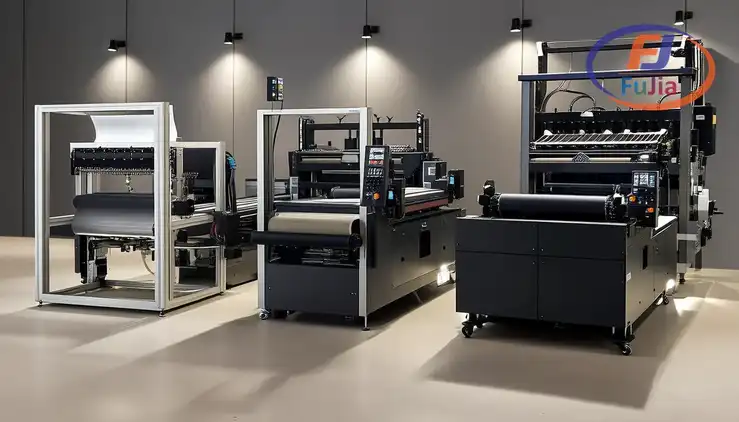
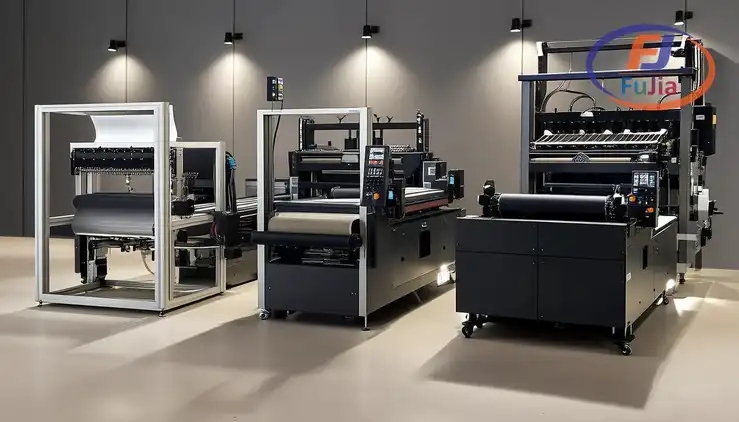
A digital textile printing machine prices at $14,000-30,000 for entry polyester roll systems, $30,000-60,000 for dual-chemistry mid class, and $60,000-90,000-plus for production platforms with integrated fixation, and the sticker is only the first line of a cost model whose ink, fabric handling, and fixation lines decide the real number. The category spans craft-to-production scale, and the price conversation makes sense only against the buyer’s weekly meters, because the machine is a utilization instrument. This guide prices the classes, runs the per-meter costs, and does the volume math that times the purchase.
Key Takeaways
- Entry polyester roll systems run $14,000-30,000 (about 1.9 m (1900 mm) max bed width), dual-chemistry mid class $30,000-60,000, and production with fixation $60,000-90,000-plus.
- Running costs price at $1-4 per meter in ink depending on coverage and chemistry, plus fabric at $2-15 per meter.
- The ownership crossover against service printing sits near 100-300 m weekly, depending on chemistry and service rates.
- Fixation, steamer for reactive, calender for pigment, is the hidden line that entry budgets miss.
- We recommend the service route below the crossover and the entry class above it, sizing to weekly meters rather than ambitions.
The Machine Classes and Their Prices
| Class | Price band | Chemistry | Width | Serves |
|---|---|---|---|---|
| entry polyester roll | $14,000-30,000 | disperse/pigment | 1.6-1.9 m | decor, sportswear |
| dual-chemistry mid | $30,000-60,000 | pigment + reactive options | 1.8-2.2 m | fashion sampling, decor |
| production with fixation | $60,000-90,000+ | reactive with steamer | 1.8-3.2 m | contract fabric |
The class table is the price ladder, and the chemistry column explains it. Roll widths run 1.6 m to 3.2 m across the classes: polyester disperse printing is the simplest workflow and the cheapest entry, pigment adds multi-fabric flexibility, and reactive cotton demands the steam fixation step that production platforms integrate and entry machines outsource to service partners. The width column matters because 1.6 m covers apparel panels while 3.2 m serves wide home decor without seams, and buyers should price the width their product canon needs rather than the width that impresses, per the class logic our fabric printer guides document across the market.
The running-cost model in one view:
What the classes share is the running economics, because ink at $1-4 per m and fabric at $2-15 per m apply across every tier, and the machine choice moves the fixed costs while the variable costs move with the designs. The entry class prints the same meters as the production class at lower speed, and a buyer whose weekly meters fit the entry class’s capacity has no reason to buy the production class’s speed, which is the utilization honesty every equipment decision starts from.
The Running Costs That Outlive the Sticker
| Cost line | Range | Notes |
|---|---|---|
| ink per meter | $1-4 | by coverage and chemistry |
| fabric per meter | $2-15 | base material |
| fixation energy | $0.10-0.40 per meter | steamer or calender |
| maintenance per month | $100-400 | dampers, wipers, service |
| labor per meter | minutes | machine-tended |
The running-cost table is the model that outlives the sticker, and ink is its headline: heavy-coverage designs on absorbent fabrics spend toward $4 per meter while light coverage on coated polyester spends toward $1, and the RIP’s ink limits are a margin control as much as a quality control. Fixation, steaming at 102 °C for reactive prints and calender heat for pigment, is the line entry budgets miss, because reactive prints need steam fixation that entry machines do not include, and the service-partner steamer or the integrated production steamer is where that chemistry stage prices, per the consumable structures our consumables guides document for every ink class. Here’s the thing about hidden lines: they are only hidden in brochures, and they always show up in month one.
Maintenance prices modestly but consistently, 2-4 hours monthly in dampers, wipers, and service visits costing $100-400, and it scales with utilization rather than with the machine’s price tag. We recommend logging meters monthly against ink consumption, because the ratio catches both design drift and hardware leaks, and the same measured-consumption discipline our printer guides prescribe for every ink system applies to textile rolls identically.
The Volume Math: Service Versus Ownership
| Volume | Better route | Why |
|---|---|---|
| under 50 meters weekly | print service | no idle hardware |
| 50-150 meters weekly | entry class decision zone | crossover arithmetic |
| above 150 meters weekly | own entry or mid class | unit costs win |
| contract fabric production | production class | speed and fixation integrated |
The volume table runs the ownership crossover, and the service rates that anchor it run $12-35 per yard at the LA sampling tier and lower at volume offshore, which the owned machine beats on unit cost only when the meters flow steadily. At 100 meters weekly, service spending runs $1,500-4,000 monthly, and an entry machine at $20,000 repays inside 6-12 months at that consumption, while at 20 meters weekly the same machine idles toward never. We recommend running the crossover on your own service invoices, because the meters are already counted there, and the same crossover logic our Los Angeles printing guide applies to sampling versus production scales cleanly here. The invoices know the answer before the brochure does.
The second crossover is within ownership: entry class versus production class, decided by fixation needs and speed. Polyester-only buyers never need the steamer, and the entry class serves them indefinitely at a fraction of production pricing. Cotton and natural-fiber programs need reactive chemistry, and the fixation line pulls them toward the production class or toward service partnerships that steam for them, and the chemistry decision precedes the budget decision because the machines do not interchange.
The crossover in one view:
A decor-brand case we supply anchors the crossover: a home-decor label printing 120 m weekly through services, then buying an entry polyester roll machine at $24,000 when the service invoices crossed $3,500 monthly, repaying the hardware inside 7 months with fabric versatility the service menu could not match. The decision followed the invoices rather than the brochure, and the same invoice-driven timing our sourcing cases document across equipment classes decided it.
How much does a digital textile printing machine cost?
A digital textile printing machine costs $14,000-30,000 for entry polyester roll systems, $30,000-60,000 for dual-chemistry mid class, and $60,000-90,000-plus for production platforms with integrated steam fixation, with widths running 1.6-3.2 meters across the classes. Running costs add $1-4 per meter in ink plus fabric at $2-15 per meter, and maintenance runs $100-400 monthly. The ownership crossover against service printing sits near 100-300 m weekly, and below that line services print the same fabric without idle hardware, and the service invoices are the crossover arithmetic’s raw data. The full class ladder sits in our textile printer guides, and the weekly meters time the purchase. In our experience the invoices are the honest consultant here.
How to get fabric digitally printed?
Getting fabric digitally printed runs a five-step protocol: prepare designs at 150-300 dpi with exact repeats, order the printer’s fabric swatch card, print a swatch proof of your design, approve color under daylight, and release the yardage order to the approved file. Local services turn sampling around in 2-5 days at $12-35 per yard with no minimums, and offshore clusters print proven designs at $1.5-6 per meter at 200-2000 meter MOQs. The sampling-to-production structure lets designs fail cheaply locally and scale offshore, and the same protocol our Los Angeles printing guide details runs the entire industry.
How much is a digital textile printer?
A digital textile printer costs $14,000-30,000 at the entry polyester class, $30,000-60,000 for dual-chemistry machines covering cotton, and $60,000-90,000-plus for production systems with integrated fixation, and the buyer’s weekly meters rather than the brochure should pick the class. Ink runs $1-4 per meter and fabric $2-15, and the entry class serves polyester decor and sportswear indefinitely without the fixation line. Cotton programs carry the steamer decision, and service partnerships price it for buyers below the production class, per the chemistry-class logic our reactive dye guides document.
What is the best digital textile printing machine?
The best digital textile printing machine is the class matched to your chemistry and meters: entry polyester roll at $14,000-30,000 for decor and activewear, dual-chemistry at $30,000-60,000 for mixed-fabric fashion work, and production with fixation at $60,000-90,000-plus for contract cotton programs, verified by demo prints on your fabrics and a written parts-support answer. Machines within a class share heads and ink systems, and the vendor’s service is the differentiator that year one measures. Best is the sizing result your meters produce, per the verification logic our reviews guide applies across the category. We recommend the demo on your own fabric before any deposit, because class names hide chemistry differences that swatches reveal.
Verdict
Digital textile printing machine pricing runs $14,000-30,000 entry, $30,000-60,000 mid, and $60,000-90,000-plus production, with ink at $1-4 per meter and fixation as the hidden line that cotton programs must price, and the ownership crossover against service printing sitting near 100-300 meters weekly. Run the crossover on your own service invoices, let the chemistry decide the class before the budget does, and size to the meters you print rather than the meters you hope to. The machine is a utilization instrument, and the invoices are its user manual. To price a machine against your weekly meters and fabric list, contact Fujia Print with your volumes.
Sources
- Wikipedia: Digital textile printing: technology overview.
- Wikipedia: Reactive dye: cotton chemistry.
- AATCC: wash durability standards.
- Fujia Print apparel: fabric production cases.
