

A 60cm DTF printer factory builds the platforms that anchor shirt-scale DTF production: roll-fed 60 centimeter printers at $2,500-8,000 paired with powder shaker lines, forming the continuous architecture that 300-plus-shirt operations run on. The factory decision matters more at this format than at desktop tiers because shaker integration is a system engineering question, and the factory that builds printer-plus-shaker as one line understands the production problem its machines exist to solve. This page specs the platform tiers, the shaker pairing logic, and the factory vetting that production buyers run before deposits.
\n\n\n\n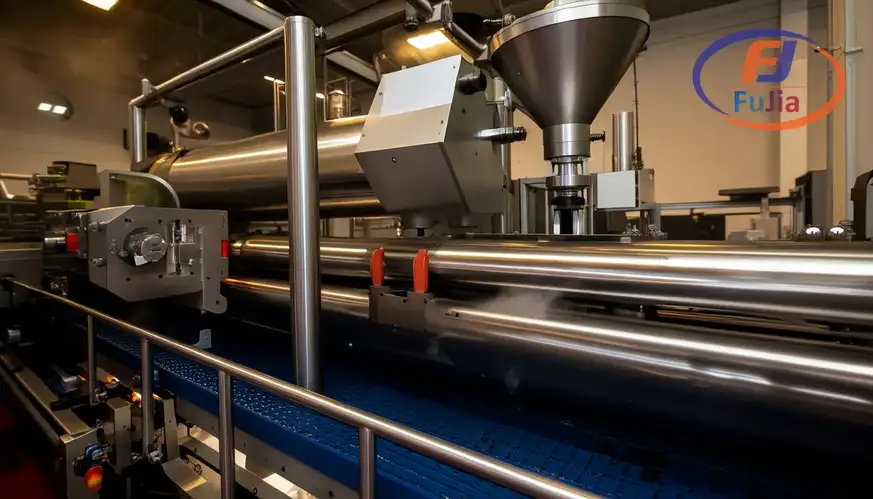
Key Takeaways
\n\n\n\n- \n\n\n
- Platform tiers: single-head XP600 at $2,500-4,000, dual-head XP600 at $3,500-5,500, i3200 dual at $5,000-8,000, all with native 60 cm roll feeding. \n\n\n
- Shaker pairing is the system question: powder shaker width must match or exceed film width, and throughput pairing prevents the shaker bottleneck. \n\n\n
- Production line output: single-head lines run 80-150 shirts hourly, dual-head 150-300, with the shaker and drying stages as the pacing stages. \n\n\n
- Factory vetting centers on line integration: factories that demo printer-plus-shaker as one workflow build systems, and factories that demo printers build boxes. \n\n\n
- We recommend buying the line as a system from one factory, because integration responsibility is what a production buyer actually purchases. \n\n\n
The Platform Tier Table
\n\n\n\nThe tier table prices 60 cm platforms by head configuration, and the feed method is the format feature that defines the class. Prices are factory-direct:
\n\n\n\n| Platform | \nHeads | \nSpeed | \nPrice band | \nFeed | \n
|---|---|---|---|---|
| Single-head XP600 | \n1x XP600 | \n60-100 shirts/hour | \n$2,500-4,000 | \n60 cm roll | \n
| Dual-head XP600 | \n2x XP600 | \n120-200 shirts/hour | \n$3,500-5,500 | \n60 cm roll | \n
| i3200 dual | \n2x i3200 | \n150-300 shirts/hour | \n$5,000-8,000 | \n60 cm roll | \n
The platforms on the factory floor:
\n\n\n\nThe roll feed is what separates this class from sheet-fed desktops, because continuous feeding is what shaker lines require and what production pacing assumes, per the platform architecture our apparel printing sourcing guides document across 60 cm operations.The dual-head XP600 tier is the working standard of shirt-scale production, because its throughput fills a shaker line honestly while its price leaves budget for the shaker itself, and the i3200 tier waits for volumes that two shifts justify.
\n\n\n\nShaker Pairing and the Line Logic
\n\n\n\nThe pairing table specs the shaker line that completes the production architecture, and the throughput matching is where line engineering happens:
\n\n\n\n| Line component | \nSpec to match | \nPacing role | \n
|---|---|---|
| Shaker width | \nat film width, 60 cm | \npowder coverage | \n
| Shaker throughput | \nat printer output | \nthe common bottleneck | \n
| Dryer capacity | \nat shaker output | \ncure completion | \n
| Output tray volume | \nat 15-30 min of run | \noperator cadence | \n
The integrated line in view:
\n\n\n\nWhen it comes to shaker pairing, the shaker paces the line because printing outruns powdering whenever the two are mismatched. A factory that demos printer and shaker as one integrated system has already solved the sizing question its customer would otherwise discover at install. Roll feeding also standardizes print-to-powder timing, since sheet workflows pause between sheets and pause patterns confuse powder coverage, per the line-integration logic our DTF production cases document across shaker operations. We recommend buyers audit the factory’s own demo line configuration, because the demo that runs continuously for an hour is the honest spec sheet.
\n\n\n\nFactory Vetting and the Integration Checklist
\n\n\n\nThe vetting table runs the checks that separate line builders from box shippers, and every step verifies on a live video call:
\n\n\n\n| Vetting item | \nLine-builder evidence | \nBox-shipper evidence | \n
|---|---|---|
| Line demo | \nprinter-shaker running continuous | \nprinter alone, sheet-fed | \n
| Integration docs | \nwiring and setup guides | \nboxes and cables | \n
| Shaker in catalog | \nown shaker product line | \npartner shaker unnamed | \n
| Production reference | \nrunning line named | \ncatalog claims | \n
| Parts stocking | \nshaker parts stocked | \nprinter parts only | \n
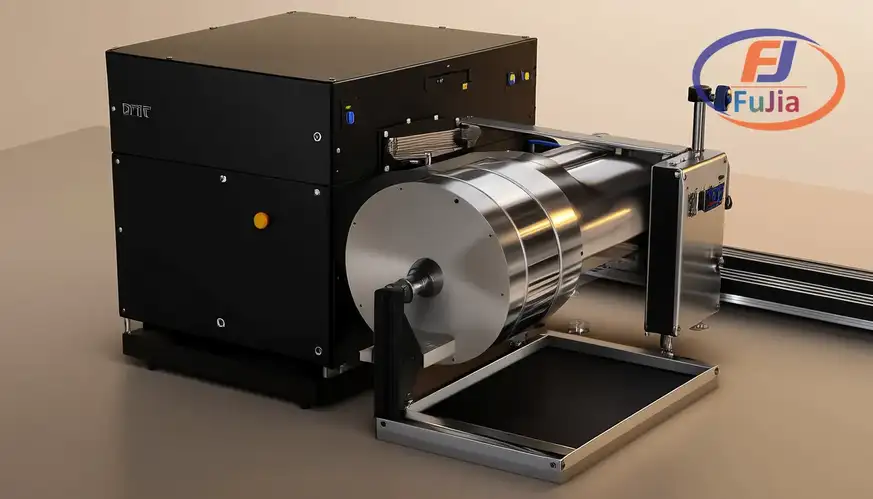
The vetting in practice:
\n\n\n\nWe recommend the continuous one-hour line demo as the deposit gate, because integration problems surface inside the first hour of continuous running that thirty minutes of sheet-fed printing never touches, per the verification protocol our production-line cases apply across DTF sourcing. Payment through trade assurance with milestone terms converts remaining risk into recoverable form, and the shaker-parts stocking question reveals whether the factory supports the line or just the printer. Production references are the closing check. A factory that names a running line at your target volume has built the architecture you are buying before you buy it, and that reference is worth more than any warranty page.
\n\n\n\n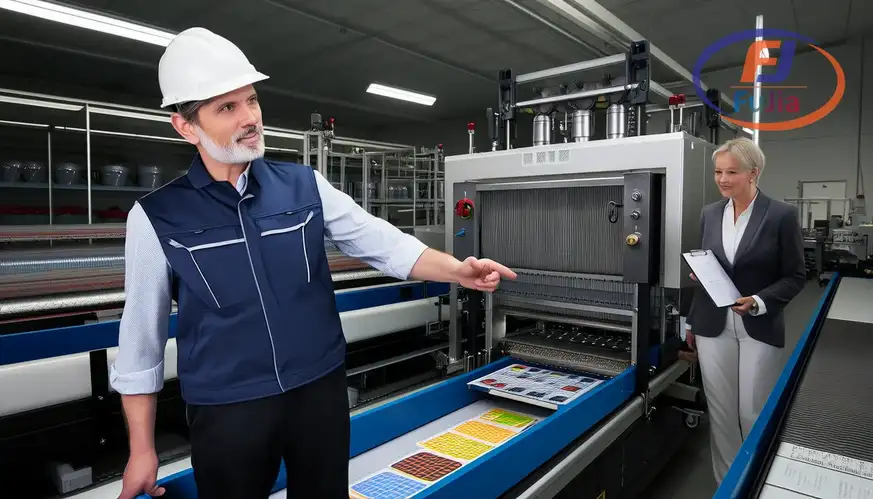
What is a 60cm DTF printer?
A 60cm DTF printer is a roll-fed production platform printing on 60-centimeter film at $2,500-8,000 by head configuration, from single-head XP600 units at 60-100 shirts hourly to dual-head i3200 machines at 150-300 shirts hourly. The 60 cm roll feed is the format feature that pairs with powder shaker lines for continuous production, and the class anchors shirt-scale DTF operations past 300 shirts monthly. Platform choice follows head economics. XP600 serves working volumes, and i3200 head life of 12-24 months pays its premium at two-shift duty where head replacement downtime prices into the ledger.
How much does a 60cm DTF printer setup cost?
A 60cm DTF printer setup costs $2,500-4,000 for a single-head XP600 platform, $3,500-5,500 for dual-head XP600, and $5,000-8,000 for i3200 dual-head machines, with integrated shaker lines adding $2,000-6,000 depending on width and drying capacity. The complete production line totals $4,500-14,000, and matching shaker throughput to printer output is the sizing decision that prevents the line’s most common bottleneck. Factory-direct pricing drives these bands, and complete-line purchases from one factory bundle integration support that separate purchases cannot.
What is the largest DTF printer available?
The largest DTF printers available run 60 cm film width as the production standard, with wider experimental formats at 1.2 to 1.8 meters existing in industrial lines but serving niche single-pass applications rather than shirt production. The 60 cm class dominates because it nests standard garment fronts efficiently, pairs with shaker lines at working widths, and ships at manageable freight weights. Buyers needing more width than 60 cm are usually better served by multiple parallel 60 cm lines, which preserve the shaker pairing architecture that production depends on.
How do I choose a 60cm DTF printer factory?
Choose a 60cm DTF printer factory by five checks: a continuous one-hour demo of printer-plus-shaker running as an integrated line, integration documentation covering wiring and setup, the factory’s own shaker product line rather than an unnamed partner unit, a named production reference running at your target volume, and shaker-parts stocking alongside printer parts. The continuous running demo is the deposit gate. Integration problems surface in the first hour of continuous duty, and the demo that runs a full hour is the honest spec sheet no catalog page can replace. Payment through trade assurance with milestone terms completes the protection.
Verdict
\n\n\n\nThe 60cm DTF printer factory builds the production architecture that shirt-scale operations run on: roll-fed platforms at $2,500-8,000 paired with shaker lines as one integrated system, single-head tiers at 60-100 shirts hourly and i3200 duals at 150-300, with the shaker sizing question the line engineering that separates working installations from bottlenecked ones. The factory vetting centers on the continuous one-hour line demo, integration documentation, and shaker-parts stocking, because production buyers purchase a system rather than a box. Buy the line from the builder who demos the line, match the shaker to the head count, and let the continuous hour be the test. For integrated 60 cm lines with matched shaker pairings, contact Fujia Print for factory-side system quotes.
\n\n\n\nSources
\n\n\n\n- \n\n\n
- Epson industrial printheads: XP600 and i3200 head specifications. \n\n\n
- Wikipedia: Direct-to-film printing: production process chain. \n\n\n
- Wikipedia: Assembly line: production line integration principles. \n\n\n
- Fujia Print production-line cases: 60cm line installations and vetting. \n\n\n
