

DTF powder OEM puts your brand on TPU hot-melt adhesive powder from Chinese chemistry mills at $3.5-8 per kilo, with private-label packaging from 50-100 kilo MOQs, mesh size and melt point specifications you control in writing, and the batch consistency of the mill inheriting your brand’s reputation. The OEM route differs from distributor buying in the same way it does across consumables: the spec sheet becomes the contract, and the vetting is a chemistry conversation rather than a price negotiation. This page prices the private-label ladder, lists the spec lines that matter, and documents the mill vetting that keeps your label on qualified powder.
\n\n\n\n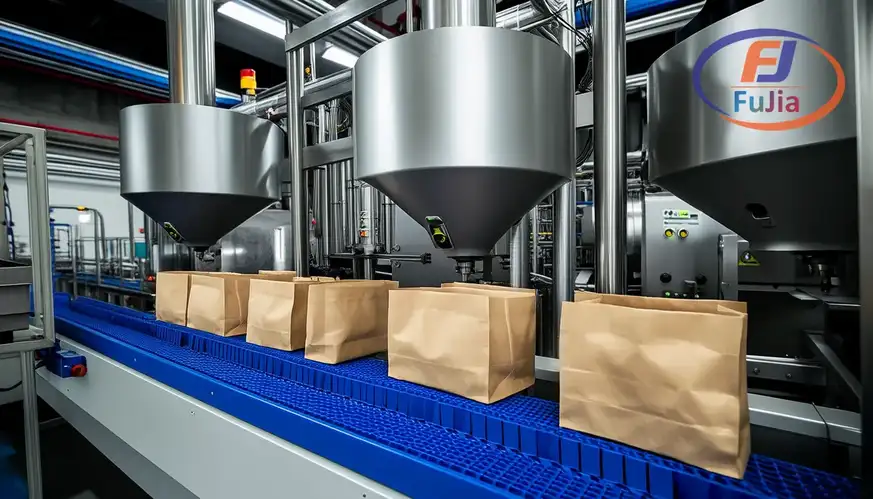
Key Takeaways
\n\n\n\n- \n\n\n
- OEM pricing: $4.5-6.5 per kilo at 100-500 kilo MOQs, $3.5-5 at ton-scale contracts, and private-label packaging adds $0.30-0.80 per kilo. \n\n\n
- Spec lines to control: TPU purity, mesh size at 80-170 micron, melt point at 110-130 °C, and moisture tolerance, all in writing with tolerance bands. \n\n\n
- MOQ ladders run 25-50 kilo trials, 100-500 kilo standard OEM, and ton-scale contracts with custom mesh development available. \n\n\n
- Packaging options span zip bags, sealed cartons, and branded pails, with barrier packaging adding shelf stability in humid markets. \n\n\n
- We recommend starting OEM with a 25-50 kilo trial under your own melt-and-wash protocol, because the brand label changes nothing about chemistry and the testing changes everything. \n\n\n
The OEM Pricing Ladder
\n\n\n\nThe ladder table prices private-label powder by commitment, and the packaging line is the only addition over distributor buying. Figures are 2026 factory-direct:
\n\n\n\n| Commitment | \nMOQ | \nPrice per kilo | \nPackaging | \n
|---|---|---|---|
| Trial branding | \n25-50 kilo | \n$6.5-9 | \nzip bags, plain label | \n
| Standard OEM | \n100-500 kilo | \n$4.5-6.5 | \nbranded bags and carton | \n
| Ton-scale contract | \n1,000+ kilo | \n$3.5-5 | \nOEM pails, custom mesh | \n
The powder line in production:
\n\n\n\nThe pricing ladder mirrors TPU resin economics: distributor tiers carry two margins that OEM strips, and the mill’s own brand sits between, per the private-label economics our consumables sourcing guides document across adhesive categories.The 25-50 kilo trial is the rational entry, because it prices the brand experiment at $160-450 total, and a brand that cannot move 25 kilos of powder has learned the market answer for less than any marketing test would cost.
\n\n\n\nThe Spec Lines That Matter
\n\n\n\nThe spec table lists the powder properties your OEM contract should control, and every line carries a tolerance band the mill can hold or cannot:
\n\n\n\n| Spec line | \nControl range | \nWhy it matters | \n
|---|---|---|
| TPU purity | \n100 percent or declared blend | \nfiller cuts wash life | \n
| Mesh size | \n80-170 micron, banded | \ndetail vs bonding mass | \n
| Melt point | \n110-130 °C, banded | \npress workflow match | \n
| Moisture tolerance | \nsealed to 50-65% RH | \nclumping prevention | \n
| Batch documentation | \nper-batch records | \nreorder consistency | \n
The spec in writing:
\n\n\n\nWhen it comes to the spec sheet, it is the bridge between what your label promises and what the mill coats. Tolerance bands convert chemistry promises into measurable contract lines, per the spec-control discipline our private-label cases apply across consumables programs. The batch documentation line deserves emphasis because powder formulas drift between production runs like ink formulas do. A mill that records every batch is a mill whose drift your testing can catch. We recommend the archived wash standard as the OEM buyer’s working document, because every reorder argument resolves against a pressed-and-washed sample rather than against memory.
\n\n\n\nMill Vetting and the Trial Protocol
\n\n\n\nThe vetting table runs the checks that separate chemistry mills from powder repackagers, and the trial protocol that follows prices the relationship before it commits:
\n\n\n\n| Vetting item | \nMill evidence | \nRepackager evidence | \n
|---|---|---|
| Formulation capability | \nengineers discuss TPU grades | \nsales quotes only | \n
| Batch records | \nper-batch spec sheets | \nmissing or generic | \n
| Facility | \nmixing and sieving visible | \nwarehouse only | \n
| Test acceptance | \nwelcomes melt-wash protocol | \nresists testing | \n
| OEM references | \nexisting brands named | \nconfidential everything | \n
The trial protocol in practice:
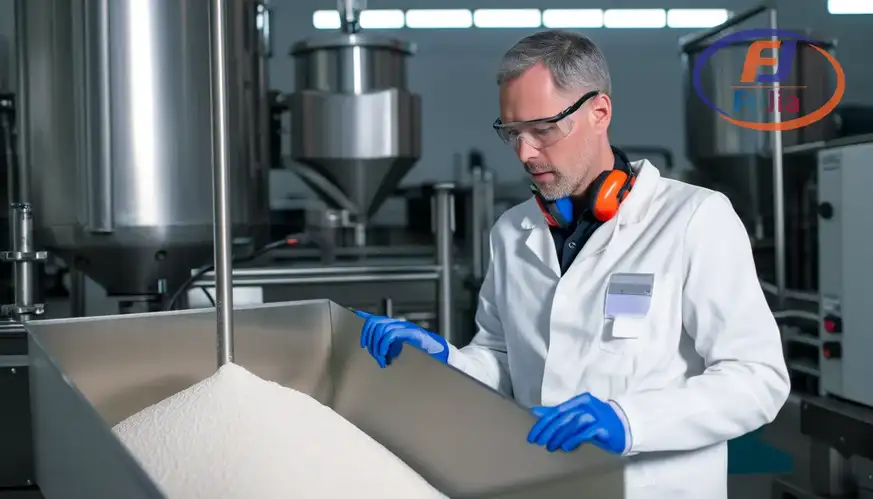
\n\n\n\nWe recommend the melt-and-wash trial as the vetting event: press identical transfers with the OEM sample and your current powder, wash both 5 cycles at 40 °C, and let the edge bonding choose the relationship, per the qualification logic our powder sourcing cases apply across DTF programs. Payment through escrow with milestone terms converts remaining risk into recoverable form, and the OEM references question screens fastest because mills with existing brands volunteer them. The deepest vetting signal is formulation capability. A mill whose engineers discuss TPU grades and melt bands owns its chemistry, and one whose sales team quotes prices from a list does not.
\n\n\n\n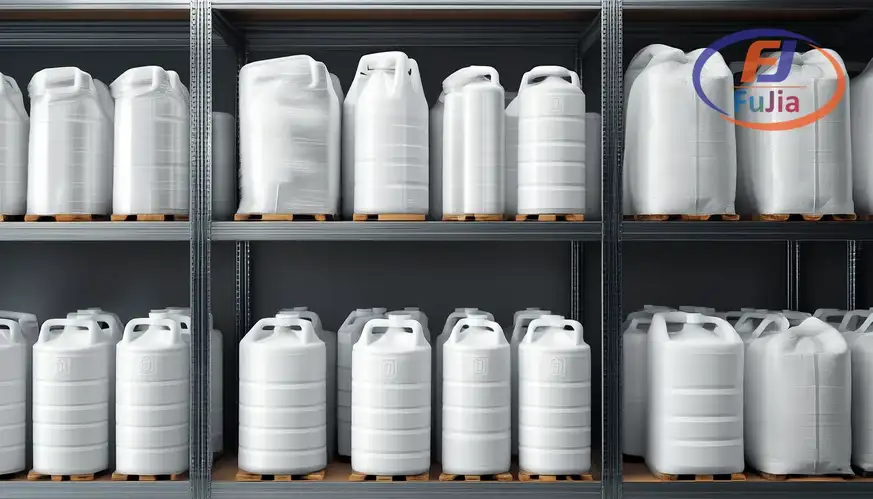
What is DTF powder OEM?
DTF powder OEM is private-label sourcing where a Chinese TPU chemistry mill manufactures hot-melt adhesive powder to your specification and ships it in your branded packaging from 25-50 kilo MOQs at $4.5-9 per kilo. The contract controls TPU purity, mesh size at 80-170 microns, melt point at 110-130 °C, and moisture tolerance, with batch documentation making reorder consistency measurable. The label changes nothing about the chemistry, and the vetting protocol is what protects the brand the label carries.
How much does OEM DTF powder cost?
OEM DTF powder costs $6.5-9 per kilo at 25-50 kilo trial MOQs, $4.5-6.5 at 100-500 kilo standard OEM terms, and $3.5-5 at ton-scale contracts, with private-label packaging adding $0.30-0.80 per kilo. The ladder strips distributor margins from retail powder pricing of $20-40 per kilo, and the 25-kilo trial prices a brand experiment at $160-450 total. Prices below $3.5 per kilo at scale deserve TPU purity verification, because filler-blended powder presses fine and fails in the wash.
What MOQ do Chinese powder mills require?
Chinese DTF powder mills require 25-50 kilos for trial private-label branding, 100-500 kilos for standard OEM terms with branded packaging, and ton-scale commitments for custom mesh development or exclusive formulations. Below the trial MOQ, mills direct buyers to distributor channels because packaging setup exceeds small-order economics. The trial tier exists because brands should prove market fit under their own wash testing. The mill invests in branded packaging lines and spec development only after the testing proves the relationship, and that sequencing is what keeps both sides honest.
How do I vet a DTF powder mill?
Vet a DTF powder mill through five checks: engineers who discuss TPU grades and melt bands instead of sales staff quoting prices, per-batch spec sheets documented on every shipment, a live facility tour showing mixing and sieving lines, acceptance of your melt-and-wash test protocol with identical transfers, and existing OEM brand references willing to confirm consistency. The melt-and-wash trial is the qualifying event, pressing identical transfers with the OEM sample and washing both 5 cycles at 40 °C. Order a 25-50 kilo trial under your own testing before any ton-scale commitment puts your brand on someone else’s chemistry.
Verdict
\n\n\n\nDTF powder OEM puts your brand on Chinese TPU mill output at $3.5-9 per kilo across the MOQ ladder, with TPU purity, mesh size, and melt point as the spec lines your contract controls, and the mill’s batch discipline as the consistency your label inherits. The vetting checklist of formulation engineers, batch documentation, visible sieving lines, and melt-and-wash acceptance separates chemistry mills from repackagers in one conversation, and the 25-50 kilo trial under your own testing prices the brand experiment before any scale commitment. Spec with tolerance bands, archive the wash standard, and audit every batch. For vetted powder mill introductions and spec templates, contact Fujia Print for OEM sourcing support.
\n\n\n\nSources
\n\n\n\n- \n\n\n
- Wikipedia: Thermoplastic polyurethane: TPU chemistry fundamentals. \n\n\n
- Wikipedia: Direct-to-film printing: powder’s role in the chain. \n\n\n
- Wikipedia: Private label: OEM model basics. \n\n\n
- Alibaba trade assurance: OEM payment protection. \n\n\n
- AATCC wash test standards: durability protocols. \n\n\n
- Fujia Print powder sourcing cases: OEM programs and vetting protocols. \n\n\n
