

Sublimation printer paper is a coated transfer medium, not stationery: a dye-receptive layer captures printed dye, holds it until the press, and releases it as gas at 180-200 °C, and the difference between a $12.99 economy sheet and a $57.95 premium one is coating chemistry, transfer rate, and lot consistency. This guide explains what the coating actually does, prices the 2026 grades from craft to engineered, and matches paper weight and type to the blanks and presses beginners and production shops actually run. Paper is the cheapest supply in the workflow and the one most often blamed for mistakes it did not make.
\n\n\n\n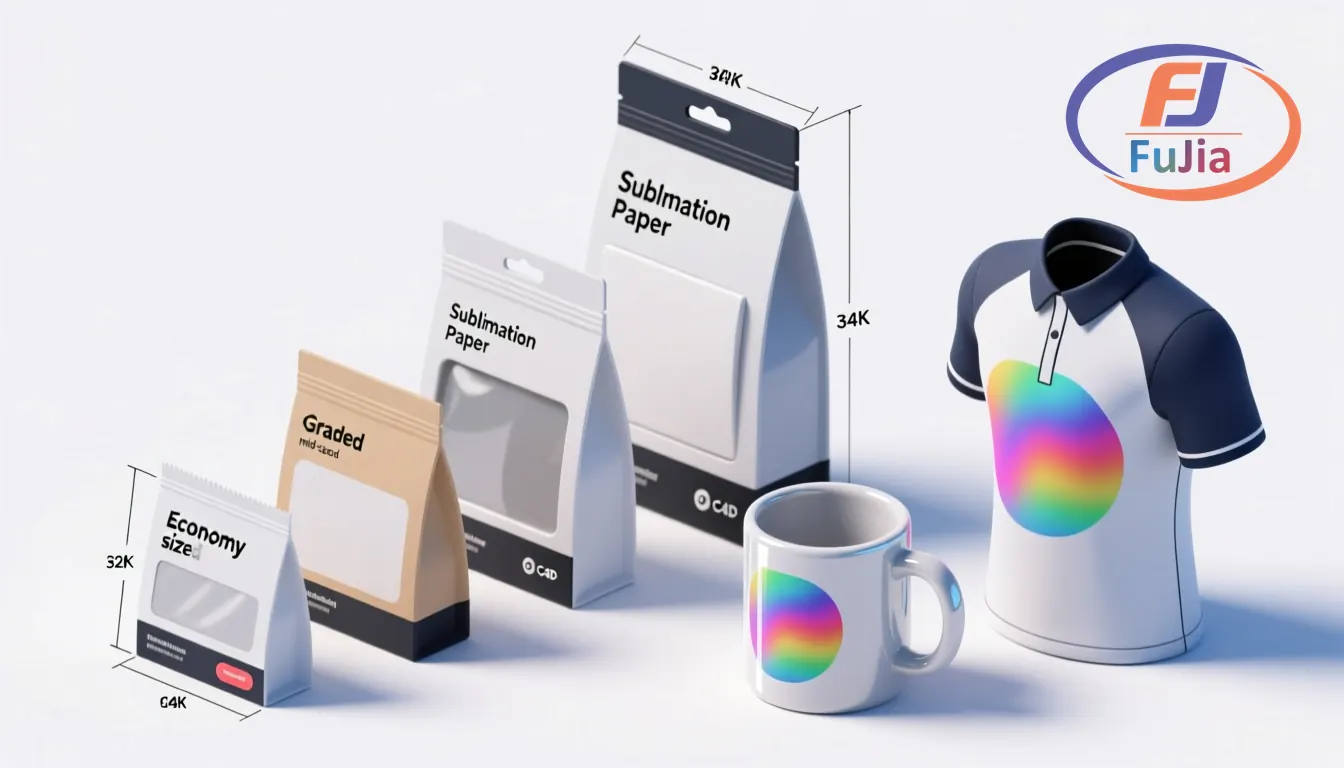
Key Takeaways
\n\n\n\n- \n\n\n
- Real 2026 pricing: craft-retail packs run $12.99-19.49 (Cricut, Make Market, Printers Jack), mainstream 110-sheet A-SUB runs $19.99, and premium engineered paper like Brother’s runs $48.95. \n\n\n
- The 100-125 gsm ladder: 100-105 gsm economizes on hard blanks, 120-125 gsm carries dense photographic ink loads for apparel and panels, and the weight should match the ink load rather than the marketing. \n\n\n
- Coating quality shows up as transfer rate and lot consistency: premium papers publish transfer rates above 95%, economy grades land in the 80s, and the gap is color depth on every dark-heavy design. \n\n\n
- Paper must match printer class: any inkjet converts for sublimation duty on sublimation paper, but laser printers cannot, and papers engineered for dye inks smear under toner heat. \n\n\n
- Most “bad paper” complaints trace to press settings, moisture, or blank coating rather than the sheet, so isolate variables with a controlled test before replacing stock, and the sublimation paper bulk guide covers the storage side in depth. \n\n\n
What the Coating Actually Does
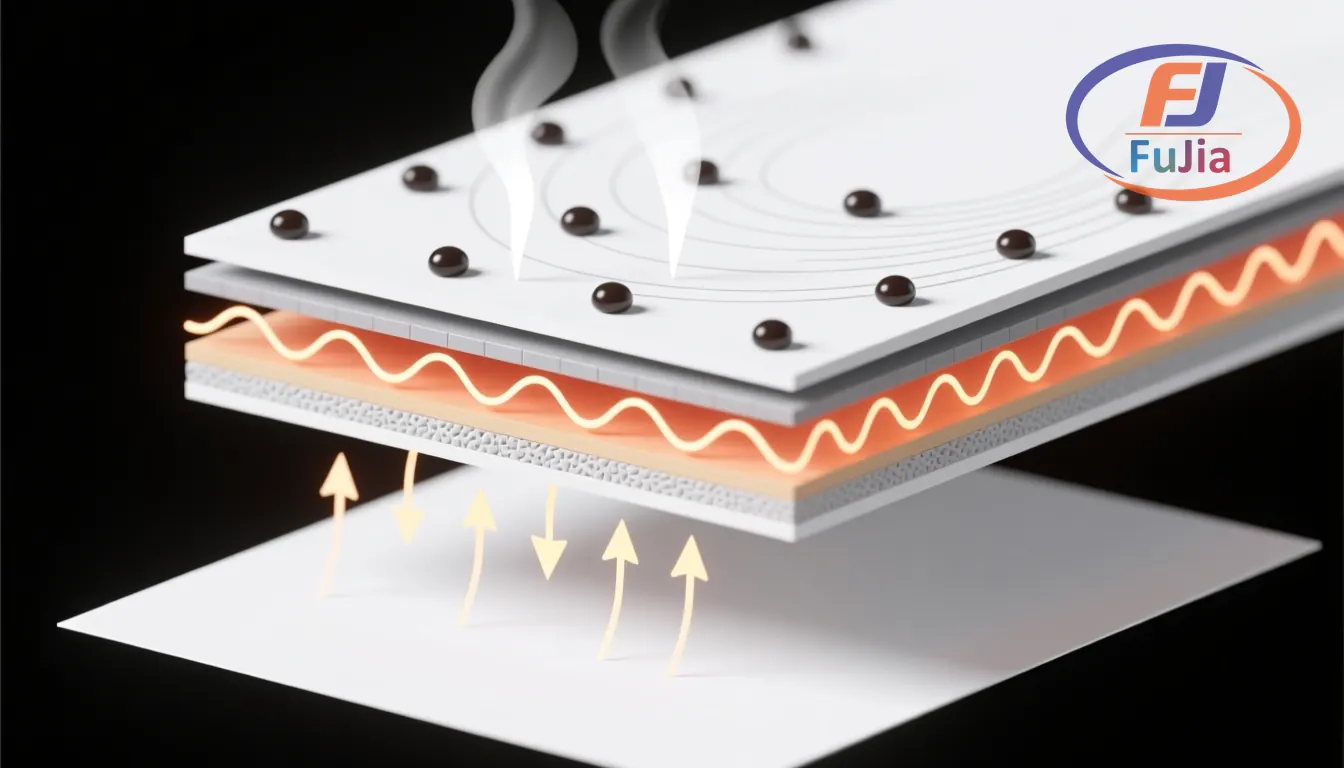
\n\n\n\nThe paper is a temporary trap for dye, and the trap quality is the product. Its receptive layer absorbs printed sublimation ink on contact, holds the dye at the surface through drying and handling, then releases it fully as gas under press heat so the polymer-coated blank can capture it. Cheap paper under-delivers at every stage: weak absorption lets ink pool and smear, weak retention allows dye loss before pressing, and incomplete release strands color in the sheet that never reaches the blank. Premium engineering inverts those failures, which is why engineered papers publish transfer rates above 95% while economy grades land in the 80s.
\n\n\n\nThe two-sided coating detail matters more than listings admit. Quality sublimation paper coats both faces, one tuned to receive ink and the other to resist it, so the printed side is unambiguous and sheets feed without jamming. Single-side-coated economy sheets require a mark-the-back ritual, and printing on the wrong face produces a smeared ghost that wastes both paper and blank. Paper choice also affects wash life indirectly: fuller dye transfer means more dye in the blank’s polymer, and more dye in the polymer survives 50-plus wash cycles.
\n\n\n\nThe GSM Ladder and 2026 Prices
\n\n\n\n| Grade | \nWeight | \n2026 price | \nTransfer rate | \nBest for | \n
|---|---|---|---|---|
| Craft retail | \n105-120 gsm | \n$12.99-19.49 | \n80s | \npractice, gifts | \n
| Mainstream | \n120-125 gsm | \n$19.99/110 sheets | \nhigh 80s-low 90s | \ndaily production | \n
| Engineered premium | \n105-125 gsm | \n$48.95+ | \n95%+ | \ngallery, photo panels | \n
The grade ladder prices chemistry, and the right rung depends on ink load rather than budget reflexes. Hard blanks, coated mugs, coasters, and MDF, absorb dye efficiently and rarely justify premium paper, so mainstream 120 gsm sheets at $19.99 per 110 serve daily production honestly. Apparel and photo panels carry dense, dark-heavy designs where every percentage point of transfer rate shows in shadow detail, and 125 gsm premium stock earns its $48.95 pricing there.
\n\n\n\nWeight interacts with press format in ways beginners discover mid-run. When it comes to storage, most ‘defective paper’ is just damp paper. Heavy 125 gsm sheets resist curl inside mug presses and flat presses alike, which is why they are the apparel standard, while lighter 100-105 gsm sheets dry faster and feed more reliably through high-volume printers. Store every grade sealed and flat: sublimation coating is hygroscopic. A curling sheet from a humid shelf misfeeds printers and lifts from blanks mid-press, failures that get blamed on everything except the storage.
\n\n\n\nMatching Paper to Blanks and Presses
\n\n\n\nThe matching rules are few and mechanical, and they all point back to the platform in our sublimation printers lineup that feeds the paper. Print-side discipline comes first: print on the brighter white coated face, mark the back if the sheet is single-coated, and mirror every design because the transfer flips it onto the blank. Temperature and time follow the blank, not the paper: 180 °C for 60 seconds covers ceramic and most textiles, 385 °F (196 °C) for 45-60 seconds covers coated wood, and the paper’s job is identical in every case, hold and release.
\n\n\n\nA mug brand we supply runs the matching discipline at production scale: 60-plus full-color SKUs and 5,000-plus mugs monthly, with paper lots tested once on arrival and matched to an ink pipeline that holds color across batches. Paper is one component of a transfer system rather than a standalone variable, and the brand’s supplier relationships treat it that way. The brand’s history also shows the learning-curve value of cheap paper: early practice runs on craft-tier sheets taught tape tension and press timing on sacrificial blanks, and the premium stock entered only when the catalog demanded photographic depth. That sequence, cheap paper for learning, premium paper for products, is the honest consumption path for every new shop.
\n\n\n\n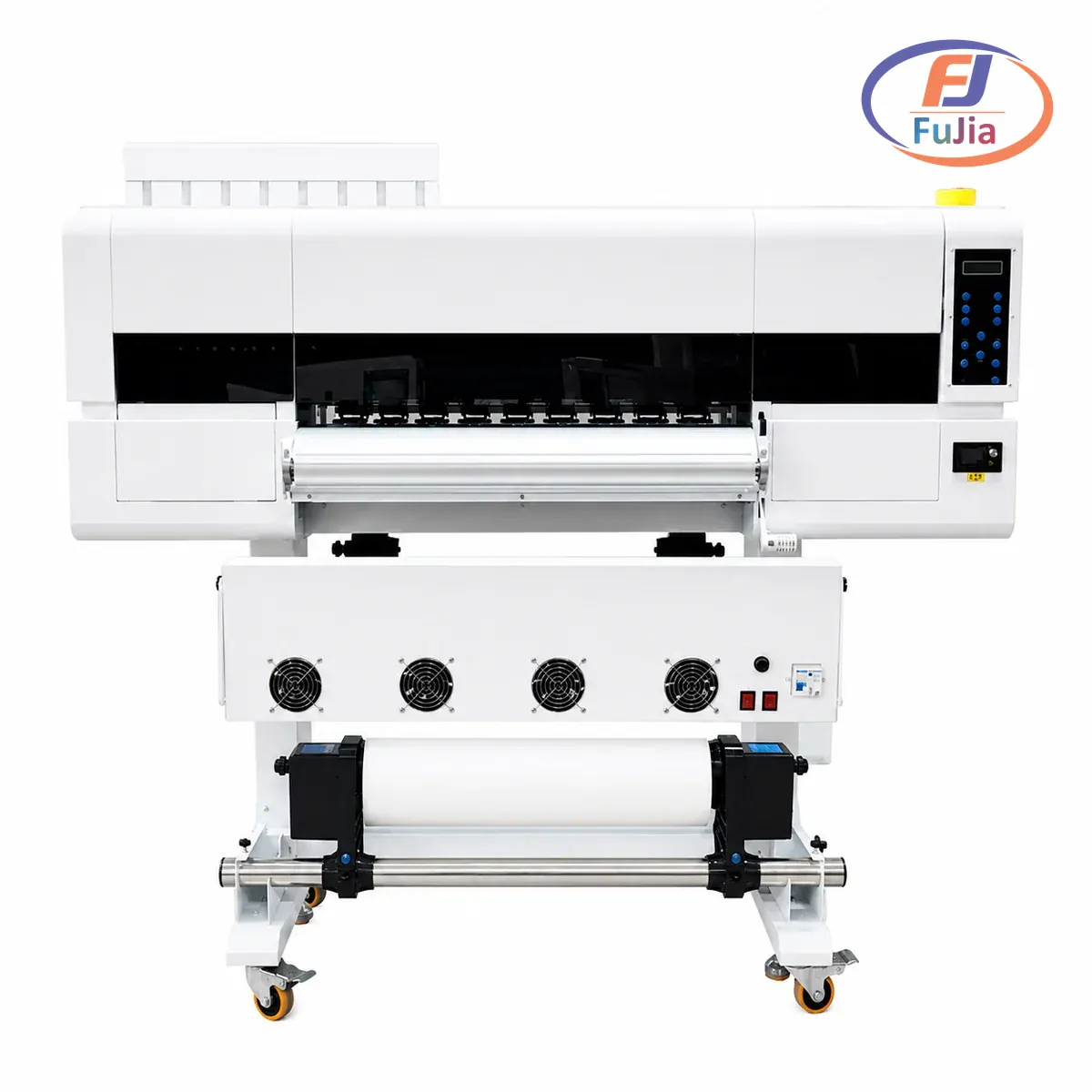
What paper to use for sublimation printing?
\u003cp\u003eUse paper specifically coated for sublimation: mainstream 120-125 gsm sheets like A-SUB at $19.99 per 110 cover daily production, premium engineered stock at $48.95-plus serves photographic work, and craft-retail packs at $12.99-19.49 suit practice. The coating is the product, it captures and releases dye, so plain copy paper, butcher paper, and generic photo paper cannot substitute. Match the grade to your ink load, and let wash tests on your own blanks make the final call.\u003c/p\u003e
Can a regular printer print on sublimation paper?
\u003cp\u003eA piezo inkjet printer dedicated to sublimation ink prints sublimation paper perfectly, which is every converted EcoTank and purpose-built sublimation machine; the paper itself feeds through any inkjet. A regular printer still running standard dye ink prints sublimation paper uselessly, because the dye chemistry is what transfers. Laser printers cannot sublimate at all, and the printer must be dedicated to sublimation ink permanently before its output on sublimation paper means anything, because chemistry cross-contamination is not reversible.\u003c/p\u003e
Can I print sublimation at home?
\u003cp\u003eYes, home sublimation is a complete workflow for a few hundred dollars: a converted EcoTank at $199.99 or purpose-built F170 at $399-484.99, sublimation paper at $19.99, a heat press from $99, and coated blanks to practice on. Press settings run 180 °C for 60 seconds on ceramic or 385 °F on textiles. Work in a ventilated space, and start on light-colored polyester blanks where sublimation ink reads true. The home workflow produces the same permanent prints as commercial shops at hobby volumes, and it is where most production shops quietly began.\u003c/p\u003e
Can I turn my regular printer into a sublimation printer?
\u003cp\u003eYes, for piezo inkjet printers dedicated permanently to sublimation ink: convert an EcoTank by filling its tanks with sublimation ink and the machine becomes a sublimation printer for life, at the cost of voiding its warranty. Printers that have run regular dye ink cannot convert, because residual chemistry contaminates sublimation ink and clogs heads. Laser printers cannot convert at all. The conversion is the community-validated budget path into sublimation, trading warranty protection for roughly $200 of hardware savings.\u003c/p\u003e
Verdict
\n\n\n\nSublimation printer paper is graded chemistry, not commodity stationery: $12.99-19.49 craft sheets teach the workflow, $19.99 mainstream 120-125 gsm stock runs daily production honestly, and $48.95-plus engineered paper earns its price on photographic ink loads where transfer rate is visible. Print on the coated face, store sheets sealed, isolate press variables before blaming paper, and upgrade grades only when your blanks show the difference. To review paper matched to a production ink system at factory pricing, contact Fujia Print for lot-tested samples.
\n\n\n\nSources
\n\n\n\n- \n\n\n
- A-SUB sublimation paper: mainstream grade specifications. \n\n\n
- Cricut sublimation paper: craft-tier reference. \n\n\n
- Wikipedia: Dye-sublimation printing: transfer chemistry. \n\n\n
- AATCC: wash durability testing standards. \n\n\n
