

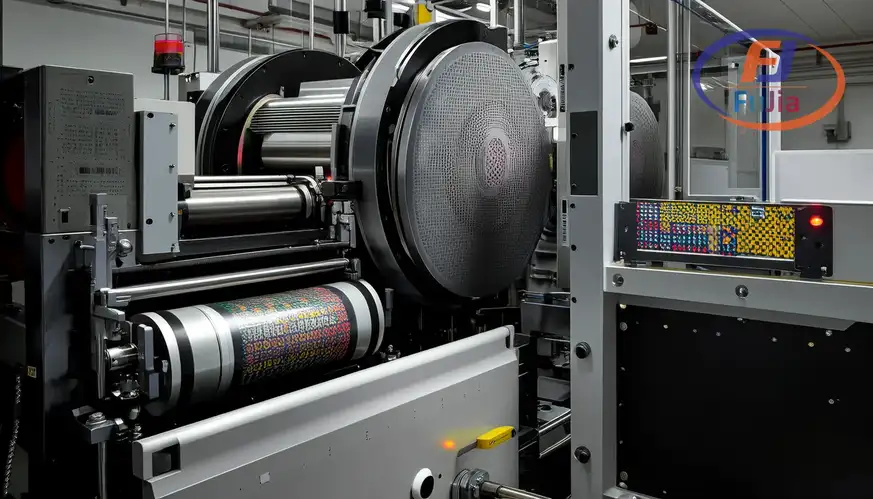
A flexographic printing machine supplier sells presses that run $30,000-120,000 for narrow-web label machines and $200,000-500,000-plus for wide-web CI presses, and the supplier relationship carries the purchase as much as the hardware does, because a flexo press is installation, plates, anilox inventory, and operator training wrapped in steel. The buyer arriving from digital printing inherits a different economics, plate costs amortized over long runs, and the supplier who explains that honestly is the one worth shortlisting. This guide maps the press classes, the vetting checklist, and the buyer math from quote to running production.
Key Takeaways
- Narrow-web label presses run $30,000-120,000, mid-web packaging presses $120,000-300,000, and wide-web CI presses $200,000-500,000-plus.
- The architecture choice is CI versus stack versus inline, each fitting different repeat lengths and job mixes.
- Vetting is reference-first: two live customers running your job type, a trial run on your artwork, and parts-support terms in writing.
- Lead times run 3-9 months new, and installation plus training adds 2-6 weeks before sellable output.
- We recommend buying the supplier’s service radius as carefully as the press, because flexo uptime is a parts-logistics business.
The Press Classes and Their Markets
| Class | Web width | Price band | Typical work |
|---|---|---|---|
| narrow-web label | 250-550 mm | $30,000-120,000 | labels, flexible packaging |
| mid-web packaging | 600-1,000 mm | $120,000-300,000 | pouches, wraps |
| wide-web CI | 1,000 mm-plus | $200,000-500,000-plus | film, paper, foil runs |
The class table is the market’s shape, and the narrow-web row is where most new flexo buyers enter: label and flexible-packaging work on machines that fit a mid-size shop and pay back on steady label contracts. Mid-web and wide-web CI presses serve packaging producers whose volumes justify central-impression drums and their price, and the buyer climbs into that tier on contract paper rather than ambition, per the volume logic our label printing guides document across packaging work.
Architecture is the second decision inside every class. Central-impression drums hold tight registration across many stations on thin films, stack presses trade some registration for versatility and access, and inline presses modularize for finishing integration, and the job mix, repeat lengths, substrates, and finishing needs, picks the architecture rather than the brochure. We recommend writing your last twelve months of hypothetical jobs before the supplier conversations, because the architecture that fits the real job mix is the one the references should be running.
Vetting a Flexo Supplier
| Check | What to request | Red flag |
|---|---|---|
| live references | two customers on your job type | brochure names only |
| trial run | your artwork on the actual press | catalog samples only |
| parts terms | anilox, plates, spares in writing | “we handle everything” |
| installation plan | timeline, training scope | vague delivery date |
| service radius | engineer dispatch terms | phone support only |
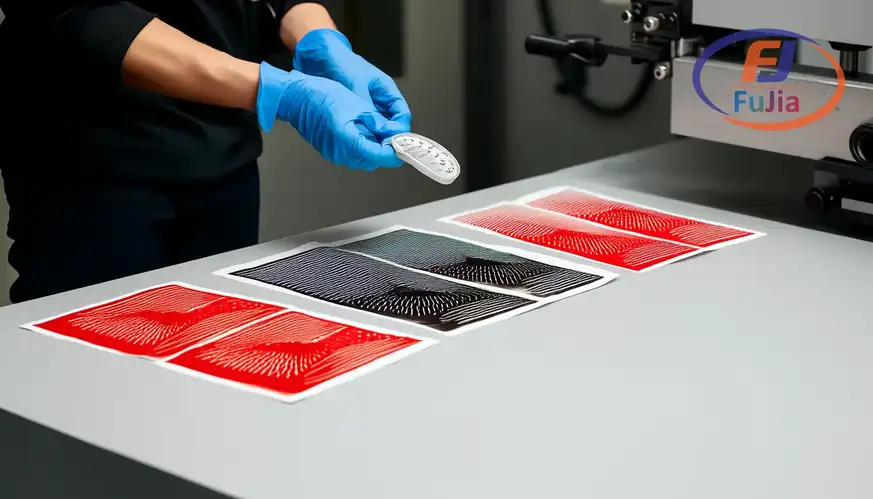
The vetting table is reference-first because flexo is an operator culture as much as a machine: the supplier’s existing customers running your job type are the only preview of your year one. The trial run on your artwork prices color expectations honestly, flexo’s dot gain and ink behavior surprise digital-native buyers, and a supplier confident in the press runs your job on demand. Parts terms in writing protect the press’s uptime, because anilox rollers and plate sets are consumables with lead times, and the supplier’s spares inventory is part of the machine. Service radius converts to hours of downtime, and the engineer-dispatch terms belong in the quote rather than in the handshake, per the supplier-vetting discipline our sourcing guides apply across capital equipment.
The plate and anilox ecosystem is the vetting chapter digital buyers skip. Flexo prints from photopolymer plates carried on cylinders, and anilox rollers meter the ink in cells measured in lines per inch, so the supplier conversation includes who plates your jobs, at what cost and lead time, and which anilox investments the press requires on day one. A supplier that bundles a plate program with the press is selling a workflow, and that bundle often beats a cheaper press plus a stranger’s plate house.
Lead Times, Installation, and Going Live
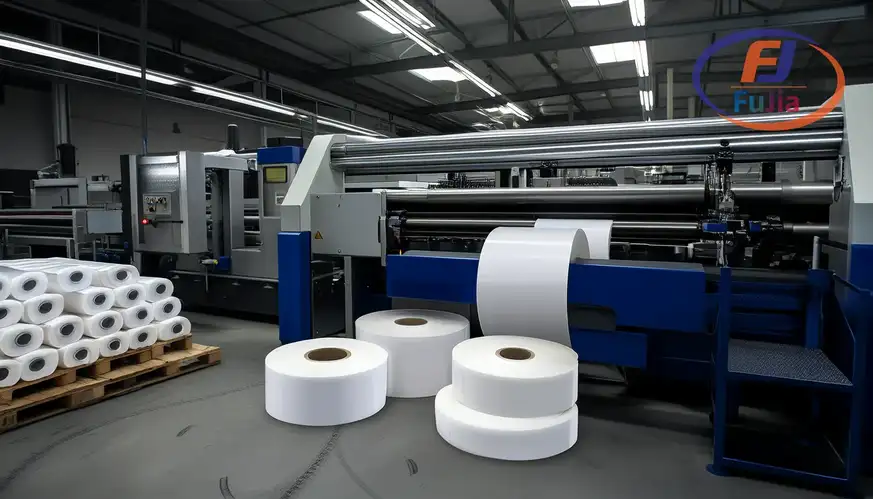
New narrow-web presses quote 3-6 month lead times, wide-web CI presses 6-9 months, and the installation-plus-training phase adds 2-6 weeks before sellable output runs at specification. The timeline includes site preparation, floor loading, power, and ventilation, that the supplier should specify in writing, and the buyer’s readiness is the variable most often missed. Operators need 2-6 weeks of training to run flexo at commercial quality, and the shops that train two operators rather than one survive vacations and sick days.
The going-live sequence runs test jobs before production jobs, and the first commercial week should carry work whose deadlines survive a learning curve.The shops that schedule their best customer’s hardest job for week one are the shops that learn what escalation feels like, and the same staged-go-live discipline our equipment guides prescribe for every press class applies here.
A label-house case we supply anchors the vetting value: a growing label printer shortlisting two narrow-web suppliers ran its busiest job design on both presses, picked the one whose operator had plate suggestions the trial improved, and negotiated spares inventory into the quote, going live five months later with the first month at 92% uptime. The reference customers had predicted exactly that outcome, and the same reference-reading discipline runs through every capital purchase our guides document.
The Buyer Math From Quote to Production
| Line | narrow-web entry | mid-web upgrade |
|---|---|---|
| press | $30,000-120,000 | $120,000-300,000 |
| plates per design | $50-150 | $100-300 |
| anilox inventory | $5,000-15,000 | $15,000-40,000 |
| break-even | steady label contract | multi-client packaging |
The buyer table completes the arithmetic, and the plate line is flexo’s signature economics: each design costs a plate, so the process profits on runs long enough to amortize it, which is why flexo and digital short-run printing coexist rather than compete. A label shop running 10,000-piece minimums amortizes a $100 plate across pennies per piece, while a 200-piece custom run belongs on the digital side of the shop, and the same run-length partition our printing price guides document applies here at packaging scale, alongside the promotional products labeling programs that bridge the two processes. The anilox inventory is the hidden capital line, and suppliers who bundle a starter set are financing your first year.
Financing follows the capital-equipment norms, with leasing structures common at this tier because presses hold value and contracts back the payments. We recommend quoting the monthly against the label contracts signed or pending, because the press that pays on paper and the press that pays on invoices differ by the sales function, and the same demand-first discipline our market guides apply to every machinery purchase closes this one.
Who are the top flexo printing machine manufacturers?
The flexographic press market splits between European wide-web engineering houses, North American narrow-web specialists, and Chinese mid-web value manufacturers, with the right tier set by web width and job mix rather than by a global ranking. Buyers should shortlist by class first, narrow-web label versus mid-web packaging versus wide-web CI, then verify by live references running their job type and a trial run on their own artwork. Manufacturer lists age quickly in this market, and the supplier’s service radius and parts terms predict uptime better than the brand page.Two references on your exact work type outweigh any top-ten list, and the reference call costs less than any brochure.
How much does a flexographic printing machine cost?
A flexographic printing machine costs $30,000-120,000 for narrow-web label presses, $120,000-300,000 for mid-web packaging machines, and $200,000-500,000-plus for wide-web CI presses, with plate-making equipment, an anilox inventory of $5,000-40,000, and installation and training adding 2-6 weeks of setup on top. Used narrow-web presses trade at 40-60% of new for buyers with flexo operators on staff. The full economics only close when plate costs per design amortize across your run lengths, which is the arithmetic that decides flexo versus digital for each job. Lead times run 3-9 months new, and installation adds weeks before sellable output. Price the anilox line before the press line, because it is the capital that hides in the accessories.
What should I look for in a flexo press supplier?
A flexo press supplier should pass five checks: two live references running your job type, a trial run of your artwork on the actual press, parts and anilox terms in writing, a written installation and training plan, and engineer dispatch terms with a defined service radius. The plate program matters as much as the press, because plates are flexo’s recurring cost and lead time, and a supplier bundling a plate workflow is selling the operation rather than the steel. Suppliers who resist references or trial runs are answering the question early. The vetting costs weeks and prevents the downtime stories that cost quarters, and that exchange rate is the best deal in capital equipment.
Is a flexo press worth it for a small label business?
A flexo press is worth it for a small label business when contracted label work runs long enough to amortize plates, typically thousands of pieces per design on repeat orders, because the press’s per-piece economics beat digital only across volume. Below that volume, digital label printing serves short runs without plates, and many successful shops run both, routing by run length. The narrow-web entry at $30,000-120,000 plus an anilox inventory prices a real commitment, and the buyer math quotes the monthly against signed label contracts rather than market hopes. A shop whose average run keeps shrinking should stay digital, because flexo’s economics run in the opposite direction. Watch the run-length trend quarterly, and it will make the flexo decision for you.
Verdict
A flexographic printing machine supplier sells a production system, presses at $30,000-500,000-plus by web class, plate and anilox programs that define recurring economics, and a service relationship whose radius prices your uptime, and the buyer who vets references, runs a trial on their own artwork, and negotiates parts terms in writing buys the system rather than the steel. Match the architecture to your job mix, stage the go-live away from your best customer’s deadlines, and let run-length arithmetic route each job between flexo and digital. The press rewards volume with pennies, and the supplier rewards vetting with uptime. For label and packaging programs on the digital side of the run-length split, contact Fujia Print with your label specs.
Sources
- Wikipedia: Flexography: process overview.
- Wikipedia: Anilox: ink metering context.
- AATCC: durability testing standards.
- Fujia Print labeling cases: label production examples.
