

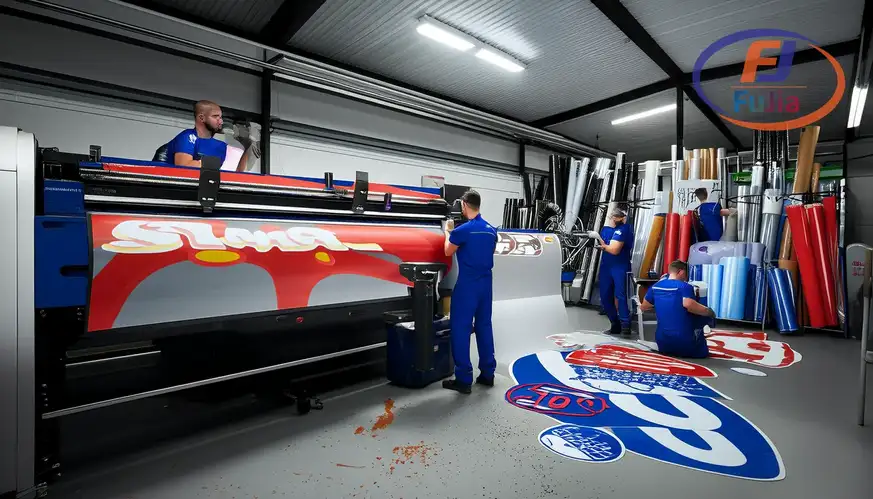
A commercial sign printer is the revenue engine of a signage shop, and the category splits three ways: eco-solvent roll printers at $8,000-25,000 for banners and vinyl, UV flatbeds at $15,000-60,000 for rigid boards and panels, and latex machines at $15,000-35,000 where indoor air quality matters. The sign business sells outdoor durability, deadlines, and materials knowledge, and the printer choice follows the product canon a shop actually sells. This guide compares the three technologies, prices the setups, and runs the shop economics from machine to margin.
Key Takeaways
- Eco-solvent roll printers cover banners and vinyl at $8,000-25,000, UV flatbeds cover rigid work at $15,000-60,000, latex sits between at $15,000-35,000.
- The signage canon spans banners, yard signs, ACP panels, storefront boards, vehicle wraps, and window graphics, split between roll and rigid.
- Outdoor durability is the spec buyers pay for: eco-solvent and UV hold 3-5 years outdoors, latex 2-3 with lamination.
- A working sign shop opens at $15,000-40,000 in printers, cutter, and laminator, with per-square-foot margins of $3-12.
- We recommend eco-solvent roll first, the UV flatbed second as rigid orders appear, and latex where indoor air rules bind.
The Three Technologies and Their Products
| Technology | Price band | Prints | Outdoor life |
|---|---|---|---|
| eco-solvent roll | $8,000-25,000 | banners, vinyl, wraps | 3-5 years |
| UV flatbed | $15,000-60,000 | boards, panels, objects | 3-5 years |
| latex roll | $15,000-35,000 | indoor graphics, textiles | 2-3 years |
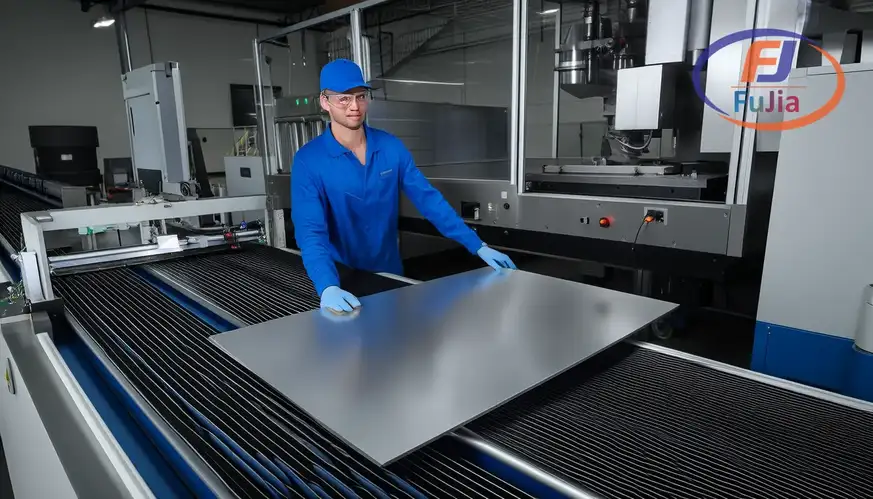
The technology table is the shop’s product map, and each row sells a different half of the signage canon. Eco-solvent roll printers are the industry’s workhorse, printing the flexible media, banners, adhesive vinyl, vehicle wrap film, that roll through at production speed with proven outdoor life. UV flatbeds print the rigid half, ACP panels, foam board, acrylic, corrugated plastic, direct and instantly cured, and their object canon extends to anything the bed holds. Latex printers trade some outdoor life for water-based inks that satisfy indoor air rules in hospitals, schools, and offices, per the material logic our signage display guides document across the canon.
The first-machine decision for a new sign shop is eco-solvent roll in nearly every case, because banners and vinyl are the volume products that fund the shop while rigid orders accumulate. The UV flatbed arrives as the second machine when board work outgrows mounting printed vinyl onto panels, and the latex choice is regulatory rather than economic, bought where the customer list demands it. We recommend pricing the product canon before the printer, because the machine follows the orders the way it does in every shop we document.
The Signage Product Canon and Its Margins
| Product | Blank cost | Retail | Margin character |
|---|---|---|---|
| banners | $2-6 | $20-80 | volume workhorse |
| yard signs | $1-3 | $10-25 | seasonal spikes |
| ACP storefront panels | $15-40 | $80-300 | commercial anchors |
| vehicle wraps | $150-400 material | $500-2,500 | skilled labor premium |
| window graphics | $3-10 | $25-100 | repeat retail clients |
The canon table is the revenue plan, and its spread explains why successful shops carry roll and rigid machines together: banners and yard signs pay the rent on volume, ACP storefront panels anchor commercial accounts, and vehicle wraps carry the highest labor premium in the building. Per-square-foot margins run $3-12 after materials, and the wrap line’s labor intensity prices itself as skill rather than printing. The window and retail repeat clients give the shop its cash-flow baseline, per the product-tier logic our sign cases document across shops.
Deadlines are the signage market’s second currency, and the technologies differ there too: UV curing exits the machine finished and mountable, eco-solvent needs outgassing time before lamination, and latex dries fast enough for same-day indoor installs. Shops serving event and retail clients sell turnaround as part of the product, and the printer whose workflow matches the deadline book earns its keep on reliability rather than on dpi.
Shop Economics From Machine to Margin
| Line | eco-solvent start | roll + flatbed shop |
|---|---|---|
| printers | $8,000-25,000 | $25,000-60,000 |
| cutter and laminator | $3,000-8,000 | $5,000-12,000 |
| monthly capacity | 800-2,000 sqft | 2,500-6,000 sqft |
| monthly gross margin | $2,400-24,000 | $7,500-72,000 |
The economics table spans hobby-to-commercial reality, and the honest entry point is the left column: a $15,000-40,000 shop of eco-solvent printer, vinyl cutter, and laminator serves banners, signs, and vehicle start-work while the order book proves itself. The right column is the established shop whose rigid volume justified the flatbed, running both technologies across the full canon. Signage margins of $3-12 per square foot cover equipment payments comfortably at modest utilization, and the same utilization honesty our printer guides apply to every purchase closes this one.
Financing follows the equipment norms, and sign shops typically finance printers against their commercial account books at 11-16% APR. A $20,000 eco-solvent setup financed over 36 months runs $650-720 monthly, which one mid-size storefront panel job services, and the seasonal rhythm of signage, spring construction and year-end retail, rewards the shop whose cash buffer carries the quiet months.The shops that survived their first year are the ones that financed against signed accounts rather than projected volume, and that discipline costs nothing on signing day.
The Setup That Sells
The shop’s selling setup goes beyond the printer: design capability that turns customer sketches into print-ready files, a material library customers can touch, and installed samples that prove outdoor durability are the sales infrastructure that converts quotes into orders. Lamination capability protects the outdoor work the shop guarantees, and the finishing bench, grommets, hems, mounting, is where banners become deliverables rather than printed sheets.
The software stack matters as much as the hardware: a RIP that manages color across both machines keeps the shop’s output consistent, and template libraries for yard signs, ACP panels, and wrap vehicles cut design time that margins depend on. We recommend training one operator deeply rather than two shallowly at the start, because signage deadlines punish handoffs, and the same operator-depth logic our equipment guides apply to production machinery applies here. Depth on one bench beats coverage across two.
A shop case we supply anchors the economics: a two-person sign business running an eco-solvent roll printer plus a compact UV flatbed, serving local retail storefronts, event banners, and seasonal yard-sign programs, grossing $8,000-15,000 monthly at margins that service both machine payments inside the first hour of each month’s billing. The shop’s growth path, roll first, rigid second, matches the sequence every successful sign shop we document has followed, per the case patterns our applications pages maintain.
What kind of printer can be used for signage?
Signage runs on three printer technologies: eco-solvent roll printers at $8,000-25,000 for banners, vinyl, and vehicle wraps, UV flatbeds at $15,000-60,000 for rigid boards, panels, and objects, and latex roll printers at $15,000-35,000 for indoor graphics where air-quality rules apply. The product mix decides the machine: flexible media routes to roll, rigid boards route to the flatbed, and indoor institutional work routes to latex. Most commercial shops start with eco-solvent roll and add the flatbed when rigid orders accumulate, and the same technology-split logic our signage guides document covers the full material canon.
How much does a commercial printer cost?
A commercial sign printer costs $8,000-25,000 for an eco-solvent roll machine, $15,000-60,000 for a UV flatbed, and $15,000-35,000 for latex, with a complete working shop adding $3,000-12,000 of cutter, laminator, and RIP software. Financing at 11-16% APR converts a $20,000 entry setup into roughly $650-720 monthly, which a single mid-size storefront job services. The sticker prices capability, and the setup prices the business: sign margins of $3-12 per square foot carry the payments comfortably at modest utilization, so price the shop you are building rather than the machine alone.The shops that price the business first build twice as fast.
What kind of machine can I use to print yard signs?
Yard signs print on corrugated plastic, and the machine choice is a UV flatbed printing directly onto the blanks at $15,000-60,000, or an eco-solvent roll printer printing onto adhesive vinyl that mounts onto the blanks at $8,000-25,000. The flatbed route is faster per unit at volume and skips the mounting labor. The roll route lets a banner-focused shop serve yard signs without new hardware. Seasonal political and real-estate spikes reward shops that can run hundreds of blanks per day, which is where the direct-flatbed workflow earns its premium. Either path prints the product, and volume decides the better one, which is the pattern this whole guide keeps finding.
What is the best printer for commercial printing?
The best printer for commercial signage is the technology matched to your product canon: eco-solvent roll for flexible media volume, UV flatbed for rigid panels and objects, latex for indoor air-quality-constrained work, verified by outdoor durability data, RIP color consistency, and a dealer whose service radius matches your deadline exposure. Best is a product-line answer rather than a brand ranking, and shops carrying both roll and rigid machines cover the full signage canon at $25,000-60,000 combined. We recommend demoing on your own media and checking the dealer’s parts shelf, because signage deadlines turn support distance into lost orders. The eco-solvent roll first is the sequence nearly every successful shop follows, and it is a sequence for a reason.
Verdict
The commercial sign printer market splits into eco-solvent roll at $8,000-25,000 for the flexible-media volume that funds a shop, UV flatbeds at $15,000-60,000 for the rigid work that grows it, and latex at $15,000-35,000 for the indoor contracts that need it, with a complete entry shop at $15,000-40,000 carrying $3-12 margins per square foot. Price the product canon first, buy roll first and rigid second, and invest in the design and finishing infrastructure that converts prints into deliverables. That infrastructure, not the printer, is where sign shops actually compete. Signage sells durability and deadlines, and the shop that engineers both keeps the clients. To test your signage files across the technologies on your own materials, contact Fujia Print with your product list and print samples.
Sources
- Wikipedia: UV curing: LED ink chemistry.
- Wikipedia: Vehicle wrap: wrap media context.
- AATCC: outdoor durability standards.
- Fujia Print signage cases: shop production examples.
