

DTF powder from Chinese factories is TPU hot-melt adhesive in white granular form, pricing $4-9 per kilo at factory-direct volumes with mesh sizes of 80-170 microns and melt points tuned to 110-130 °C pressing workflows. The powder is the least visible consumable in the DTF chain and the one that decides whether transfers survive washing, because its melt flow, particle uniformity, and TPU purity determine bonding strength at the press. This page specs the powder grades, prices the factory ladder, and hands buyers the melt-test protocol that separates adhesive-grade powder from filler-cut inventory.
\n\n\n\n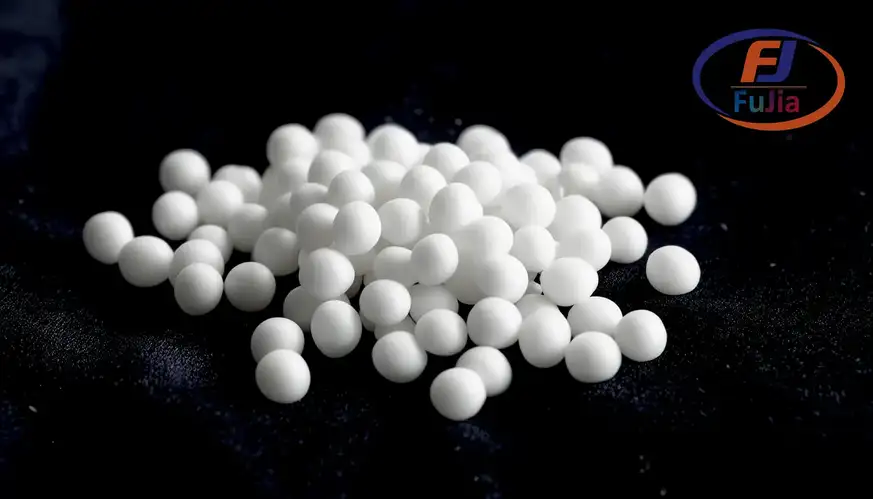
Key Takeaways
\n\n\n\n- \n\n\n
- Powder grades: fine 80-120 micron mesh for detail work, standard 100-150 for production, coarse 150-170 for heavy fleece, all TPU-based at $4-9 per kilo factory-direct. \n\n\n
- MOQ ladders run 1-5 kilo samples at $10-15 per kilo, 25 kilo cartons at $6-9, and 100 kilo+ orders at $4-6 with OEM packaging available. \n\n\n
- Melt point sits at 110-130 °C and must match your press workflow: powder that flows too early scatters, powder that flows late leaves weak bonding. \n\n\n
- The melt test is the QC core: press a sample transfer, wash it 5 cycles at 40 °C, and inspect edge lifting, because adulterated powder fails by cycle 2-3. \n\n\n
- We recommend buying 1-kilo samples from two factories and running identical wash tests before any 25-kilo carton, because powder adulteration shows only under heat and wash. \n\n\n
The Powder Grade Table
\n\n\n\nThe grade table specs the three working powder classes, and the mesh number is the fork most buyers face first. All grades are TPU hot-melt adhesive:
\n\n\n\n| Grade | \nMesh size | \nMelt point | \nBest for | \n
|---|---|---|---|
| Fine | \n80-120 micron | \n110-120 °C | \nfine detail, thin text | \n
| Standard | \n100-150 micron | \n115-125 °C | \ngeneral production | \n
| Coarse | \n150-170 micron | \n120-130 °C | \nfleece, heavy fabric | \n
The powder under inspection:
\n\n\n\nMesh size trades detail against bonding mass: fine powder coats thin strokes without bridging, while coarse powder carries more adhesive mass for heavy fabrics but buries fine detail, per the consumable selection logic our consumables guides document across the DTF chain.The standard 100-150 grade serves 80 percent of shops, and the fine grade earns its place on text-heavy work where coarse powder turns letterforms fuzzy. Melt point matters more than buyers expect, because a powder tuned for 130 °C presses under-performs at 150 °C workflows and vice versa, and the melt point belongs on every quote alongside the price.
\n\n\n\nThe Factory Price Ladder
\n\n\n\nThe ladder table prices powder by volume, and the spread between sample and production pricing is where relationships matter. Figures reflect factory-direct quotes from Chinese adhesive specialists:
\n\n\n\n| Volume | \nPrice per kilo | \nPackaging | \nLead time | \n
|---|---|---|---|
| 1-5 kilo sample | \n$10-15 | \nzip bags | \n3-7 days | \n
| 25 kilo carton | \n$6-9 | \nsealed carton | \n7-12 days | \n
| 100 kilo+ | \n$4-6 | \nOEM branded | \n10-20 days | \n
| 500 kilo+ contract | \n$4-5 | \nOEM + spec lock | \nnegotiated | \n
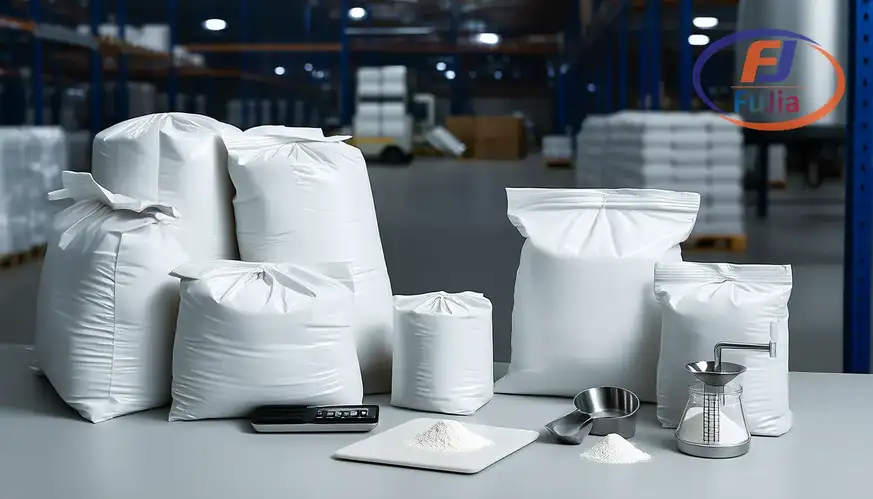
The factory floor:
\n\n\n\nThe powder market concentrates in a handful of Chinese adhesive-chemistry clusters, and factory-direct buying at 25-kilo scale cuts craft-retail pricing of $20-40 per kilo by 60-80 percent, per the consumables sourcing economics our DTF supply guides track. When it comes to powder pricing, prices below $4 per kilo at production volumes usually signal filler blending, because TPU resin has a real cost floor. Powder padded with cheaper thermoplastics presses fine and washes terribly, which is exactly the failure the melt test exists to catch. We recommend treating the $4-5 band as the authenticity floor rather than a bargain. Treating suppliers who welcome wash-test evidence as the ones whose powder survives it.
\n\n\n\nThe Melt Test and the Reorder Protocol
\n\n\n\nThe QC table runs the two tests that qualify a powder, and both use the buyer’s own press and washer rather than laboratory equipment. The protocol fits inside one afternoon plus one wash day:
\n\n\n\n| Test | \nMethod | \nPassing standard | \n
|---|---|---|
| Melt flow | \npress sample transfer at your settings | \neven adhesive spread, no scatter | \n
| Wash durability | \n5 cycles at 40 °C, inspect edges | \nno edge lifting, no cracking | \n
| Stretch check | \n20 percent stretch on knit | \nbonding holds, no separation | \n
| Storage check | \n30 days sealed, re-test flow | \nno clumping or melt-shift | \n
The protocol in practice:
\n\n\n\nA transfer shop we supply qualified its current powder through exactly this loop, and the losing sample taught the lesson the table encodes: the cheaper powder pressed beautifully and lost edge bonding by wash cycle 3, while the winning powder at $1 more per kilo held through 30 cycles and 4,000 kilos of production, per the qualification discipline our adhesive-sourcing cases document across DTF programs. We recommend the two-factory sample comparison as standard practice, because identical files, identical press settings, and identical wash cycles turn a chemistry gamble into a measured choice. The protocol only protects buyers who run it before the carton arrives. Powder qualified once deserves re-testing whenever the supplier changes production batches, because adhesive formulas drift like ink formulas do.
\n\n\n\n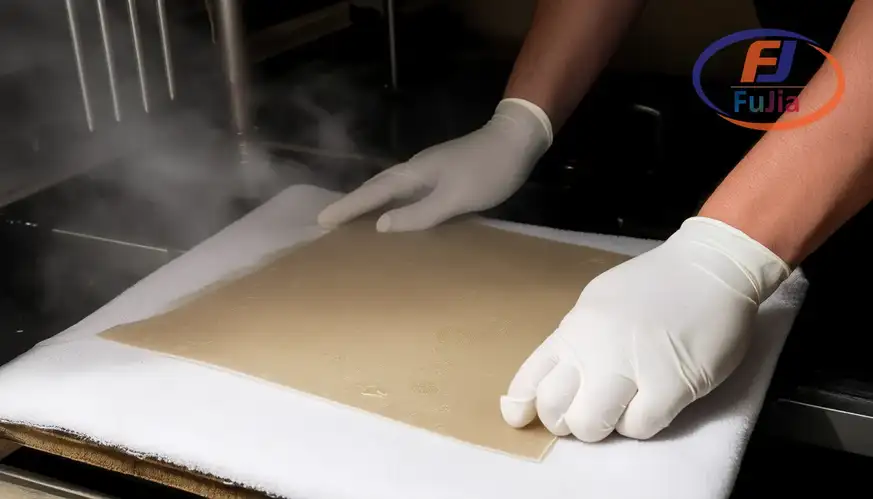
What is DTF powder and what does it do?
DTF powder is TPU hot-melt adhesive applied to printed DTF film, and it becomes the bonding layer that welds the transfer to fabric when heat-pressed at 150-160 °C with the powder melted into the ink layer. Without powder, DTF transfers have no adhesion at all, and powder quality decides wash durability, stretch tolerance, and hand feel of every finished garment. Powder grades run 80-170 micron mesh sizes with melt points of 110-130 °C, and factory-direct TPU powder prices at $4-9 per kilo versus $20-40 at craft retail.
What can I use instead of DTF powder?
DTF powder has no true substitute for standard DTF workflows, because the TPU hot-melt layer is what bonds the transfer chemically and mechanically to fabric fibers. Workarounds exist at reduced quality: some crafters use PVA-based adhesives or double-sided pressing sheets for one-off projects, and UV DTF transfers on hard goods skip powder entirely because their adhesive lives in the film laminate. For fabric DTF production, the honest alternatives are switching decoration methods entirely to sublimation for polyester or screen printing for volume, rather than substituting an inferior adhesive that fails in the wash.
How do I know if DTF powder is good quality?
Good DTF powder proves itself in three tests run on your own press: an even melt-flow spread without scattering at your standard pressing temperature, edge bonding that survives 5 wash cycles at 40 °C without lifting or cracking, and bonding that holds at 20 percent stretch on knit fabric. Visual checks add context, as uniform white granules without discoloration suggest pure TPU, while pricing below $4 per kilo at production volumes signals likely filler blending. Buy 1-kilo samples from two factories, run identical tests, and let the washed results rather than the datasheets choose the supplier. The datasheet tells you what the powder claims, and the washer tells you what it is.
Why is my DTF transfer peeling after washing?
DTF transfers peel after washing for four causes in order of frequency: under-melted powder from press temperature below 150 °C or time under 10 seconds, adulterated or aged powder whose TPU content fails bonding, insufficient powder coverage leaving unbonded edges, or fabric surface issues such as waterproof coatings that resist adhesion. Fix the recipe first at 150-160 °C for 12-15 seconds with firm pressure, verify the powder through the melt-and-wash test, and confirm your fabric is uncoated cotton or poly-blend. Peeling that survives all three checks points to film release issues rather than powder, and a fresh film roll rules that line in or out.
Verdict
\n\n\n\nDTF powder from Chinese factories prices $4-9 per kilo across fine, standard, and coarse TPU grades, and the factory ladder runs from 1-kilo samples to 500-kilo OEM contracts with the $4-5 band marking the authenticity floor where filler blending begins. The melt-and-wash protocol is the qualification that matters: identical press settings, five wash cycles, and edge inspection turn powder chemistry into a measured choice between two factories. Qualify before the carton, re-test on batch changes, and keep the standard grade as your production default. For qualified DTF powder with spec-locked OEM supply, contact Fujia Print with your monthly consumption.
\n\n\n\nSources
\n\n\n\n- \n\n\n
- Wikipedia: Thermoplastic polyurethane: TPU chemistry and melt behavior. \n\n\n
- Wikipedia: Direct-to-film printing: powder’s role in the process chain. \n\n\n
- AATCC wash test standards: durability testing protocols. \n\n\n
- Fujia Print DTF consumables guide: powder grades and qualification cases. \n\n\n
