
Brother’s UV flatbed presence runs through its wide-format industrial division: hybrid flatbed-and-roll machines in the $30,000-60,000 class built on the engineering lineage that made the GTX direct-to-garment line a garment-printing standard. The brand brings genuine strengths to UV, including legendary build quality, aqueous-adjacent ink stewardship, and a dealer network that answers service calls, and it brings genuine caveats, including a narrower UV model range than UV-native competitors and ink pricing that reflects the premium chassis. This page places Brother honestly in the UV market, specs the machines the brand actually sells, and matches the buyer profiles its premium earns.
\n\n\n\n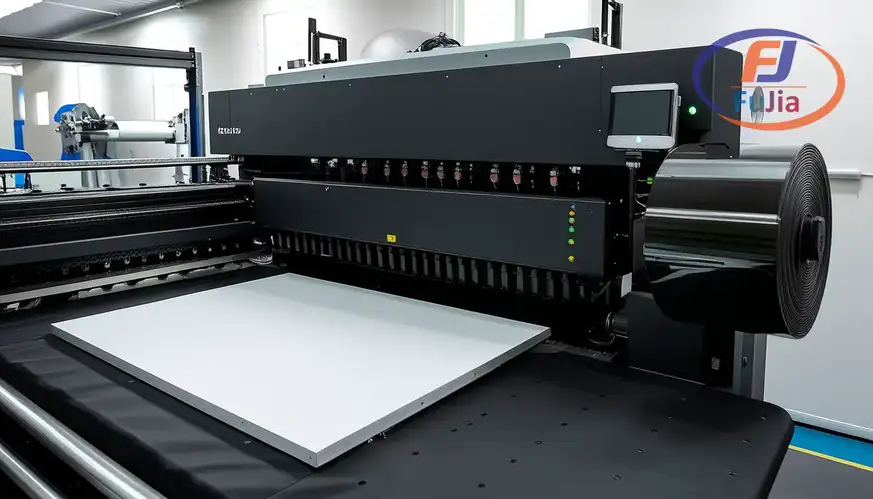
Key Takeaways
\n\n\n\n- \n\n\n
- Brother’s UV-class machines position as hybrid flatbed-plus-roll platforms at $30,000-60,000, competing with Mimaki and Roland rather than with Chinese 6090 tiers. \n\n\n
- The engineering lineage matters: shared components and service culture with the GTX garment platform give Brother dealers unusual UV-adjacent expertise. \n\n\n
- The model range is the caveat: Brother’s UV catalog is narrower than UV-native brands, and specific configurations deserve dealer confirmation per market. \n\n\n
- Ink economics carry the premium chassis: OEM ink at $120-200 per liter against $80-130 open-market equivalents widens the running-cost gap over years. \n\n\n
- We recommend Brother for shops already in its dealer orbit or contract environments demanding OEM documentation, and UV-native platforms for capability-per-dollar buyers. \n\n\n
Where Brother Plays in the UV Market
\n\n\n\nThe tier table locates Brother against the UV market’s three competitive classes, and the placement frames every other judgment in this review:
\n\n\n\n| Class | \nBrands | \nPrice band | \nPosition | \n
|---|---|---|---|
| UV-native Chinese | \nmajor factories | \n$4,000-25,000 | \ncapability per dollar | \n
| Premium Japanese | \nMimaki, Roland, Brother | \n$30,000-90,000 | \nengineering and service | \n
| Industrial European | \nDurst, EFI | \n$100,000+ | \nduty-cycle extremes | \n
Brother’s machines on the floor:
\n\n\n\nThe premium Japanese class competes on engineering depth rather than on specification sheets, and Brother’s entry carries the brand’s industrial DNA into hybrid flatbed-roll configurations that serve shops printing rigid boards and flexible media on one platform, per the tier analysis our UV printers pillar documents across the market’s classes.The honest way to judge this class is by five-year cost of ownership rather than by first-week output, because the engineering premium shows up as uptime, head longevity, and resale value rather than as brighter color, and buyers who price only the sticker systematically underrate exactly what they are paying for. LED curing at 385-395 nm and OEM ink stewardship complete the platform picture at output settings up to 1200 dpi class, with print speeds of 8-15 m2 per hour at production quality on the hybrid chassis.
\n\n\n\nWhat Brother’s Machines Actually Deliver
\n\n\n\nThe spec table lists the platform characteristics that define Brother’s UV-class offering, with the caveat that model availability varies by market and deserves dealer confirmation:
\n\n\n\n| Platform trait | \nWhat it delivers | \nBuyer impact | \n
|---|---|---|
| Hybrid flat/roll feed | \nrigid boards and banners, one machine | \nconsolidates two machines | \n
| Industrial chassis | \n24-hour duty tolerance | \ntwo-shift capability | \n
| OEM ink system | \ncolor stability, warranty coverage | \ncontract-friendly | \n
| Dealer service network | \ncontracted response hours | \ndowntime protection | \n
| GTX-lineage components | \nproven head handling | \nservice familiarity | \n
The engineering in detail:
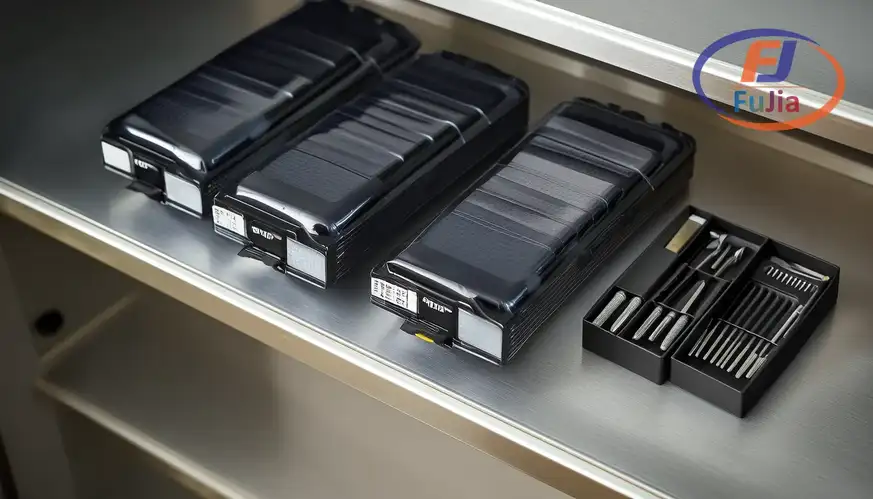
\n\n\n\nWhen it comes to the hybrid configuration, it solves a real fleet problem, because shops printing both signage boards and flexible media otherwise run two machines with two maintenance cultures. One chassis that does both halves the operator training and the floor space. The ink economics are the offsetting line: OEM cartridges at $120-200 per liter run 40-60 percent above open-market alternatives. The premium buys warranty protection and color consistency that contract shops monetize, per the ink-tier economics our consumables guides document across branded platforms. We recommend pricing three years of ink before signing, because the chassis premium and the ink premium compound in the same direction. At 20 liters of annual consumption the gap runs $800-1,600 yearly. That line alone prices a head replacement every second year.
\n\n\n\nThe Buyer Match: Who the Premium Earns
\n\n\n\nThe buyer table matches shop profiles to the honest platform answer, and the profile boundaries follow service needs and contract exposure rather than print quality:
\n\n\n\n| Buyer profile | \nHonest fit | \nDeciding factor | \n
|---|---|---|
| Existing Brother dealer shop | \nstrong fit | \nservice familiarity compounds | \n
| Audited contract shop | \nstrong fit | \nOEM documentation chain | \n
| Two-shift production | \nworkable | \nduty cycle justifies chassis | \n
| Startup decoration shop | \npoor fit | \nChinese tiers serve capability | \n
| Capability-per-dollar buyer | \npoor fit | \nink gap compounds for years | \n
The match in one frame:
\n\n\n\nA contract awards producer we supply runs Brother-class hardware for a reason its clients wrote into the contract: OEM equipment documentation was a supplier qualification requirement, and the platform’s documentation chain passed audits that budget machines structurally cannot, per the qualification dynamics our signage and display cases document for audited production. The same review found the ink line running 35 percent above its previous UV-native platform at equal output, and the contract’s margin absorbed the difference precisely because audited contracts price in documentation. We recommend buyers run the same honest arithmetic: the premium earns itself in service density, duty cycles, and contract clauses, and it remains a cost everywhere else. The hybrid chassis printing both 5 mm boards and banner rolls at 8-15 m2 per hour is the capability that one-machine fleets pay the premium to consolidate.
\n\n\n\n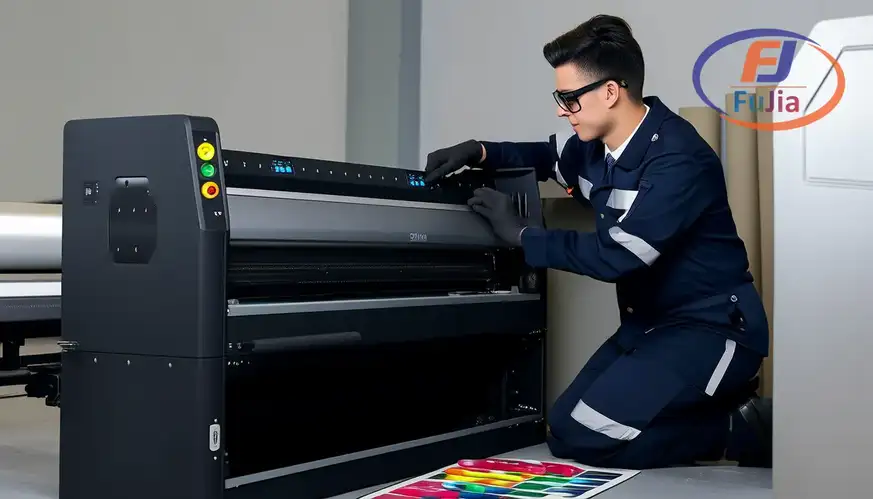
Does Brother make UV flatbed printers?
Brother offers UV printing through its wide-format industrial division with hybrid flatbed-and-roll machines in the $30,000-60,000 class, built on the engineering platform culture that the GTX direct-to-garment line established. The UV model catalog is narrower than UV-native competitors offer, and specific configurations vary by market, so buyers should confirm current models with their regional Brother dealer. The brand’s UV presence targets professional shops needing hybrid media flexibility, OEM documentation, and dealer service rather than the entry tiers where Chinese platforms compete on price.
How much does a Brother UV printer cost?
A Brother-class UV hybrid printer costs $30,000-60,000 depending on configuration and market, positioning the brand in the premium Japanese tier alongside Mimaki and Roland rather than against Chinese 6090 platforms at $4,000-25,000. Running costs add OEM ink at $120-200 per liter, running 40-60 percent above open-market equivalents, and the premium buys warranty coverage, color consistency, and dealer service contracts. Three-year cost of ownership is the honest comparison frame, where the engineering premium converts into uptime and resale rather than into brighter prints.
Is Brother or Mimaki better for UV printing?
Brother and Mimaki both build premium-class UV hardware, and the choice follows service orbit and fleet context rather than print quality: shops already running Brother garment or industrial equipment benefit from shared dealer relationships and technician familiarity, while UV-dedicated shops benefit from Mimaki’s deeper UV-native catalog and its broader range of flatbed configurations. Both platforms carry OEM ink premiums over open-market chemistry, both hold resale value that Chinese tiers do not match, and both serve audited contract environments. Print quality differences at equal settings are effectively invisible to customers. The service and fleet questions decide this comparison, and they decide it before anyone prints a sample.
Is a premium UV printer worth it over a Chinese flatbed?
A premium UV printer is worth its $20,000-40,000 premium when downtime costs $500 or more per hour, when contracts require OEM documentation chains, or when the shop’s technician already knows the platform, because dealer response and engineering depth convert the premium into uptime insurance. The premium is not worth paying for capability-per-dollar buyers, startups, or single-shift shops with tolerant deadlines, because Chinese platforms deliver identical customer-facing output at a third of the capital and the ink gap compounds yearly. Price your downtime and your contract clauses honestly, and the answer defines itself before any demo does.
Verdict
\n\n\n\nBrother UV flatbed printers occupy the premium hybrid class at $30,000-60,000, bringing industrial engineering, hybrid media flexibility, and dealer service depth that audited contracts and existing Brother fleets monetize, while a narrower UV catalog and OEM ink at $120-200 per liter make the platform a poor fit for capability-per-dollar buyers whom Chinese tiers serve at a third of the capital. The review verdict is the market’s verdict: the premium earns itself in uptime, contracts, and service orbit, and it remains a cost everywhere else. Price three years of ink, check your contract clauses, and let the dealer question close the choice. For UV-native platforms across the price spectrum with honest tier guidance, contact Fujia Print for a side-by-side quote.
\n\n\n\nSources
\n\n\n\n- \n\n\n
- Brother industrial printing: wide-format platform documentation. \n\n\n
- Wikipedia: UV curing: ink and lamp systems across platforms. \n\n\n
- SGIA printing resources: production standards and benchmarks. \n\n\n
- Fujia Print UV tier reviews: brand class comparisons. \n\n\n
- Fujia Print consumables economics: OEM versus open-market ink data. \n\n\n
