

Besjet UV flatbed printers occupy the budget tier of the Chinese flatbed market: A3 and 6090 machines at $1,500-8,000 carrying Epson XP600 or i3200 heads, LED curing, and white channels at prices roughly half the established-brand tier. The honest review question for any budget brand is not whether the printed output is good, because Epson heads print well in nearly any chassis, but whether the buying experience delivers what the quotation promises, and that question needs a checklist rather than a verdict. This page places Besjet in its market tier, lists what the machines genuinely offer, and hands buyers the checklist that protects any budget-tier deposit.
\n\n\n\n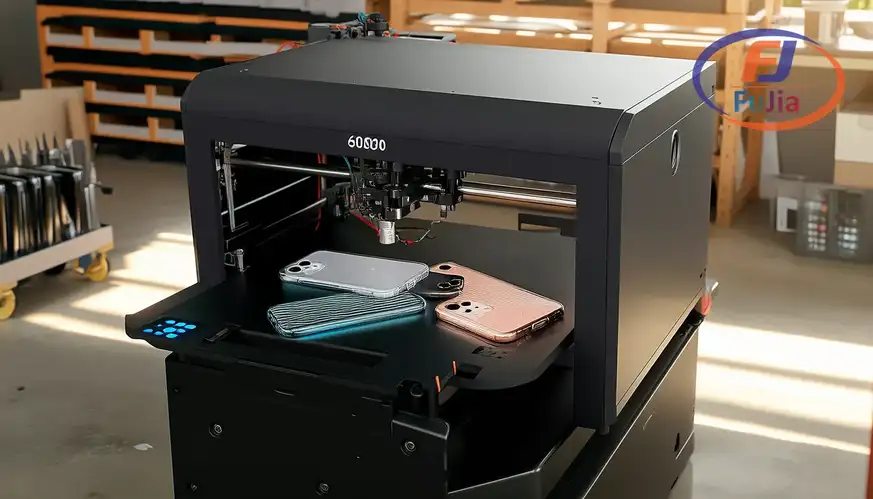
Key Takeaways
\n\n\n\n- \n\n\n
- Besjet’s range covers A3 desktop at $1,500-3,000 and 6090 flatbeds at $4,000-8,000, with XP600 heads standard and i3200 upgrades quoted on request. \n\n\n
- The print output competes honestly: XP600 heads at 1200 dpi-class settings produce the same fundamental quality as any brand carrying the same heads. \n\n\n
- The budget-tier risks concentrate in support and consistency: remote-only service, spare-part lead times of 1-3 weeks, and batch-to-batch assembly variance. \n\n\n
- White ink systems on budget machines demand the same daily circulation discipline as flagship platforms, with thinner margins for neglect. \n\n\n
- We recommend the demo-before-deposit protocol: print your own files, verify head model in writing, and video-call the actual factory floor before wiring anything. \n\n\n
Where Besjet Sits in the Market
\n\n\n\nThe tier table places Besjet against the market’s three price classes, and the placement explains both the appeal and the caveats. Prices are factory-direct 2026 quotes in US dollars:
\n\n\n\n| Tier | \nExample brands | \nPrice band | \nService model | \n
|---|---|---|---|
| Budget | \nBesjet and peers | \n$1,500-8,000 | \nremote, courier parts | \n
| Established Chinese | \nmajor factories | \n$8,000-25,000 | \nremote + agent networks | \n
| Premium OEM | \nJapanese/Korean | \n$30,000-90,000 | \ndealer networks | \n
The brand’s machines in context:
\n\n\n\nThe budget tier’s physics are honest: head, ink system, and LED lamp are commodity components sourced from the same suppliers every Chinese factory uses, so the printed result at equal settings differs far less than the price list suggests, per the platform analysis our UV printers pillar documents across tiers. The differentiation lives in engineering details the brochure omits: carriage rail quality, vacuum pump duty rating, ink circulation reliability, and assembly QC, and those details vary batch to batch at budget factories in ways established brands engineer out.A good Besjet-class unit prints beautifully for years, and the buying checklist exists to raise the odds of receiving the good unit.
\n\n\n\nWhat the Machines Genuinely Offer
\n\n\n\nThe spec table lists Besjet’s common configurations and what each delivers in real shops, with the caveat that budget-tier specs deserve written verification rather than assumption:
\n\n\n\n| Configuration | \nHead | \nPrice | \nDelivers | \n
|---|---|---|---|
| A3 flatbed | \n1-2x XP600 | \n$1,500-3,000 | \ncraft and startup work | \n
| 6090 flatbed | \n2x XP600 | \n$4,000-6,000 | \nproduct decoration | \n
| 6090 upgraded | \n2x i3200 | \n$6,000-8,000 | \nfaster throughput | \n
| 9060 class | \n2-3 heads | \n$7,000-10,000 | \nlarger panels | \n
The honest strengths:
\n\n\n\nWhen it comes to budget machines and white ink, the circulation systems are simpler than flagship platforms. That simplicity works fine under daily discipline and fails visibly under neglect, because budget pumps and dampers have thinner tolerance for settled pigment. A decoration startup we supply has run a budget 6090 through two years of phone-case and awards production. Its recipe was unglamorous: daily nozzle checks, religious white circulation. A spare damper set on the shelf, per the operating discipline our budget-platform cases document across cost-conscious shops. The machines run 720×1440 dpi production settings comfortably. That resolution covers every decorated product those shops sell. The same tolerance logic applies to support: budget factories answer fast during the sale and slower during failures. The buyer who accepts remote-only service consciously is the buyer who never feels cheated by it.
\n\n\n\nThe Checklist Before Wiring a Deposit
\n\n\n\nThe checklist table converts budget-tier risk into verifiable steps, and every line costs hours rather than dollars while preventing the failures that cost machines:
\n\n\n\n| Checklist item | \nMethod | \nPassing evidence | \n
|---|---|---|
| Head model verified | \nwritten spec sheet | \nXP600 or i3200 named | \n
| Live print demo | \nyour files, by video call | \nyour design printed live | \n
| Factory video tour | \nreal floor, not renderings | \nassembly and QC visible | \n
| Parts pricing in writing | \ndamper, head, ink quotes | \nitemized list with lead times | \n
| Payment protection | \ntrade assurance or escrow | \nmilestone terms | \n
The verification in one frame:
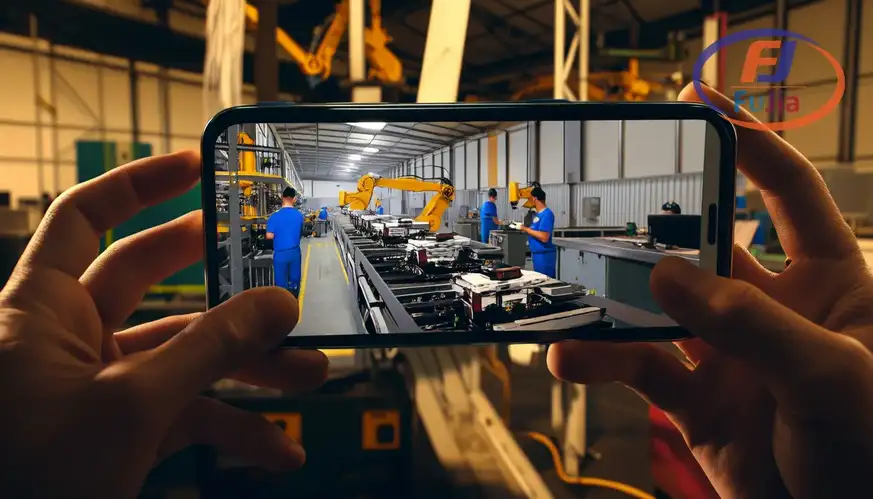
\n\n\n\nWe recommend the video-call demo as the single non-negotiable step, because it verifies the factory exists, the machine runs, and your files print, all in twenty minutes that no brochure replaces, per the sourcing protocol our factory-verification cases apply across budget equipment purchases. Payment through platform escrow or trade assurance converts the remaining risk into recoverable form, and milestone terms hold the final payment until the machine runs at your site or passes a recorded live test. No checklist makes a budget machine into a premium one, and the right buyer for Besjet’s tier accepts remote service as the trade for half-price capability, which is a rational trade for technically comfortable shops running at 720×1440 dpi production settings.
\n\n\n\n
Is Besjet a good UV printer brand?
Besjet is a representative budget-tier Chinese UV flatbed brand whose machines carry the same Epson XP600 or i3200 heads and LED curing as costlier platforms, so print quality at equal settings competes honestly with machines twice the price. The brand’s risk concentrates in service and consistency rather than output: remote-only support, 1-3 week spare-part lead times, and batch-to-batch assembly variance that a pre-deposit checklist filters. Technically comfortable shops that accept remote service for half-price capability run these machines profitably, and buyers needing dealer-grade service belong one tier up the market.
How much does a Besjet UV flatbed printer cost?
A Besjet UV flatbed printer costs $1,500-3,000 in A3 desktop configurations, $4,000-6,000 for XP600-based 6090 flatbeds, and $6,000-10,000 for i3200-upgraded or 9060-class machines, at factory-direct pricing before shipping. Budget an additional 10-15 percent for freight, power prep, and opening ink, and confirm the head model in writing because upgrades and downgrades both circulate in the tier. The price positions the brand at roughly half the established-Chinese tier and a third of premium OEM pricing for equivalent head hardware. Printing at 720×1440 dpi with white underbase, the machines cover every decoration application the established tiers serve.
What should I check before buying a budget UV printer?
Before buying a budget UV printer, verify five things: the exact head model in writing, a live video-call demo printing your own files, a real factory tour by video rather than brochure renders, itemized spare-part pricing with lead times for dampers, heads, and ink, and payment through escrow or trade assurance with milestone terms. The demo step is non-negotiable because it verifies the factory, the machine, and your files in twenty minutes. Buyers who complete the checklist convert budget-tier risk into a calculated trade, and buyers who skip it fund the tier’s failure stories.
What are the downsides of budget UV printers?
Budget UV printers carry three structural downsides: remote-only support that leaves diagnosis and repair on the buyer’s technician skills, spare-part lead times of 1-3 weeks against days at dealer-served brands, and assembly consistency that varies batch to batch because engineering tolerances are looser at the price. White ink systems need stricter daily discipline because circulation components carry thinner margins for neglect. None of these downsides touch print quality, which depends on the same commodity heads and inks every tier uses, and the downsides price the gap between a $5,000 and a $12,000 machine honestly.
Verdict
\n\n\n\nBesjet UV flatbed printers are an honest budget-tier proposition: Epson-head output at $1,500-10,000 that prints identically to costlier platforms at equal settings, wrapped in a service model of remote support and courier parts that technically comfortable shops trade deliberately for half-price capability. The brand decision matters less than the buying protocol, and the checklist of written head specs, live video demos, itemized parts pricing, and escrow payment is what separates good budget units from the tier’s failure stories. Run the checklist, accept the service trade consciously, and stock the spare dampers. For established-tier alternatives with agent service networks alongside budget pricing, contact Fujia Print for a quote that fits your support needs.
\n\n\n\nSources
\n\n\n\n- \n\n\n
- Epson industrial printheads: XP600 and i3200 head specifications. \n\n\n
- Wikipedia: UV curing: LED systems across tiers. \n\n\n
- SGIA printing resources: equipment evaluation standards. \n\n\n
- Alibaba trade assurance overview: escrow payment protection. \n\n\n
- Fujia Print UV platform reviews: tier comparisons and checklist templates. \n\n\n
- Fujia Print sourcing cases: factory verification protocols. \n\n\n
