

Digital textile printing in Los Angeles runs a service economy built around the fashion district: local studios print your designs onto fabric at $12-35 per yard with no minimum order, turning sampling cycles from weeks into days for brands that live on speed. The LA cluster serves a specific kind of buyer, the designer, the indie label, the costume shop, and the home decorator who needs yards this week rather than containers next month. This guide prices the services, explains the formats, and walks the file-prep process that separates smooth orders from proofing ping-pong.
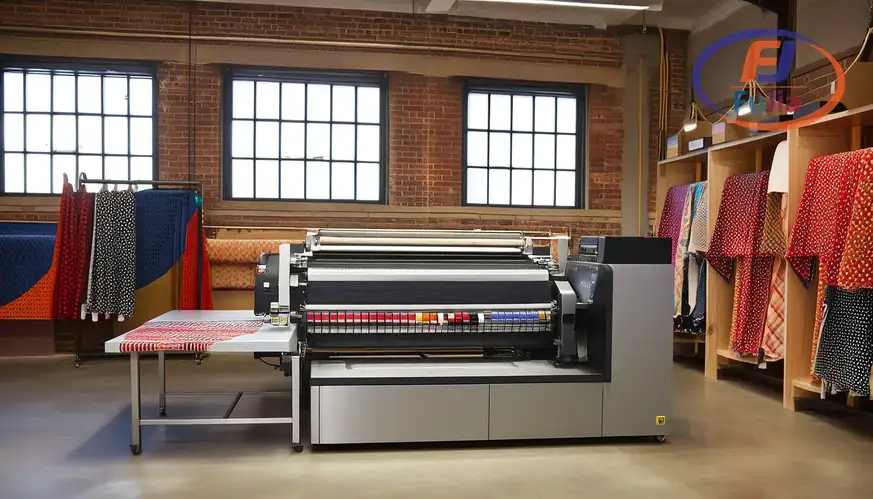
Key Takeaways
- LA-area digital textile services price $12-35 per yard printed depending on fabric, with no MOQs at most studios.
- The fabric list spans cotton sateen, silk, linen, polyester crepe, and performance knits, each priced by base material plus ink.
- Sampling economics favor LA printing even at premium unit cost: a 3-yard sample costs under $100 and arrives in 2-5 days.
- File prep is the whole quality contract: 150-300 dpi at full size, repeating patterns built on exact tile logic, and color in CMYK.
- We recommend local sampling, then offshore production at scale, because the LA service prices speed and the cluster prices volume.
The Service Landscape and Its Prices
| Service format | Price band | Turnaround | Best for |
|---|---|---|---|
| yardage printing | $12-35 per yard | 2-5 days | fashion sampling, decor |
| DTG garments | $8-20 per piece | 1-3 days | finished tees, samples |
| scarves and panels | $25-80 per piece | 3-7 days | accessories, gifts |
| swatch proofs | $10-25 | 1-2 days | color approval first |
The price table reads as a service menu, and the headline is the missing column: minimums. LA studios print 1 yard, 1 panel, or 1 garment, which is the structural difference between a service and a factory, and it is why the city’s fashion district feeds on sampling cycles. Yardage at $12-35 covers the base fabric plus ink plus handling, with silk and performance fabrics at the top of the band and cotton sateen at the bottom. Swatch proofs at $10-25 are the cheapest insurance in the workflow, and studios that push them are signaling their own color-management confidence, per the sampling logic our fabric sourcing guides document across regions.
The LA cluster’s role in a brand’s supply chain is speed, not scale. A designer proofing a spring collection prints 20 yards locally in a week, fits samples, and corrects the palette before any offshore order commits, which converts costly production mistakes into $200 lessons. The same logic applies to costume houses and interior decorators, whose deadlines and one-off needs defeat any factory MOQ. We recommend treating LA printing as the sampling and short-run tier of a two-tier supply chain, with offshore production inheriting the approved files, and the same split-structure logic our bulk printing guides document applies yardage-to-yardage.
How the Process Works: File to Fabric

The process starts with the file, and the file is the whole quality contract. Studios want designs at 150-300 dpi at final printed size, in CMYK, with repeating patterns built on exact tile dimensions so the repeat flows across the yard without seams. A pattern tile that does not mathematically repeat shows its error in the first yard, and the proofing ping-pong that follows costs days, which is why the studios that publish file specs deserve the ones that read them.
Fabric selection follows the file, and the honest advice is to order the swatch card first. Every studio stocks a standard base list, cottons, silks, linens, polyesters, and knits, and the same design reads completely differently across them because ink behaves differently on each surface. The $10-25 swatch set prices the decision honestly, and we recommend choosing fabric from the swatch rather than from the website photo, because screen color lies in both directions, per the color-discipline our textile guides document for every printing relationship.
Proofing closes the loop before yardage commits. A swatch proof of the actual design on the chosen base arrives in 1-2 days, and its color against the swatch card is the approval gate that production follows. When it comes to the proofing stage, it exists to absorb surprises while they cost $25 rather than after they cost a collection. The studios with the smoothest reputations are the ones whose proofing gates are hardest to skip. Skipping the gate is the most expensive shortcut in the workflow.
Local Sampling, Offshore Scale: The Two-Tier Structure
The economics of a fashion or decor business split cleanly across the two tiers, and the split prices speed against volume honestly. LA services convert weeks of sampling latency into days at $12-35 per yard, which is expensive per yard and cheap per decision, because a design corrected locally never produces a wrong container offshore. Offshore production, the Hangzhou and Zhejiang clusters at $1.5-6 per meter FOB, inherits the approved file at 3-6 times the volume discount, with MOQs and freight lead times that only make sense once the design has proven itself locally.
The crossover arithmetic is simple enough to compute per collection. A brand sampling 10 designs locally at roughly $600-1,000 total, then producing the 3 winners offshore at 1,000 meters each, spends a fraction of what blind offshore production wastes on the 7 designs the market rejects. We recommend the structure to every LA-label-scale business, and the same local-test-then-scale pattern our sourcing cases document across categories is the reason the fashion district keeps its printers busy, alongside the apparel printing programs that bridge sampling into production runs.
For businesses whose volume lives permanently in short runs, costume work, bespoke decor, limited drops, the LA service tier is not a stepping stone but the business model itself, because no MOQ beats a one at the exact point of need. That segment keeps neighborhood studios alive, and the studios reward the loyalty with turnaround priority that factories cannot price.
How much does it cost to get a digital print printed?
Digital textile printing services in Los Angeles cost $12-35 per yard for printed yardage depending on base fabric, $8-20 per finished garment through DTG services, and $25-80 per scarf or panel piece, with swatch proofs at $10-25 and no minimum orders at most studios. The price includes the base fabric, the ink, and the handling, with silk and performance fabrics at the top of each band and cotton sateen at the bottom. Sampling economics favor the local route even at premium unit cost, because a 3-yard sample under $100 corrects designs before any offshore commitment. The per-yard number prices speed, and the speed is what the city sells.
How to get fabric digitally printed?
Getting fabric digitally printed runs a five-step protocol: prepare your design at 150-300 dpi full size in CMYK with mathematically exact repeats, order the studio’s swatch card and choose the base fabric from physical samples, order a swatch proof of your actual design, approve the proof against the swatch card under daylight, and release the yardage order with the approved file. The protocol converts color surprises into $25 lessons instead of collection-scale losses, and the studios with file specs published deserve the clients who read them. Repeating patterns are the stage where most first-timers stumble, and exact tile logic is the fix.
How much is a digital textile printer?
A digital textile printer costs $14,000-30,000 at the entry roll-to-roll tier for polyester, $30,000-80,000 for dual-system machines covering cotton with reactive ink, and $80,000-plus for production platforms with integrated fixation, which is why the LA service economy exists: the machines price out individual designers and reward print studios serving many of them. Running costs add $1-4 per meter in ink, and the printer decision only makes sense above steady weekly yardage that service pricing cannot absorb. For sampling and short runs, the service route is the correct answer, and ownership is a studio business decision rather than a designer one.
Which is better, DTG or screen printing?
DTG beats screen printing for short runs, photographic color, and no-minimum flexibility, while screen printing wins per-piece economics above roughly 50-100 identical garments and on designs with few spot colors. DTG prints directly from digital files with no setup screens, which is why Los Angeles sampling runs through it, and screen amortizes its setup across volume until each shirt costs dollars instead of tens. Fabric content splits them too: DTG loves cotton, and screens handle blends and performance fabrics more predictably. The honest answer is volume-dependent, and under 50 pieces DTG is almost always the better buy, per the process-split logic our apparel guides document.
Verdict
Digital textile printing in Los Angeles is the sampling and short-run tier of a sensible supply chain: services at $12-35 per yard with no minimums, swatch cards and proofs that absorb color surprises cheaply, and a file-prep discipline that makes the whole exchange run in days. Sample locally, produce offshore at scale, and let the swatch proof be the approval gate that both tiers honor. The fashion district sells speed, and speed is worth its premium at exactly the stage where decisions are still cheap. To benchmark printed fabric against your designs before committing either tier, contact Fujia Print with your file for a sampling quote.
Sources
- Wikipedia: Digital textile printing: technology overview.
- Wikipedia: Reactive dye: cotton chemistry.
- AATCC: colorfastness testing standards.
- Fujia Print apparel cases: fabric program examples.
