
Searching for a UV flatbed printer on Amazon surfaces a market segment the specialty channel rarely shows: machines at $800-2,500 with fast shipping, marketplace return policies, and listing photography that hides the engineering deletions our affordable-printer guide prices line by line. The marketplace route has real advantages for the right buyer, and real gaps for everyone else, and the difference is which specs the machine carries versus which ones the listing crops. This guide reads the marketplace listing like an auditor, compares the buying routes, and locates the buyer the Amazon route genuinely serves, and the answer is narrower than the listings suggest.
Key Takeaways
- Marketplace UV listings cluster at $800-2,500, below the working floor of $1,799, and the deletion pattern is predictable.
- Return policies cover arrival damage well and cover performance disappointment poorly, because quality shows in month one, not day one.
- Freight is the marketplace’s structural gap: 100-kilogram machines ship parcel-style, and damage claims battle photography.
- Support after sale is email-thread depth, not engineer dispatch, and the white-ink ritual needs more than email.
- We recommend the marketplace for A3-class machines from established brands with verified circulation, and the specialty channel everywhere else.
What Marketplace Listings Carry and What They Hide
| Listing element | What it shows | What it hides |
|---|---|---|
| photos | the machine’s best angles | circulation pumps, bed underside |
| spec table | dpi, bed size, price | head brand, firmware policy |
| reviews | early impressions | year-one performance |
| shipping speed | delivery days | freight damage handling |
| return window | 30-day coverage | month-one quality failures |
The listing table is the audit checklist, and each row shows a surface while hiding the engineering underneath. Photos crop machine profiles where circulation pumps live, spec tables count dpi while omitting the head’s brand and the firmware’s ink policy, and reviews cluster at the weeks-after-purchase mark because month one is when cheap machines still work, per the deletion economics our affordable printer guide prices line by line. The audit posture is reading for silences: what the listing does not say about circulation, head brand, and ink policy is the listing’s real content.The silences predict the year-one invoices almost perfectly.
The machines themselves are real, and the honest categories are three: genuine A3-class machines from established factories sold through marketplace storefronts, converted or stripped units priced below their engineering, and brand-new form factors whose support history has not been written yet. The first category is the buying opportunity, because occasionally a legitimate floor-class machine reaches the marketplace with its engineering intact. The buyer who verifies circulation, head brand, and firmware freedom in the listing or with the seller captures marketplace convenience without the deletions, and we recommend that verification in writing, because listings can be edited and emails cannot.
The Return-Policy Reality
Marketplace return policies cover the failure modes that appear within the 30-day window, and they fail the failure modes that appear in operation, which is the whole nuance. A machine arriving damaged, dead, or visibly not-as-described returns cleanly inside the window, and this is the marketplace route’s genuine advantage over specialty channels whose freight claims run slower. A machine that prints gray on Monday after a weekend of unattended white ink, pigment that settles in 6 hours, has failed in operation, and operation failures land outside return windows, in email threads with sellers whose support depth the listing never showed. That distinction, transit failure versus operation failure, is the whole return-policy story.
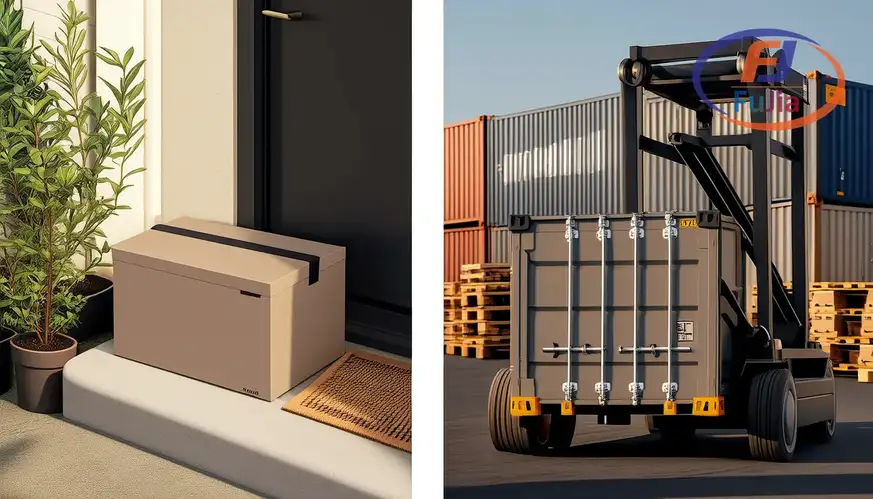
The damage-claim battle is the freight line’s shadow: a 100 kg machine shipped parcel-style arrives damaged often enough that unboxing video is standard practice among experienced buyers, and the claim runs on that footage. Freight damage is the recoverable failure, and the operational failures outside the window are the expensive ones.
Unboxing documentation in practice:
The deeper reality is that UV machines are maintenance relationships rather than appliances, and the white-ink ritual, the damper calendar, and the nozzle checks need support depth that email threads provide slowly. Buyers who already run UV machines can self-support from parts; first-time buyers meet their learning curve through a thread, and the thread is where the marketplace route costs its savings.The thread answers on business days, and machines fail on deadlines.
The Buying Routes Compared
| Route | Price posture | Support depth | Best for |
|---|---|---|---|
| Amazon/marketplace | $800-2,500, verified deals | email threads | experienced UV owners |
| factory direct | $1,799-2,800 floor | remote video + courier | first machines, technical buyers |
| domestic dealer | premium over factory | engineer dispatch | supported buyers |
| used specialty channel | 30-50% of new | none, self-service | inspection-capable buyers |
The routes table prices the tradeoffs, and the marketplace row’s best-for column is narrow and real: an experienced UV owner who can verify circulation and head brand from listing photos and spec tables buys convenience at marketplace speed, occasionally at genuine discounts. First-time buyers belong at factory direct, where the remote-video support walks the learning curve, and supported buyers pay the dealer premium for the dispatch that production schedules justify. The used specialty channel serves inspection-capable buyers at the deepest discounts, per the route-comparison logic our buying guides apply across every equipment class.
The price comparison normalizes to total first-year cost rather than to listing number, because the marketplace’s headline discounts sit next to consumable lock-in and unwarranted heads that invoice later. A $1,400 marketplace machine with locked ink and a gray-market head prices at $2,400 in year one against a $1,899 factory-direct floor machine with open firmware, and the factory machine is the cheaper one while being the better one, per the true-cost arithmetic our cheap-printer guide runs on the same market.
The Buyer the Amazon Route Genuinely Serves
The marketplace route genuinely serves three buyers, and naming them is fairer than dismissing the channel. The experienced UV owner replacing or adding a machine verifies specs personally and uses marketplace logistics as convenience. The gift-scale hobbyist whose projects run light-fabric work at occasional volume buys a sub-$1,000 machine with clear eyes about its limits, because the deleted engineering never enters their use case. And the bargain hunter with technician hands treats the marketplace as a parts-and-projects channel, converting the deletions into weekend work, per the buyer-profile honesty our guides apply to every market segment.
The buyer the route does not serve is the first-time business owner whose revenue will depend on the machine, because the deleted circulation deletes the white channel, the deleted support deletes the learning curve, and the deleted warranty deletes the head, and all three deletions land in month one through three. That buyer belongs at the floor machine with factory support, and the $500-800 saved by the marketplace listing is the most expensive saving in the category, per the same arithmetic our cheap-printer guide runs on the sub-floor market. We recommend first-timers run the three checks on any listing and buy where the checks pass with support attached, because the floor machine with a demo beats the marketplace listing with a discount.
The marketplace route in one view:
Can you buy a good UV flatbed printer on Amazon?
Yes, good UV flatbed printers appear on Amazon and marketplaces occasionally, typically genuine A3-class machines from established factories at $1,800-2,500, and the buying test is whether the listing documents white ink circulation, names the head brand, and states the firmware’s ink policy in writing. Listings below about $1,500 delete that engineering and bill it back in year one, and photos that crop the machine’s profile are cropping where the circulation pump lives. Experienced UV owners can verify from listings; first-time buyers should verify with the seller in writing or buy from channels whose support depth matches a learning curve.
How much does a UV flatbed printer cost?
A UV flatbed printer costs $1,799-2,800 at the honest floor tier, $3,500-8,000 in the mid class, and $9,000-28,000 for production gantries, with marketplace listings clustering at $800-2,500 below the floor where circulation, bed truth, head warranty, and firmware freedom are the deleted lines. The true first-year comparison prices machine, ink policy, head risk, and support exposure together, and that sum ranks the market more honestly than any listing number. The full ladder sits in our flatbed pricing guide, and the floor tier is the cheapest engineering that survives year one.
What are the disadvantages of buying a printer online?
Buying a printer online carries four disadvantages versus specialty channels: freight damage risk on 100-kilogram machines shipped parcel-style, with claim evidence resting on unboxing footage; email-thread support depth that walks learning curves slowly; return policies that cover arrival failures well but operation failures barely, since quality shows in month one; and consumable ecosystems that may lock to vendor ink after the invoice. The disadvantages manage with verified listings, unboxing video, and written pre-sale questions, and buyers who self-support UV machines lose little, while first-timers lose their learning curve to a thread.
What is the best UV flatbed printer for beginners?
The best UV flatbed printer for beginners is a floor-tier machine at $1,799-2,800 from a vendor whose support includes remote video assistance, carrying visible white circulation, a true vacuum bed, and a warrantied name-brand head, because beginners buy a maintenance relationship rather than an appliance. The three checks, circulation visible, bed proven on a demo, warranty documented, plus a written response from the support desk, filter every channel including marketplaces, and beginners who pass a marketplace listing on all three have found a genuine deal. Beginners who cannot verify should buy where verification walks them through setup, per the support-first logic our guides apply across every first-machine purchase.
Verdict
The UV flatbed printer on Amazon is a channel with a narrow honest niche: experienced owners and clear-eyed hobbyists buy genuine machines at marketplace convenience, while first-time business buyers meet the deletion economics, the freight reality, and the email-thread support curve that the floor machine’s vendor support exists to carry. Audit listings for circulation, head brand, and ink policy, film the unboxing, and price total first-year cost rather than listing numbers. The channel is real, and so is its gap, and the buyer who knows which side they stand on buys well. For floor-tier machines demonstrated on your own products with support that walks the learning curve, contact Fujia Print with your product list.
Sources
- Epson print heads: head specifications.
- Wikipedia: UV curing: LED ink chemistry.
- AATCC: durability testing standards.
- Fujia Print applications: production cases.
