
Printing machine manufacturing in China concentrates in two supply belts: the Guangdong cluster around Shenzhen and Guangzhou producing DTF, UV, and eco solvent platforms, and the Shanghai-Jiangsu belt leading wide-format roll and industrial lines, together supplying most of the world’s digital printing hardware at every price tier. The manufacturer map answers where each machine class lives, which factory tiers build it, and how buyers verify the factory behind the badge before wiring deposits. This page maps the geography, explains the tier structure, and hands buyers the vetting protocol that separates manufacturers from assemblers across every category.
\n\n\n\n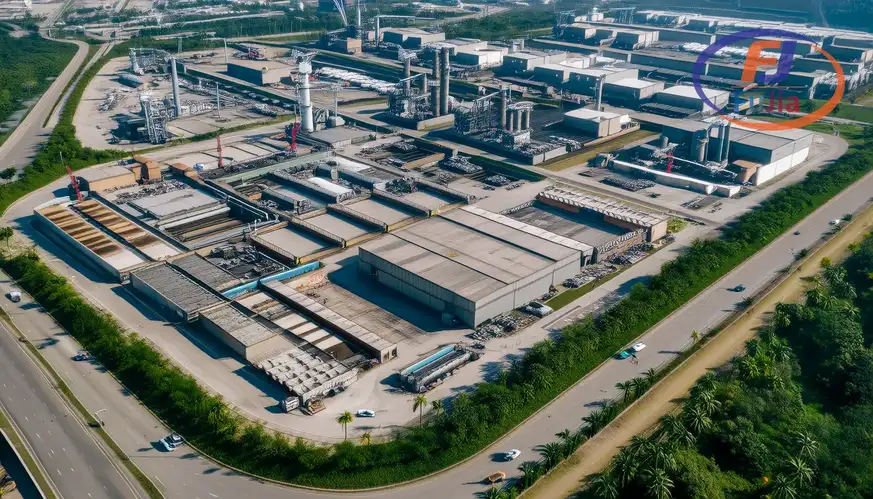
Key Takeaways
\n\n\n\n- \n\n\n
- Belt geography: Guangdong builds DTF, UV flatbed, and eco solvent platforms; Shanghai-Jiangsu leads wide-format roll and industrial single-pass lines. \n\n\n
- Factory tiers run from own-brand manufacturers with engineering teams through OEM builders serving dozens of badges to pure assemblers, at price bands of 30,000 dollars across categories. \n\n\n
- Price bands by category: DTF at $2,500-8,000, UV flatbed at $2,800-30,000, eco solvent at $3,000-30,000, all factory-direct with dealer channels adding 40-100% and landed budgets of 5,000-36,000 dollars for freight and duty. \n\n\n
- The vetting protocol runs five checks: live factory tour, your file demoed live, head and ink systems documented, spare parts itemized, and escrow payment, costing 2 hours of diligence against 30,000 dollars of exposure. \n\n\n
- We recommend buying from factories that demo the full working system on camera, because the machine and its consumables chain are one purchase in production reality. \n\n\n
The Belt Geography Table
\n\n\n\nThe geography table maps which machine classes each supply belt builds, and the clustering follows component supply chains rather than accident:
\n\n\n\n| Supply belt | \nMachine classes | \nStrength | \n
|---|---|---|
| Guangdong (Shenzhen, Guangzhou, Dongguan) | \nDTF, UV flatbed, eco solvent, heat presses | \ncomponent density, electronics | \n
| Shanghai-Jiangsu | \nwide-format roll, industrial lines | \nprecision engineering heritage | \n
| Zhejiang fringe | \nheat presses, consumables | \naccessory supply | \n
The belts in one frame, with the category pages that document each machine family:
\n\n\n\nThe Guangdong cluster’s dominance in DTF and UV comes from component density: heads, boards, inks, and film all source within hours of the assembly floor, which compresses the feedback loops that machine iteration depends on, per the supply-chain geography our DTF printers and UV printers pages document across printing categories. The Shanghai-Jiangsu belt carries the precision engineering heritage that wide-format roll platforms demand, and the two belts together cover every digital printing category a buyer sources.The buyer’s first map question is which belt builds their category, and the second is which factory tier within it they are talking to.
\n\n\n\nThe Factory Tier Structure
\n\n\n\nThe tier table contrasts the three factory models, and the accountability column is where the tiers genuinely differ:
\n\n\n\n| Tier | \nModel | \nEngineering | \nAccountability | \n
|---|---|---|---|
| Own-brand manufacturer | \nnamed product lines | \nin-house teams | \none badge, one throat | \n
| OEM builder | \nmachines for many badges | \nshared or minimal | \ndiffuse across badges | \n
| Assembler | \nboxed components | \nnone in-house | \nnone | \n
The tiers in one frame:
\n\n\n\nWhen it comes to the OEM layer, it delivers capable hardware at aggressive prices because shared platforms amortize engineering across many badges. The risk concentrates in accountability when firmware bugs or batch variance surface, because six badges pointing at one factory get answered in order of factory preference. Own-brand factories own their firmware and stock parts per model, which is the accountability that production buyers purchase, per the tier analysis our factory-vetting cases apply across equipment categories. We recommend buyers ask every supplier whether the badge is theirs or licensed, because the answer reframes every support promise that follows.
\n\n\n\nThe Vetting Protocol Across Categories
\n\n\n\nThe vetting table runs the five checks that apply to every printing machine category, and each verification runs on camera in a single session:
\n\n\n\n| Check | \nVerification | \nPassing evidence | \n
|---|---|---|
| Factory tour | \nlive video walkthrough | \nassembly and QC visible, 30 min | \n
| File demo | \nyour artwork printed live | \nyour design, their machine, 20 min | \n
| Systems documented | \nheads, ink, consumables in writing | \nitemized with brands | \n
| Spare parts pricing | \nitemized with lead times | \ndampers, heads, ink quoted in $ | \n
| Payment protection | \nescrow or trade assurance | \nmilestone terms | \n
The protocol in practice:
\n\n\n\nWe recommend the file demo as the universal deposit gate across DTF, UV, and eco solvent categories, because it verifies the factory exists, the machine runs, and your files print in twenty minutes that brochures and quotations never replace, per the sourcing protocol our verification cases apply across every equipment program we support. Payment through escrow converts the remaining risk into recoverable form, and the spare-parts pricing predicts the support relationship across the 3-5 year working life the machine should deliver. Category-specific questions layer on top. Shaker integration for DTF, white circulation for UV, and ink system documentation for eco solvent are the three failure-mode questions, and the buyer who knows their category asks them unprompted.
\n\n\n\n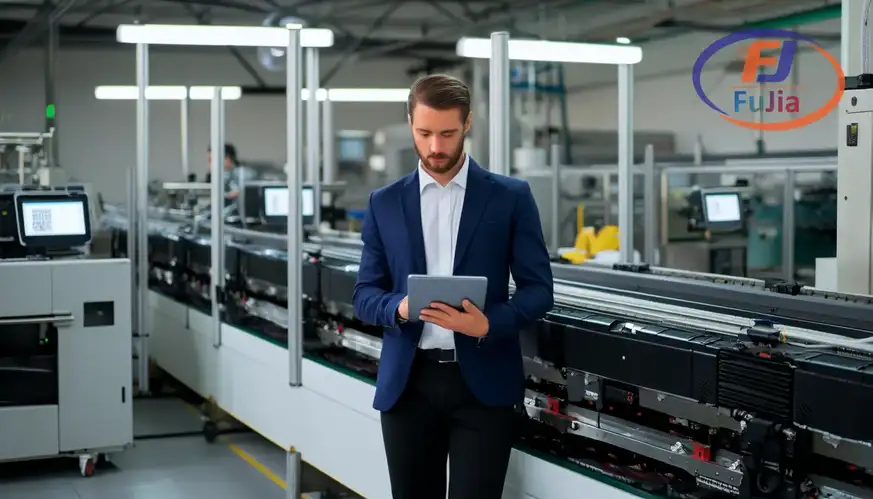
Who are the major printing machine manufacturers in China?
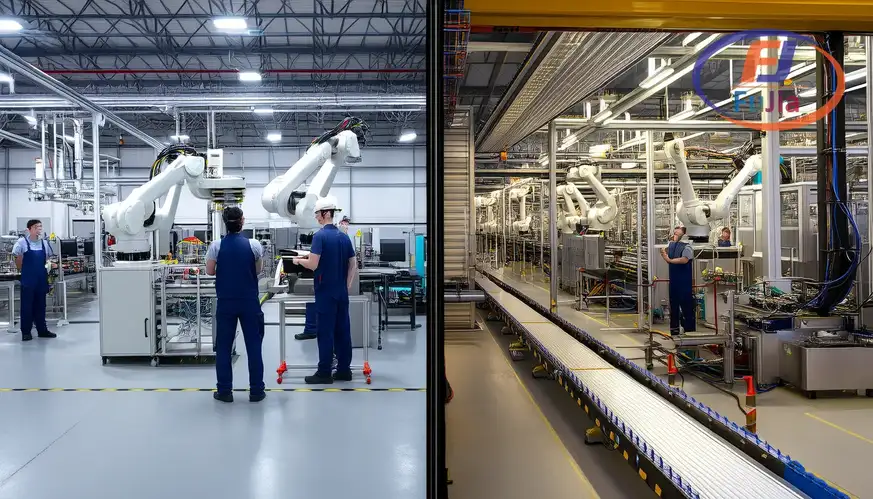
The major printing machine manufacturers concentrate in two supply belts: the Guangdong cluster around Shenzhen, Guangzhou, and Dongguan building DTF, UV flatbed, eco solvent, and heat press platforms, and the Shanghai-Jiangsu belt leading wide-format roll and industrial lines. Within each belt, the market runs from own-brand factories with named engineering teams through OEM builders serving dozens of importer badges to pure assemblers, and the buyer’s verification task is identifying which tier a quotation represents. Head sourcing, firmware ownership, and spare-parts inventory reveal the tier faster than any brand name, and the checks run in one 20-30 minutes video call.
How much do printing machines cost from China factories?
Printing machines from China factories cost $2,500-8,000 for DTF platforms by head configuration, $2,800-30,000 for UV flatbed classes from desktop to wide-bed, and $3,000-30,000 for eco solvent roll lines, all factory-direct before freight and duty. Dealer and importer channels add 40-100% over factory pricing while wrapping installation and service contracts around identical hardware. The landed budget runs 15-20% above machine price for freight, duty, and opening consumables, and that landed number is the only figure purchase decisions should run on.
Is it safe to buy printing machines from China?
Buying printing machines from China is safe when the purchase runs the five-check verification protocol: a live factory video tour, your file printed live on the actual machine, head and ink systems documented in writing, spare parts itemized with lead times, and payment through escrow or trade assurance with milestone terms. The protocol verifies machine, factory, and capability while quotations and brochures verify nothing, and the difference is exactly what the deposit is buying. The residual risk is service distance. Buyers who accept remote support consciously, stock the recommended spares, and buy from factories with documented parts inventory are the buyers the protocol protects, and that acceptance is a purchase criterion rather than a hope the deposit validates later.
How do I find a reliable printer factory in China?
Finding a reliable printer factory in China runs through B2B platform searches filtered by manufacturer status rather than trader status, followed by the five-check protocol on the shortlist: live video factory tour, live file demo on the actual machine, written documentation of head and ink systems, itemized spare-parts pricing, and escrow payment terms. The file demo is the universal deposit gate across every category, and a supplier who resists printing your artwork on camera has answered the reliability question before any money moved. Trade shows and sourcing agents add factory introductions, and the verification protocol is what qualifies them from any source a buyer will ever use.
Verdict
\n\n\n\nPrinting machine manufacturing in China maps to two supply belts covering every digital category: Guangdong building the DTF, UV, and eco solvent platforms that personalization and signage businesses buy, and Shanghai-Jiangsu building the wide-format lines that industrial programs run, with factory tiers from own-brand manufacturers to assemblers determining the accountability behind every badge. The five-check protocol of live tours, file demos, written systems, itemized parts, and escrow payment verifies any supplier in one session, and the file demo is the universal deposit gate. Know your category’s belt, identify the factory tier, and verify on camera before the wire. For vetted factory introductions across DTF, UV, and eco solvent categories, contact Fujia Print for sourcing support.
\n\n\n\nSources
\n\n\n\n- \n\n\n
- Wikipedia: Printing: industry overview. \n\n\n
- Epson industrial printheads: head platforms across categories. \n\n\n
- Wikipedia: Manufacturing: supply cluster economics. \n\n\n
- Fujia Print sourcing protocols: factory vetting across categories. \n\n\n
