

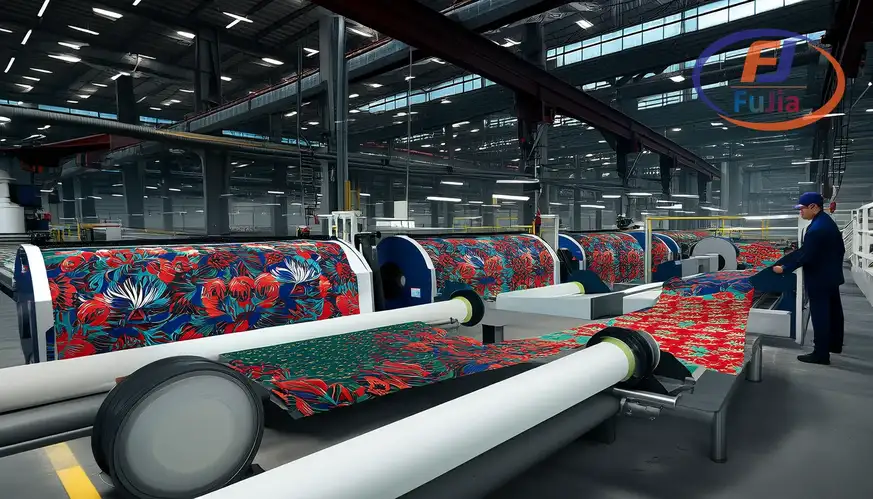
Searching a Hangzhou textile digital printing company by name, the way buyers do with terms like hangzhou fy textile digital printing co ltd, is really a search for the Yangtze delta cluster behind it: hundreds of roll-to-roll digital printers within a day’s freight of Shanghai port, printing reactive and pigment fabrics at $1.5-6 per meter with 200-2000 meter MOQs. Hangzhou sits at the center of China’s silk and polyester printing heritage, and the cluster’s scale is the buyer’s advantage and the vetting burden at once. This guide maps what the region prints, the chemistry split that decides your fabric choice, and the sampling protocol that turns a name search into a supply relationship.
Key Takeaways
- The Hangzhou-Zhejiang cluster prints digitally at $1.5-6 per meter with typical MOQs of 200-2000 meters per design.
- Reactive dye on cotton runs 1.8-3.2 m roll widths with steam fixation; pigment on polyester cures by heat and prints blends either chemistry cannot.
- Vetting is document-first: business license, machine census, wash-test reports, and a 50-100 meter paid sample before any production PO.
- Landed cost adds 15-25% over FOB for ocean freight to US ports on typical fabric densities.
- We recommend dual-sourcing within the cluster after the first season, because single-supplier fabric lines fail at reorders, not at first runs.
What the Hangzhou Cluster Actually Prints
| Capability | Range | Notes |
|---|---|---|
| roll-to-roll digital | 1.8-3.2 m widths | polyester, cotton, blends |
| MOQ per design | 200-2000 m | sample runs 50-100 m |
| price per meter | $1.5-6 FOB | by chemistry and weight |
| lead time | 10-25 days | after art approval |
| freight to US | +15-25% | ocean, 25-35 days |
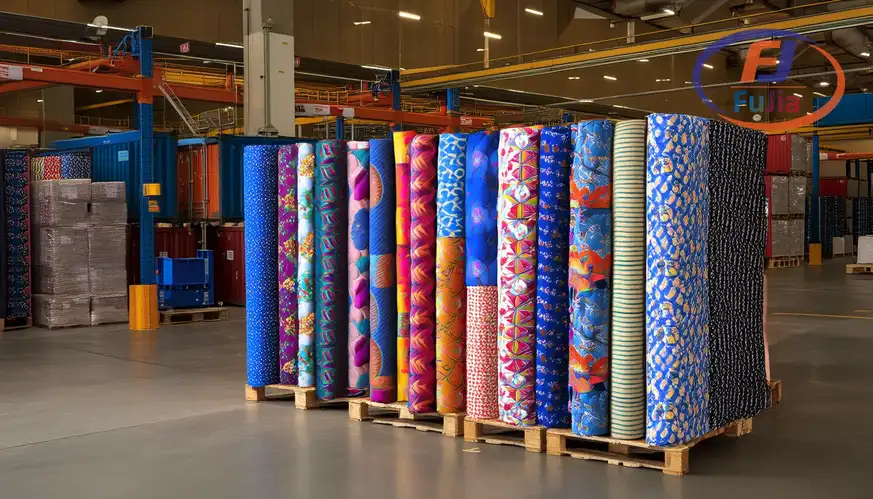
The capability table is the cluster’s business card, and the width row matters more than buyers expect: 1.8 m covers apparel panels and home decor yardage, while 3.2 m serves wide-format home textiles without a seam, and a supplier’s machine census answers both. MOQs at 200-2000 meters reflect digital economics, short runs stay affordable, and the sample tier of 50-100 meters is the standard first order that converts a name search into tested reality. Prices sit at $1.5-6 FOB by chemistry and fabric weight, and the freight row adds the 15-25% that lands the fabric at your port, per the landed-cost arithmetic our sourcing guides apply to every China fabric program.
Hangzhou’s heritage explains its present. The city built China’s silk printing industry over decades, and the digital transition kept the dye chemistry, the finishing houses, and the freight corridors while replacing screens with print heads, so the cluster today pairs old-economy textile depth with new-economy digital flexibility. Buyers find everything from silk scarves at luxury grades to polyester activewear fabrics at volume pricing, and the surrounding Zhejiang towns add finishing, cutting, and sewing within the same freight day. That density is why a Hangzhou search returns so many plausible names, and why vetting rather than finding is the buyer’s real work.
Reactive Versus Pigment: The Chemistry Split
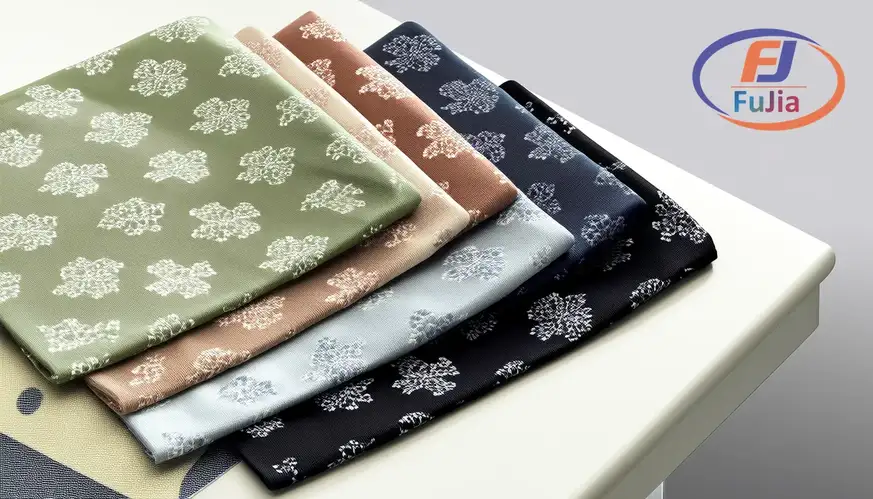
The chemistry question precedes the supplier question, because it decides which fabrics are even on the table. Reactive dye bonds chemically with cellulose fibers, cotton, linen, rayon, and it delivers the softest hand and the best wash durability after steam fixation, at the cost of a wash-and-finish step the supplier must run in-house or subcontract. Pigment printing sits on the surface with a binder and cures by heat, printing polyester, blends, and naturals alike with one workflow, at slightly stiffer hand and good-enough wash performance for most decor and craft applications.
The practical split by product is clean. Apparel that touches skin all day justifies reactive cotton, because hand and drape sell garments, and the steam fixation step is a solved problem at every serious Hangzhou mill. Home decor, tote bags, banners, and craft fabrics run pigment happily, accepting the hand trade for one-workflow simplicity and polyester pricing. Blends follow the binder, and buyers who arrive knowing their product’s chemistry hold better supplier conversations, because the mill’s sales team tests seriousness by the chemistry question, per the fabric-class logic our digital textile guides document for the whole industry, alongside the promotional products fabric programs that import through this cluster.
Wash durability is the verification point where chemistry claims meet laundry reality, and the 5-cycle wash test at 40 °C is the cluster’s de facto standard. A 100-meter sample printed with your design, washed five cycles, and compared against the first wash tells you what a season of consumer use will look like, and mills that resist the test are answering a different question. We recommend running the test on both your lightest and darkest colors in the design, because migration shows in the darks first.
Vetting a Supplier Found by Name
| Check | What to request | Red flag |
|---|---|---|
| business license | registered entity and scope | refuses or delays |
| machine census | head types, widths, count | vague “we have many” |
| wash test report | third-party or in-house data | no test culture |
| sample order | 50-100 m paid, your design | sample-free promises |
| trade references | two current export clients | none offered |
The vetting table is document-first for a reason: names and websites cost nothing, and the license, the machine census, and the wash reports cost the supplier a little honesty, which is exactly what you are buying. A mill that answers the census with specific head types and roll widths is telling you its capacity truthfully, while vague answers predict vague lead times. The paid sample row is the pivot from vetting to doing business, because 50-100 meters of your actual design is the cheapest real test of color management, hand, and weight, and no certificate substitutes for it. Trade references close the file, and two current export clients who answer email are worth more than any trade-show booth, per the vetting discipline our fabric sourcing guides prescribe across Asian clusters.
Payment terms complete the vetting picture, and the cluster norm is 30% deposit with 70% against the bill of lading copy, which balances both sides of a first order. New buyers sometimes push for escrow or letter-of-credit terms on small orders, and mills decline not from weakness but from process friction, so the deposit norm with a verified entity is the pragmatic path. When it comes to first orders, they exist to test the relationship at survivable size. A 500-meter first PO that tests color, hand, delivery. Communication costs a four-figure sum rather than a reputation.
From Sample to Production: The Protocol That Works
The path from a name search to a production relationship runs a fixed protocol, and each stage has an exit criterion. The document stage ends when licenses and machine census check out. The sample stage ends when your 50-100 meters arrive, pass the 5-cycle wash, and match the agreed hand and weight. The first production order ends when it ships on time at sample-identical quality, and only then does the reorder cadence begin, at 6-8 weeks of stock coverage given the 10-25 day production plus 25-35 day ocean transit. Buyers who compress stages buy the same lessons at production prices instead of sample prices.
Communication cadence matters more in fabric than in hard goods, because designs iterate. A supplier who returns lab dips or strike-offs within 3-5 days is telling you their color-management culture, and the strike-off round, small runs of your design for color approval, is where Hangzhou mills differentiate sharply. We recommend approving color on physical strike-offs rather than on screen, because Pantone promises and calibrated monitors both lie by a visible amount, and the physical sample is the only color contract that survives production, per the color-approval discipline our textile printing guides document. Strike-off speed is the single best culture signal a mill sends.
A sourcing case we supply anchors the protocol: an apparel startup that found its Hangzhou mill through a directory name search, ran the document checks in a week, ordered 100 sample meters of its flagship print, and production-launched on a 1200-meter PO eight weeks after the first email, with the mill’s strike-off turnaround at four days signaling the color culture that held through three reorders. The protocol is unglamorous and it works, per the relationship-playbook cases our sourcing pages document for first-time fabric importers.
How do I verify a Hangzhou textile digital printing company?
Verification runs five checks in order: the registered business license with matching scope, a machine census naming head types and roll widths, wash-test documentation for your fabric class, a paid 50-100 meter sample of your own design, and two trade references among current export clients. The document checks cost the supplier honesty rather than money, and the sample converts the file from paper to fabric evidence with the 5-cycle wash at 40 °C as the pass bar. Mills that delay the license or dodge the census are answering your question early. The protocol takes 2-4 weeks, and it prevents production-order regrets at a hundred times the sample price.
What is the MOQ for digital textile printing in China?
Digital textile printing MOQs in the Hangzhou cluster run 200-2000 meters per design at production, with 50-100 meter sample runs as the standard entry order. The MOQ varies by chemistry and mill scale, reactive cotton programs sit at the higher end, and pigment polyester lines flex lower for repeat clients. Buyers comparing MOQs should compare them per design rather than per order, because a mill printing five designs at 200 meters each is different from one demanding 2000 up front. The sample tier is the real MOQ for new relationships, and it prices the vetting honestly before any production commitment. MOQ flexibility at the sample stage predicts flexibility at the reorder stage.
How much does digital fabric printing cost per meter?
Digital fabric printing in the Hangzhou cluster costs $1.5-6 per meter FOB by chemistry, fabric weight, and ink coverage, with reactive cotton at the mid-to-high range and pigment polyester at the low end. Landed cost adds 15-25% for ocean freight to US ports on typical densities, and the landed figure, not the FOB quote, belongs in margin calculations. Sample runs price 20-50% above production rates because setup amortizes over fewer meters, which is normal rather than a red flag. Buyers comparing quotes should fix the fabric spec first, because a lighter-weight polyester will always beat a heavyweight cotton on price while answering a different question. Same spec, same weight, same chemistry: that is the only quote comparison that means anything.
How long does production and shipping take?
Digital textile production runs 10-25 days after art approval in the Hangzhou cluster, and ocean freight to US ports adds 25-35 days, so the full cycle sits at 5-9 weeks with air freight cutting the transit leg to 5-8 days at a multiple of the cost. The reorder cadence that survives this cycle is 6-8 weeks of stock coverage, and buyers who skip the reorder point buy air freight or stockouts, both pricier than planning. Strike-off rounds add 3-5 days each and belong in the timeline before production starts. First orders run at the long end of every range, reorders earn the short end, and that difference is itself a reason to keep one supplier happy rather than three suppliers shallow.
Verdict
A Hangzhou textile digital printing search succeeds on protocol rather than luck: the Yangtze cluster prints reactive and pigment fabrics at $1.5-6 per meter with 200-2000 meter MOQs, and the buyer who verifies documents, samples 50-100 meters of their own design, wash-tests five cycles, and approves color on physical strike-offs turns any plausible name into a tested supply line. Plan the 5-9 week cycle, hold the 6-8 week reorder point, and dual-source within the cluster once the first season proves the designs. The cluster is deep, the protocol is short, and the fabric speaks for the mill. For supplier-vetted fabric programs and printing support on your own designs, contact Fujia Print with your fabric spec.
Sources
- Wikipedia: Digital textile printing: technology overview.
- Wikipedia: Reactive dye: cellulose chemistry.
- AATCC: wash durability standards.
- Fujia Print textile sourcing: fabric program cases.
