

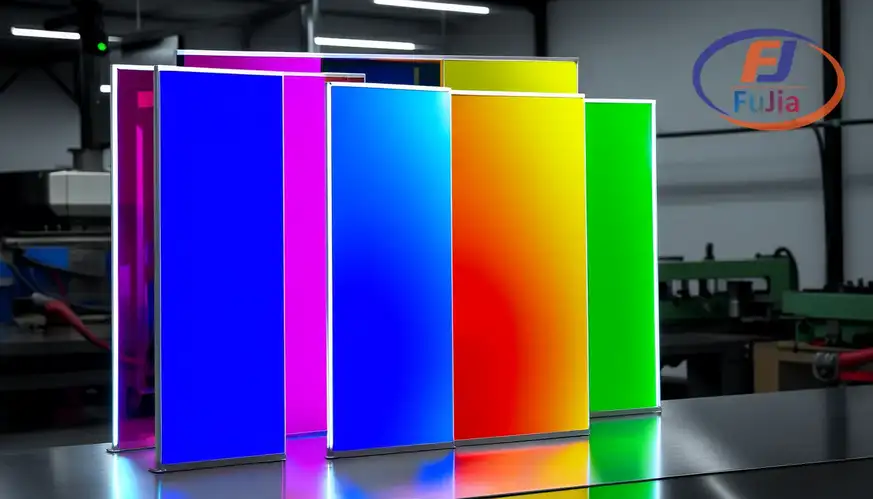
Acrylic signage printing in 2026 runs through UV flatbed direct printing as the production standard, with 3-10 mm cast acrylic sheets taking full-color graphics at $8-90 per finished piece depending on size and edge finishing. UV-cured ink bonds to acrylic’s polished surface without primer, cures instantly under LED lamps, and holds outdoor color for 3-5 years, which is why the method displaced vinyl overlay in professional shops. This page walks the process choices, the thickness and light-pipe decisions, and the piece-cost model that prices a finished sign.
Key Takeaways
- UV direct printing is the standard process: ink cures at 385 nm LED in one pass on 3-10 mm cast acrylic, and second-surface printing adds depth and protection.
- Cast acrylic beats extruded for printing: its surface energy accepts UV ink at 32-38 dyne without corona treatment, and it stays flat at 4×8 foot sizes.
- Piece pricing runs $8-25 for 30×30 cm plaques, $25-60 for 60×60 cm office signs, and $60-90 or more for 120×60 cm panels with standoffs.
- Second-surface (reverse) printing gains 20-30% price over first-surface because registration and inspection are stricter, and it reads richer behind 3 mm clear faces.
- We recommend sampling adhesion on every new acrylic batch, because extruded stock and coating variations cause the ink failures that returns are made of.
Process Table: UV Direct, Second Surface, and Vinyl Overlay
The three processes partition by look, durability, and price, and the table maps where each one wins. All figures assume cast acrylic and LED-cured UV ink:
| Process | Look | Outdoor life | Relative cost | Best use |
|---|---|---|---|---|
| UV direct, first surface | saturated, visible ink layer | 3-5 years | baseline | wall signs, POS |
| UV direct, second surface | deeper, glass-like | 5+ years protected | +20-30% | reception, awards |
| Vinyl overlay | flat color, edges visible | 2-4 years | -10-20% | short-run, budget |
The process in production:
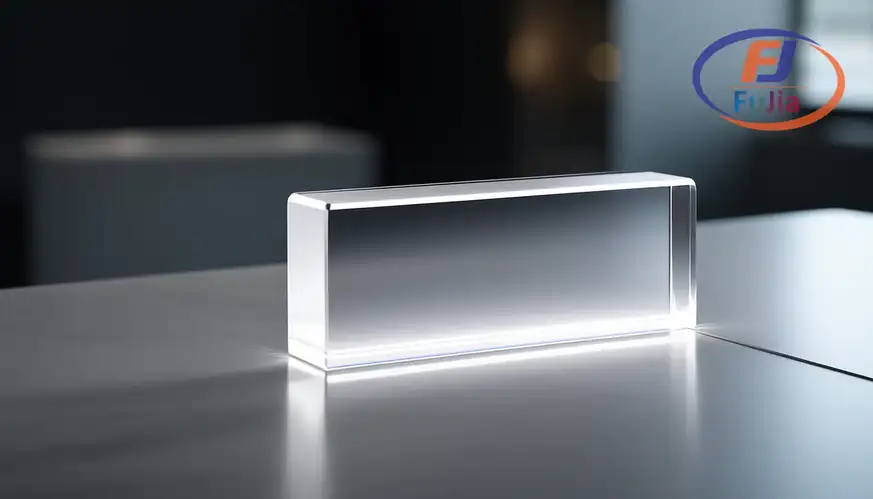
Second-surface printing is the professional differentiator: the machine prints a mirrored image on the back face of clear acrylic, the sheet becomes its own protective glazing, and the graphic gains the depth that clients read as premium, per the finishing standards our signage and display operations apply to reception and retail work.The process choice follows viewing distance: first-surface wins atPOS and close viewing where ink texture is invisible, and second-surface wins at reception desks and lobbies where the sign is touched, cleaned, and photographed. Vinyl overlay survives only at the budget tier, because visible film edges and 2-4 year outdoor life lose bids that direct printing wins on longevity alone.
Thickness, Light, and the Material Decisions
The material table prices the acrylic decisions that shape both cost and look, and thickness is the fork most buyers face first:
| Thickness | Typical use | Sheet behavior | Price impact |
|---|---|---|---|
| 3 mm | plaques, photo panels | light, needs full backing | baseline |
| 5 mm | office signs, shelf strips | self-supporting to 60 cm | +15-25% |
| 8-10 mm | standoffs, blade signs | rigid, polishes edges well | +40-60% |
| frosted 3 mm | backlit, privacy signs | diffuses LED evenly | +20% |
The material bench in view:
When it comes to thickness, it is structural before it is optical, because a 60×60 cm panel carries its own weight on four standoffs only above 5 mm. Undersized stock bows within months under its own creep. Cast versus extruded matters as much as thickness: cast acrylic holds flatness at sheet sizes, takes UV ink at its native 32-38 dyne surface energy. Polishes to flame-treated edges, while extruded stock is cheaper per sheet but asks for corona treatment on some batches and warps more readily under heat, per the material notes our UV media guides document across suppliers. We recommend buyers standardize on 5 mm cast stock for everything up to 60×60 cm, because one spec covers 80% of commercial signage and removes a decision from every quote.
The Piece-Cost Model and Buyer Matching
The pricing table converts process and thickness into finished-piece numbers at trade volumes, and the figures reflect typical factory-direct quotes:
| Finished piece | Process | Piece price at 50 pcs | Retail price |
|---|---|---|---|
| 30×30 cm plaque, 3 mm | UV first surface | $8-14 | $35-60 |
| 60×60 cm office sign, 5 mm | UV second surface | $25-40 | $90-150 |
| 120×60 cm panel, 5 mm | UV first surface | $45-70 | $150-260 |
| 120×60 cm with standoffs, 10 mm | UV second surface | $60-90 | $220-380 |
The finished pieces on display:
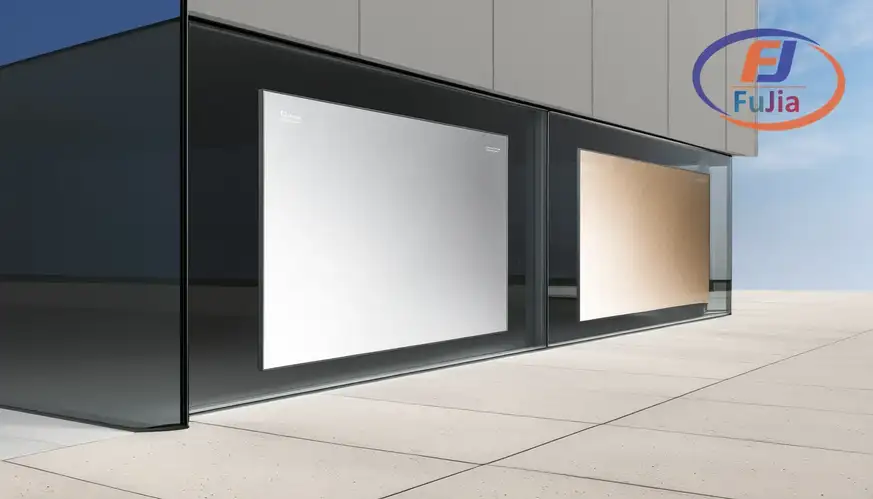
A corporate-gift studio we supply prints 300 second-surface plaques monthly on a 6090 UV flatbed at $9-12 piece costd its jigs hold twelve 30×30 cm blanks per pass at 8 minutes of cycle time, which prices the machine hour at $90-140 of output and explains why acrylic decoration margins run 70-85% for equipped shops, per the program economics our promotional products cases document for awards lines. The buyer match follows volume: corporate programs and sign shops justify machines, Etsy-scale sellers buy finished pieces from trade printers at the left-column prices, and retail chains order by the pallet where the 50-piece pricing compresses another 15-25%. We recommend every buyer sample first, because adhesion on a given acrylic batch is cheap to test and expensive to discover in a returned order. Batch testing is a habit that costs minutes and saves entire production runs.
How much does acrylic signage cost?
Acrylic signage costs $8-90 per finished piece at trade volumes depending on size, thickness, and process: 30×30 cm plaques on 3 mm stock run $8-14 first-surface, 60×60 cm office signs on 5 mm run $25-40 second-surface, and 120×60 cm panels with 10 mm stock and standoffs run $60-90. Retail pricing runs 3-4x trade at $35-380 per piece. Second-surface printing adds 20-30% over first-surface. Thickness steps add 15-60%, and 50-piece volumes compress unit pricing 15-25% against single-piece orders. The finish tier, not the panel size, is what moves the quote most.
Where can I get something printed on acrylic?
Acrylic printing is available from three channel tiers: local sign shops for single pieces and rush work at retail pricing, trade printers and factory-direct UV shops for volume orders at $8-90 per piece, and online custom-print platforms for standardized photo panels and plaques. Volume buyers should request UV direct printing on cast acrylic specifically, because the channel mixes processes and stock quality varies. For production programs, factory-direct suppliers quote piece pricing with jigs and second-surface options. Sample blanks before committing a batch, because adhesion varies by acrylic lot more than any other variable.
Can you print directly on acrylic with a UV printer?
Yes, UV printers print directly on acrylic, and cast acrylic is one of the best UV substrates because its surface energy at 32-38 dyne accepts UV-cured ink without corona treatment or primer. The ink cures instantly under 385 nm LED lamps, bonds for 3-5 years outdoors on first-surface work, and prints mirrored on second-surface applications where the acrylic becomes its own protective face. Extruded acrylic prints as well on most batches but benefits from adhesion sampling per lot, and frosted stock prints beautifully for backlit applications with white ink underlay.
Which is better, first surface or second surface acrylic printing?
Second-surface printing is better for premium applications because the graphic sits behind the acrylic face, gaining depth, scratch protection, and easy cleaning, and it reads richer on clear 3-5 mm stock at reception and lobby viewing distances. First-surface printing is better for budget and POS applications because it skips the mirrored-registration work, costs 20-30% less, and performs fine where the sign is viewed close and not handled. Outdoor work with edge exposure favors first-surface with sealed edges, and touched or photographed installations always justify the second-surface premium.
Verdict
Acrylic signage printing in 2026 is a UV direct-printing discipline: cast acrylic at 3-10 mm, LED-cured ink at 385 nm, second-surface work for premium looks at a 20-30% premium, and finished pieces from $8 to $90 at trade volumes with 70-85% margins for equipped shops. Material choices outrank machine settings, because cast stock, 5 mm standardization, and per-batch adhesion sampling prevent the failures that returns are made of. Match the process to viewing distance, buy thickness for structure rather than looks, and sample every batch. For piece pricing or a UV machine quote against your sign catalog, contact Fujia Print for factory-side numbers.
Sources
- Wikipedia: Poly(methyl methacrylate): acrylic material science and cast versus extruded differences.
- Wikipedia: UV curing: LED ink adhesion chemistry.
- SGIA signage resources: industry finishing and installation standards.
- Fujia Print promotional products cases: awards and gift program economics.
