
An acrylic UV printing machine supplier in China sells flatbed platforms from $2,800 desktop classes to $30,000 production beds, every one of them printing acrylic natively because cast acrylic’s surface energy accepts UV ink without primer, and the sourcing decision runs on thickness handling, vacuum quality, and supplier service rather than on acrylic capability itself. Acrylic is the marquee substrate of the UV category, and the supplier who demonstrates clean second-surface printing on 5 mm cast stock in a live video is selling the machine honestly. This page tiers the suppliers, specs the acrylic handling that matters, and hands buyers the demo protocol that verifies claims before deposits.
\n\n\n\n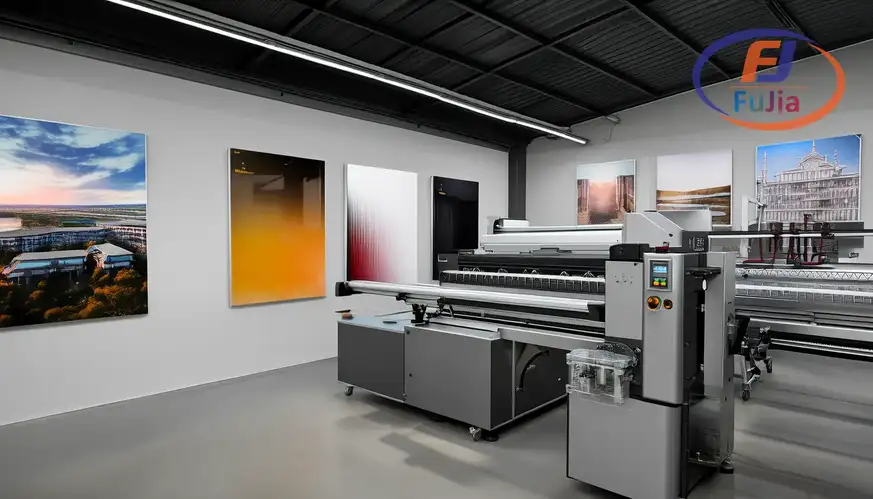
Key Takeaways
\n\n\n\n- \n\n\n
- Supplier tiers: desktop 2030-A3 at $2,800-3,500, 6090 class at $3,500-16,000, 2513 wide beds at $18,000-30,000, all printing acrylic natively. \n\n\n
- Acrylic handling specs to verify: media height of 6-10 cm minimum, vacuum hold-down quality on smooth surfaces, and 3-10 mm stock range in writing. \n\n\n
- Second-surface printing is the acrylic premium workflow, and a live demo on your own 5 mm clear stock is the verification that matters. \n\n\n
- Adhesion on cast acrylic needs no primer at 32-38 dyne surface energy, and extruded stock varies by batch, which the wash test catches. \n\n\n
- We recommend the live second-surface demo on your own blank as the deposit gate, because acrylic printing claims verify in twenty minutes or they do not. \n\n\n
The Supplier Tier Table
\n\n\n\nThe tier table structures the supplier market by machine class, and the acrylic capability is table stakes at every tier. Prices are factory-direct:
\n\n\n\n| Tier | \nBed size | \nPrice band | \nHeads | \nacrylic fit | \n
|---|---|---|---|---|
| Desktop | \n20×30 to 30×42 cm | \n$2,800-3,500 | \n1-2 XP600 | \nplaques, small awards | \n
| 6090 production | \n60×90 cm | \n$3,500-16,000 | \n2-3 XP600/i3200 | \nfull product range | \n
| 2513 wide bed | \n120×250 cm | \n$18,000-30,000 | \n2-4 Gen5 | \npanel and sheet work | \n
The supplier market in one frame:
\n\n\n\nThe 6090 tier serves most acrylic businesses because its bed fits the plaques, signs, and decor products that cast-acrylic catalogs sell, while the desktop tier validates and the 2513 tier waits for sheet-scale panel work, per the tier structure our UV printers pillar documents across supplier families.The supplier conversation should start with your actual acrylic product list rather than with machine brochures, because every tier prints acrylic and only your catalog decides which bed size is honest.
\n\n\n\nAcrylic Handling Specs That Matter
\n\n\n\nThe spec table lists the machine characteristics that decide acrylic results, and each line belongs in the supplier conversation with numbers attached:
\n\n\n\n| Spec | \nAsk for | \nWhy it matters | \n
|---|---|---|
| Media height | \n6-10 cm minimum | \nthick acrylic plus jigs | \n
| Vacuum quality | \nzone or full-bed | \nsmooth acrylic slides on weak vacuum | \n
| Thickness range | \n3-10 mm in writing | \nbatch variance handling | \n
| White channel | \nrequired for clear stock | \nvisibility on transparent | \n
| Second-surface workflow | \ndemonstrated live | \nthe premium acrylic product | \n
The specs in practice:
\n\n\n\nWhen it comes to vacuum on acrylic, polished stock is the slipperiest surface a flatbed holds. Weak vacuum shows as registration drift mid-pass that ruins second-surface alignment, which is why zone vacuum or pin-registration accessories belong in the purchase conversation. Second-surface printing mirrors the artwork onto the back face of clear stock. The acrylic becomes its own protective glaze at a 20-30 percent price premium, per the finishing economics our signage and display cases document for acrylic programs. We recommend buyers bring 5 mm clear cast blanks to the demo, because the supplier’s stock may be pre-treated in ways a customer’s batch will not be.
\n\n\n\nThe Demo Protocol and Vetting
\n\n\n\nThe protocol table sequences the supplier verification, and every step runs on video against your own materials. The whole protocol fits one afternoon:
\n\n\n\n| Step | \nAction | \nVerification | \n
|---|---|---|
| 1 | \nfactory tour by live video | \ncoating and assembly visible | \n
| 2 | \nprint your file on your blank | \nyour design, their machine | \n
| 3 | \nsecond-surface demo on 5 mm stock | \nmirrored registration | \n
| 4 | \nadhesion test | \ntape test post-cure | \n
| 5 | \nparts pricing in writing | \ndampers, heads, ink itemized | \n
The vetting in practice:
\n\n\n\nWe recommend the second-surface live demo as the deposit gate, because it verifies registration, vacuum, white underlay, and the supplier’s honesty in a single pass, per the sourcing protocol our supplier-vetting cases apply across equipment purchases. Payment through trade assurance with milestone terms converts remaining risk into recoverable form, and the adhesion tape test after cure confirms what the print alone cannot. The deepest vetting signal is spare-parts pricing in writing. A supplier who quotes dampers and heads itemized expects to support the machine, and that expectation is what a deposit actually buys.
\n\n\n\n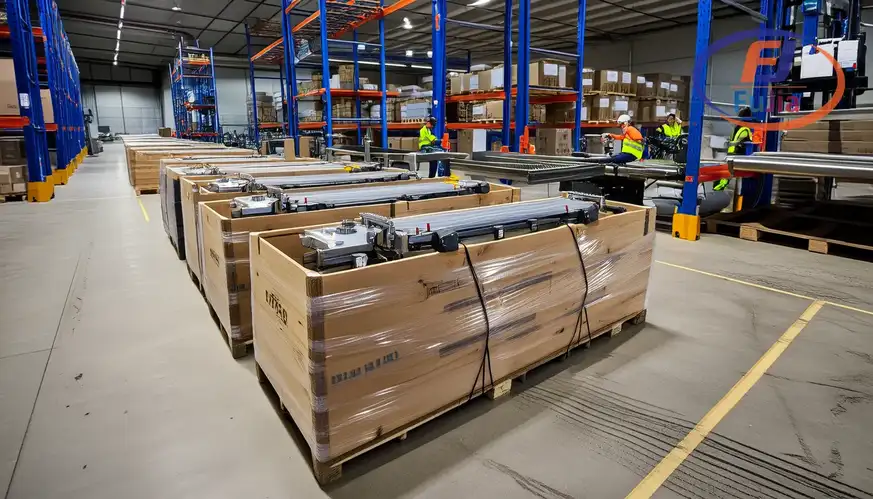
Can a UV printer print on acrylic?
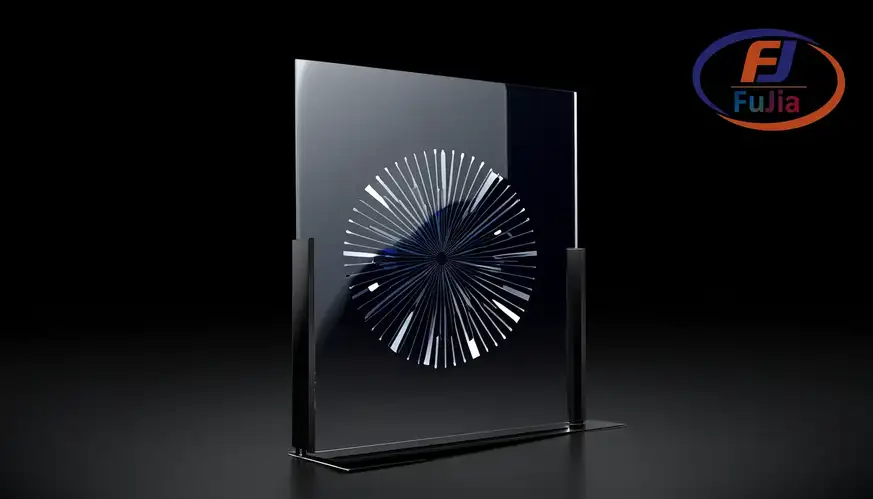
A UV printer prints on acrylic directly and excellently, because cast acrylic’s surface energy at 32-38 dyne accepts UV-cured ink without primer, and results survive cleaning abrasion and indoor display for years. Cast stock prints most reliably while extruded batches vary, which the tape test per batch catches, and second-surface printing on clear acrylic delivers the premium mirrored look where the acrylic becomes its own protective face. White ink underlay is standard for visibility, and desktop through production flatbeds all handle acrylic within their media height limits.
How much does an acrylic UV printing machine cost?
An acrylic UV printing machine costs $2,800-3,500 at desktop 2030-A3 sizes, $3,500-16,000 in the 6090 production class that serves most acrylic businesses, and $18,000-30,000 for 2513 wide beds handling sheet panel work. The 6090 tier fits plaques, signs, and decor products at 70-85 percent margins and pays back inside 200-400 pieces. Factory-direct pricing drives these bands, dealer channels add 40-100 percent. Every tier prints acrylic natively because the substrate is the UV category’s marquee stock, and the tier choice follows your product catalog rather than any capability claim.
What should I look for in a UV printer supplier for acrylic work?
Look for five things in a UV printer supplier for acrylic work: media height of 6-10 cm minimum with 3-10 mm thickness range confirmed in writing, zone or full-bed vacuum quality for smooth polished stock, a white ink channel for clear-stock visibility, a live second-surface demo on your own 5 mm blanks, and itemized spare-parts pricing with lead times. The second-surface demo on your stock is the deposit gate, because it verifies registration, vacuum, and honesty in one pass. Payment through trade assurance with milestone terms converts the remaining risk into recoverable form.
Is acrylic UV printing profitable?
Acrylic UV printing is profitable at 60-85 percent margins across its product lines: second-surface plaques cost $6-9 to produce against $35-60 corporate prices, decorative panels retail at $25-120, and awards run $15-50 against single-digit production costs. A working 6090 station pays back inside 200-400 pieces, and cast acrylic blanks at $2-8 per piece keep the consumable line thin. Profitability concentrates in second-surface workflow mastery and corporate client relationships, because the premium mirrored look is what customers pay the acrylic price for.
Verdict
\n\n\n\nAcrylic UV printing machine suppliers in China sell tiers from $2,800 desktops to $30,000 wide beds, every one printing cast acrylic natively at 32-38 dyne surface energy, and the sourcing decision runs on media height, vacuum quality, and second-surface capability rather than on acrylic claims that every tier makes. The live second-surface demo on your own 5 mm blanks is the deposit gate, the tape test per batch catches extruded variance, and itemized spare-parts pricing in writing is what a deposit actually buys. Bring your blanks to the demo, verify in writing, and let the mirrored print close the choice. For acrylic-capable flatbeds with demo-ready support, contact Fujia Print for factory-side sourcing.
\n\n\n\nSources
\n\n\n\n- \n\n\n
- Wikipedia: Poly(methyl methacrylate): acrylic material properties. \n\n\n
- Wikipedia: UV curing: LED ink adhesion chemistry. \n\n\n
- Wikipedia: Vacuum table: hold-down fundamentals. \n\n\n
- Alibaba trade assurance: sourcing payment protection. \n\n\n
- SGIA printing resources: equipment evaluation standards. \n\n\n
- Fujia Print supplier vetting cases: acrylic sourcing protocols. \n\n\n
