

UV flatbed printers print on glass directly and durably: clear and frosted stock accepts LED-cured ink at 385-395 nm without primer in most cases, second-surface printing behind 3-5 mm glass creates the depth effect that commands premium pricing, and properly applied prints survive 30-plus indoor years and years of wash on drinkware. Glass is among the most rewarding UV substrates because its non-porous surface produces the sharpest edge definition of any common material, and its transparency opens second-surface effects no opaque substrate can offer. This page covers adhesion behavior by glass type, the second-surface technique, preparation requirements, and the product economics of glass decoration.
\n\n\n\n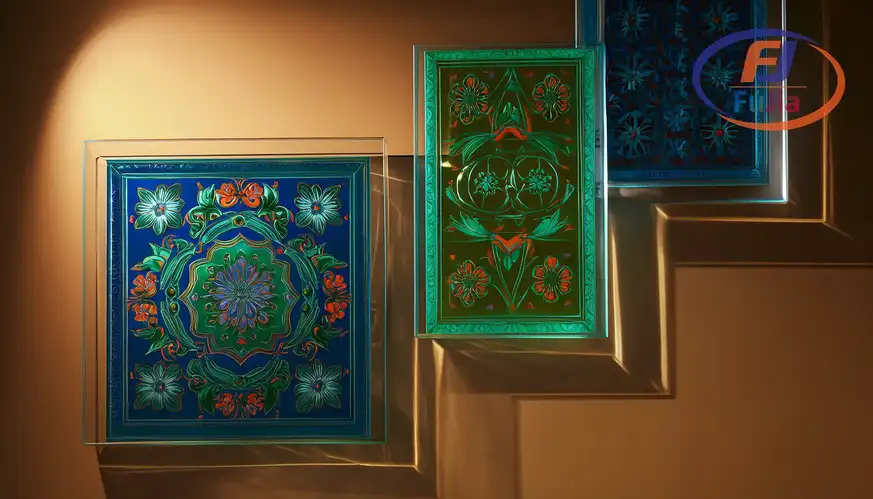
Key Takeaways
\n\n\n\n- \n\n\n
- Adhesion on glass is native: UV ink bonds to clean glass at 385-395 nm curing without primer, though promotional wraps on drinkware benefit from promoter. \n\n\n
- Second-surface printing mirrors artwork onto the back of clear glass, gaining scratch protection, easy cleaning, and the depth effect clients pay 20-30 percent more for. \n\n\n
- White ink underlay is the technique behind color-on-clear glass: colors print over a white base that blocks transparency and drives saturation. \n\n\n
- Prep is 15 seconds: isopropyl degrease, lint-free wipe, and fingerprint discipline, because surface oils are the primary failure cause on glass. \n\n\n
- We recommend glass awards, candle vessels, and frame panels as the entry product lines, since flat stock prints easiest while the market pays premium prices. \n\n\n
The Glass Type Table
\n\n\n\nThe type table ranks glass stocks by UV printing behavior, and the surface finish drives both adhesion and effect options:
\n\n\n\n| Glass type | \nAdhesion | \nBest technique | \nProduct fit | \n
|---|---|---|---|
| Clear float | \nexcellent | \nsecond surface | \nawards, frames, panels | \n
| Frosted | \nexcellent | \nfirst surface, white base | \nsignage, privacy decor | \n
| Tempered drinkware | \nvery good | \npromoter + first surface | \nbottles, glassware | \n
| Mirrored | \nvery good | \nfirst surface | \ndecor, retail | \n
Second-surface depth in view:
\n\n\n\nThe second-surface technique is glass printing’s signature move: the machine prints artwork mirrored onto the back face, the glass becomes its own protective glazing, and the graphic gains optical depth that first-surface work cannot match, per the technique standards our UV printers application guides document across transparent substrates.Second-surface work commands its 20-30 percent premium honestly, because the registration and inspection demands are stricter, and clients read the finished depth as quality their competitors’ vinyl cannot approach.
\n\n\n\nAdhesion, Prep, and the White Ink Technique
\n\n\n\nThe prep table specs the application protocol per glass context, and the white-ink row explains color on a transparent medium. All figures assume LED-cured UV ink at production settings:
\n\n\n\n| Context | \nPrep | \nWhite ink role | \nPromoter | \n
|---|---|---|---|
| Awards and panels | \nisopropyl wipe | \nunderlay for color | \nno | \n
| Frosted signage | \nthorough degrease | \noptional backing | \nno | \n
| Drinkware wraps | \ndegrease + promoter | \nunderlay mandatory | \ncurved wraps yes | \n
| Mirrored decor | \ngentle degrease | \navoid coating damage | \nno | \n
The white-ink technique in practice:
\n\n\n\nWhen it comes to printing color on clear glass, unbacked color reads as translucent shadow. The white underlay printed beneath the color layer is what blocks transparency and drives saturation to the levels clients expect from printed graphics. The technique stacks layers in one pass on capable machines. The white density decision is the visual quality decision, per the layering logic our color management guides document for transparent substrates. We recommend buyers test white density at 100 percent and 120 percent on their actual glass stock before committing a product line, because glass thickness and tint shift the perceived opacity more than any spec sheet predicts.
\n\n\n\nThe Product Economics and Line Building
\n\n\n\nThe product table prices the glass decoration lineup from blank to retail, and the margins show why glass awards anchor so many UV shops’ premium tiers:
\n\n\n\n| Product | \nBlank cost | \nProduction cost | \nRetail price | \nMargin | \n
|---|---|---|---|---|
| Glass award plaque | \n$3-8 | \n$5-12 | \n$25-70 | \n70-80% | \n
| Candle vessel | \n$1.5-4 | \n$2.5-6 | \n$12-30 | \n70-80% | \n
| Photo frame panel | \n$2-5 | \n$3.5-7.5 | \n$15-35 | \n65-80% | \n
| Drinkware | \n$2-6 | \n$3.5-8 | \n$15-32 | \n65-75% | \n
The product lineup in one frame:
\n\n\n\nA awards studio we supply prints 200-400 second-surface plaques monthly on a 6090 machine, and its $6-9 production cost against $35-60 corporate prices carried the UV station’s entire payment inside two quarters, per the product-line economics our promotional products cases document across glass programs. We recommend building the glass line on flat stock first, because flat panels print without fixtures and teach the second-surface workflow before drinkware adds curvature and promoter steps. Candle vessels deserve early attention in any line. Their repeat-purchase demand from candle makers gives the glass capability a recurring revenue channel that awards only visit seasonally, and that recurring channel is what turns a capability into a business line worth staffing.
\n\n\n\n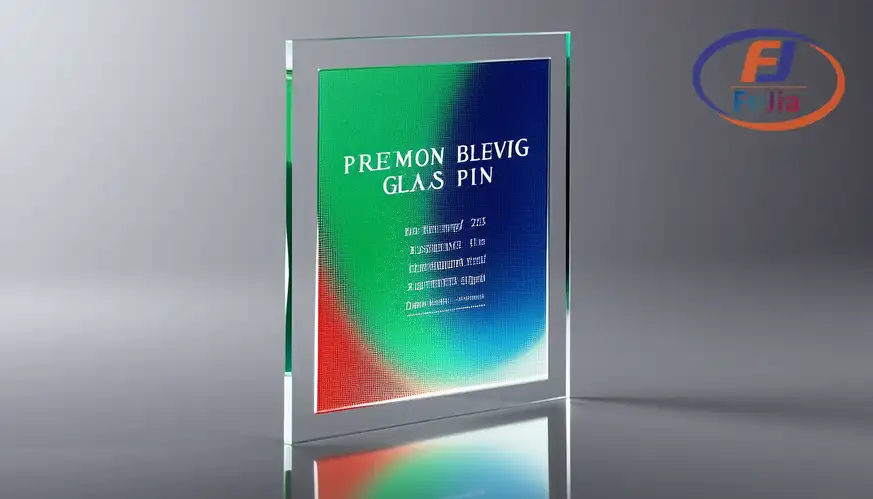
Can a UV flatbed printer print directly on glass?
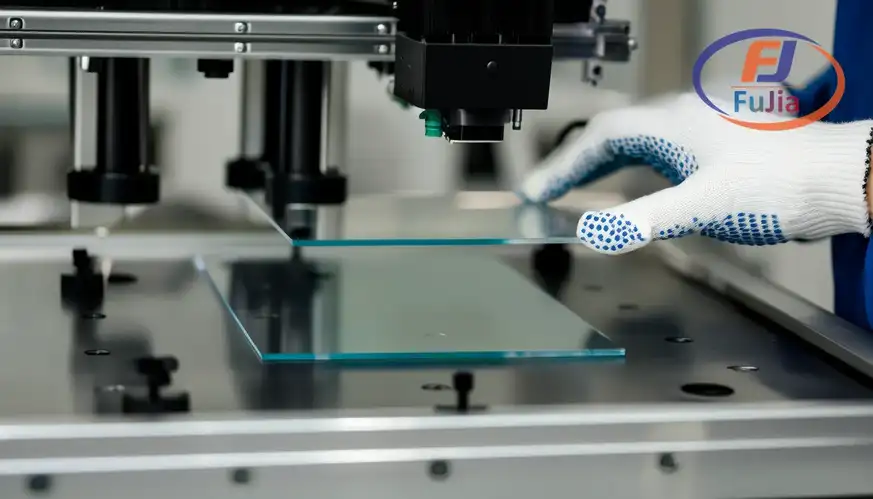
Yes, a UV flatbed printer prints directly on glass, and glass is among the most reliable UV substrates because its non-porous surface bonds with LED-cured ink at 385-395 nm curing without primer on flat stock. Clear float glass supports second-surface printing where mirrored artwork sits behind the glass for scratch protection and optical depth, frosted stock takes first-surface work with a white underlay, and drinkware wraps benefit from adhesion promoter on curved surfaces. Print resolution reaches 1200 dpi class on glass, producing the sharpest edge definition of any common substrate.
How durable is UV printing on glass?
UV printing on glass is highly durable for interior applications, holding 30-plus indoor years without meaningful fade because LED-cured ink locks to the non-porous surface, and drinkware applications survive 20-30 plus wash cycles when applied with degreasing and promoter on curved surfaces. Second-surface prints gain additional protection because the glass face shields the ink from contact entirely. Outdoor exposure introduces UV weathering that laminating or protective coating addresses. The failures that do occur trace to surface contamination at application rather than to glass chemistry, which is why the wipe before the print is the durability decision.
Do I need to prime glass before UV printing?
Glass does not require primer for most UV flatbed printing, because clean glass bonds native UV ink reliably at standard LED curing, and isopropyl degreasing with a lint-free wipe is the only mandatory preparation. Adhesion promoter earns its place on curved drinkware wraps and on glass products facing heavy handling or wash exposure, adding 30 seconds per item in exchange for materially higher survival rates. Flat awards, panels, and signage skip the promoter entirely. The surface clean rather than the chemical treatment is the step that decides most glass print outcomes, and that is good news for anyone who can wield a wipe.
What glass products sell best for UV printing?
The best-selling glass products for UV printing are award plaques at $25-70 retail, candle vessels at $12-30 with repeat wholesale demand, photo frame panels at $15-35, and decorated drinkware at $15-32, all carrying 65-80 percent margins on production costs of $2.50-12. Corporate awards anchor the premium tier with second-surface depth effects, candle vessels provide recurring volume from candle makers, and drinkware serves the personalized-gift trade. Flat stock products print without fixtures and make the strongest line starters, with curved drinkware joining once the workflow is proven.
Verdict
\n\n\n\nUV flatbed printing on glass is the substrate where the technology shows off: native adhesion without primer on flat stock, second-surface depth that commands 20-30 percent premiums, white underlays that turn transparency into saturation, and 30-plus indoor years of durability on the sharpest edges any substrate offers. The preparation is 15 seconds of isopropyl discipline, the promoter decision belongs to curved drinkware, and the product economics run 65-80 percent margins across awards, candle vessels, frames, and drinkware. Build the line on flat stock, learn the mirrored workflow, and let candle-vessel volume fund the drinkware expansion. For glass printing samples on your actual stock, contact Fujia Print with your product list.
\n\n\n\nSources
\n\n\n\n- \n\n\n
- Wikipedia: UV curing: LED ink adhesion chemistry. \n\n\n
- Wikipedia: Glass: surface and float glass fundamentals. \n\n\n
- ASTM International standards: adhesion testing methods. \n\n\n
- Fujia Print substrate guides: glass application protocols. \n\n\n
