

Eco solvent printer manufacturing in China concentrates in a handful of clusters around Shanghai, Nanjing, and Shenzhen, where factories build machines from $3,000 entry 1.6 meter models to $30,000 multi-head production lines on Epson, Ricoh, and Kyocera head platforms. The manufacturing landscape splits into own-brand factories with named product lines and OEM builders whose machines wear dozens of importer logos, and the distinction matters because it decides who engineers fixes when something fails. This page maps the cluster geography, explains the head-based tier structure, and hands buyers the vetting questions that separate manufacturers from assemblers.
\n\n\n\n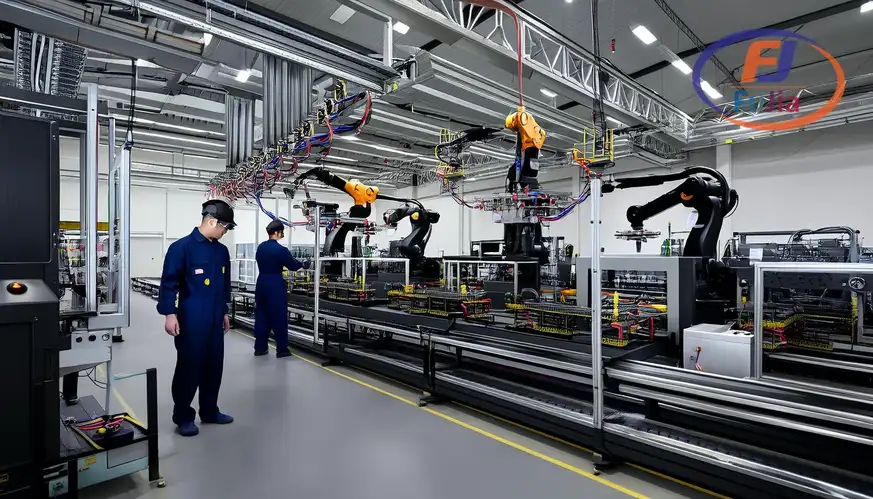
Key Takeaways
\n\n\n\n- \n\n\n
- Cluster geography: Shanghai and Jiangsu province lead wide-format eco solvent manufacturing, with Shenzhen strong in electronics integration and component supply. \n\n\n
- Head tiers structure the market: XP600 budget at $3,000-7,000, i3200 mid at $7,000-15,000, and Ricoh Gen5 or Kyocera production at $15,000-30,000. \n\n\n
- OEM builders produce for dozens of brands, so identical machines sell under different logos at different prices, and the factory matters more than the badge. \n\n\n
- The vetting questions are manufacturing questions: head sourcing, chassis construction, firmware ownership, and spare-parts inventory separate factories from assemblers. \n\n\n
- We recommend buying from factories with named engineering teams and documented head sourcing, because eco solvent machines live or die on support after install. \n\n\n
The Cluster Map and Tier Structure
\n\n\n\nThe geography table locates the manufacturing clusters and their specializations, and the tier table that follows structures the market by head platform. Both frame every factory conversation:
\n\n\n\n| Cluster | \nSpecialization | \nNotes | \n
|---|---|---|
| Shanghai / Jiangsu | \n1.6-3.2 m eco solvent lines | \nthe historical center | \n
| Shenzhen / Guangdong | \nelectronics, UV, components | \nintegration strength | \n
| Nanjing area | \nhead integration, mid-tier | \nRicoh platform depth | \n
| Head tier | \nSpeed | \nPrice band | \nUser | \n
|---|---|---|---|
| XP600 dual | \n15-25 m2/h | \n$3,000-7,000 | \nstartups | \n
| i3200 dual | \n25-45 m2/h | \n$7,000-15,000 | \ngrowing shops | \n
| Gen5 / Kyocera | \n40-80 m2/h | \n$15,000-30,000 | \nproduction | \n
The factory floor:
\n\n\n\nThe head platform is the honest tier marker because heads drive both print quality and spare-part economics, and a factory’s relationship with Epson, Ricoh, or Kyocera distribution reveals its position in the supply chain, per the platform analysis our signage and display sourcing guides document across wide-format manufacturing.The XP600 tier serves startups honestly at its price, while shops running daily production earn back the i3200 premium inside a year through head longevity, and the Gen5 tier is a duty-cycle purchase that single-shift shops never fully monetize.
\n\n\n\nOEM Versus Own-Brand: Who Actually Builds
\n\n\n\nThe builder table contrasts the two manufacturing models, and the difference decides who fixes problems and who points at someone else:
\n\n\n\n| Attribute | \nOwn-brand factory | \nOEM assembler | \n
|---|---|---|
| Engineering team | \nnamed, in-house | \nminimal or shared | \n
| Firmware | \nowned and updated | \nlicensed or generic | \n
| Brand accountability | \none badge, one throat | \nmany badges, no throat | \n
| Spare parts | \nstocked by model | \nordered per case | \n
| Design changes | \ndocumented revisions | \nsilent variations | \n
The two models in one frame:
\n\n\n\nWhen it comes to the OEM layer, it is not inherently bad, because OEM economics deliver capable machines at aggressive prices. Many importers build real service businesses on OEM hardware. The risk concentrates in accountability, because an identical machine sold under six logos has six brands pointing at one factory when a firmware bug surfaces. The factory answers the importer it knows best first. We recommend buyers ask every supplier whether the badge is theirs or licensed, because the answer reframes every support promise that follows, per the accountability logic our factory-vetting cases apply across equipment categories.
\n\n\n\nThe Vetting Questions and the Buying Checklist
\n\n\n\nThe checklist table runs the manufacturing questions that separate factories from assemblers, and every answer is verifiable on a video call:
\n\n\n\n| Question | \nFactory answer | \nAssembler answer | \n
|---|---|---|
| Who makes your heads? | \ndistributor named in writing | \nvague or evasive | \n
| Chassis construction | \nin-house welding and machining | \noutsourced frames | \n
| Firmware team | \nin-house, updateable | \nlicensed generic | \n
| Spare parts inventory | \nstocked per model | \nordered per order | \n
| Demo on your files | \nlive video, machine in frame | \ncatalog videos only | \n
The verification in practice:
\n\n\n\nA sign shop we supply vetted two suppliers for an i3200 machine in 2025, and the video tours told the story the quotes hid: one factory walked the camera through welding, head mounting, and a live test print on the buyer’s own artwork, while the other offered rendered videos and a salesperson reading from a screen, per the verification protocol our sourcing cases apply across equipment purchases. We recommend the live demo on your own files as the non-negotiable step, because it verifies machine, factory, and capability in twenty minutes, and payment through trade assurance converts the remaining risk into recoverable form. The deepest vetting signal is spare-parts inventory. A factory that stocks its own model’s dampers and heads is a factory that expects its machines to need them, which is exactly the expectation a buyer should share.
\n\n\n\n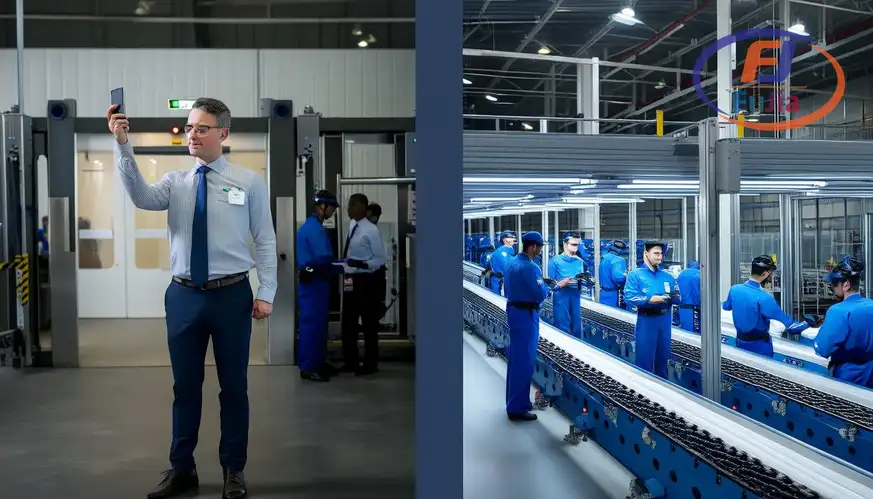
Who are the major eco solvent printer manufacturers in China?
Major eco solvent printer manufacturing concentrates in the Shanghai-Jiangsu cluster for 1.6-3.2 meter wide-format lines, the Shenzhen-Guangdong region for electronics integration, and the Nanjing area for Ricoh-head mid-tier platforms. The market includes own-brand factories with named engineering teams and OEM builders whose machines sell under dozens of importer logos, and identical machines can differ by thousands of dollars across badges. Buyers should vet the factory rather than the brand, because head sourcing, chassis construction, and firmware ownership live at the factory level regardless of the logo on the crate.
How much do Chinese eco solvent printers cost?
Chinese eco solvent printers cost $3,000-7,000 in XP600 dual-head configurations, $7,000-15,000 in i3200 mid-tier machines running 25-45 m2 per hour, and $15,000-30,000 for Ricoh Gen5 or Kyocera production platforms at 40-80 m2 per hour. The head platform is the honest tier marker, driving both print quality and spare-part economics across the range. Factory-direct pricing excludes shipping, duty, and commissioning, which add 10-20 percent to the landed number, and dealer channels add 30-100 percent while wrapping local service around the same chassis.
What is the difference between OEM and own-brand factories?
OEM factories build machines that importers badge under their own brands, while own-brand factories sell under a single name they engineer, firmware, and support directly. The practical difference is accountability: an own-brand factory owns its firmware updates and stocks parts per model, while an OEM machine’s support depends on which of many badge-holders the factory answers first. OEM economics deliver capable hardware at aggressive prices. The buyer’s protection is knowing which model they are buying, verifying the factory directly, and securing spare-parts commitments in writing regardless of the badge.
How do I vet an eco solvent printer factory in China?
Vet an eco solvent printer factory with five verifiable steps: ask who supplies the heads and get the distributor named in writing, tour the real floor by live video including welding and head mounting, confirm in-house firmware with an update history, demand itemized spare-parts pricing with stock levels, and run a live demo printing your own artwork on the actual machine. Payment through trade assurance with milestone terms converts remaining risk into recoverable form. The spare-parts inventory question is the deepest signal, because factories that stock consumables for their own models expect to support them, and that expectation is what a buyer is actually purchasing.
Verdict
\n\n\n\nEco solvent printer manufacturing in China concentrates in three clusters building on three head tiers, from $3,000 XP600 entry machines to $30,000 Kyocera production lines, with the OEM layer delivering identical hardware under dozens of badges at prices that reward buyers who look past logos to factories. The vetting protocol of written head sourcing, live video tours, firmware ownership, stocked spare parts, and escrow payment separates manufacturers from assemblers in one afternoon. Buy the factory and the head platform rather than the badge, verify with your own files on camera, and let spare-parts inventory close the choice. For vetted eco solvent lines with documented factory relationships, contact Fujia Print for sourcing support.
\n\n\n\nSources
\n\n\n\n- \n\n\n
- Epson industrial printheads: XP600 and i3200 platform specifications. \n\n\n
- Ricoh industrial printing: Gen5 head documentation. \n\n\n
- Wikipedia: Inkjet printing: head architecture overview. \n\n\n
- Fujia Print sourcing guides: factory vetting protocols. \n\n\n
