

Sublimation ink from Chinese suppliers prices $8-25 per liter at factory-direct volumes, spanning dye-sub inks for Epson piezo platforms in both aqueous craft and industrial sublimation classes, with MOQs starting at 1-liter samples and production tiers opening at 20-200 liters. The sourcing challenge is not finding suppliers, because hundreds list on every B2B platform, but finding suppliers whose batch-to-batch color consistency survives the six months between orders, because sublimation ink drift shows up as client-visible color change on reorder runs. This page specs the ink classes, prices the volume ladder, and documents the consistency protocol that separates real ink mills from repackagers.
\n\n\n\n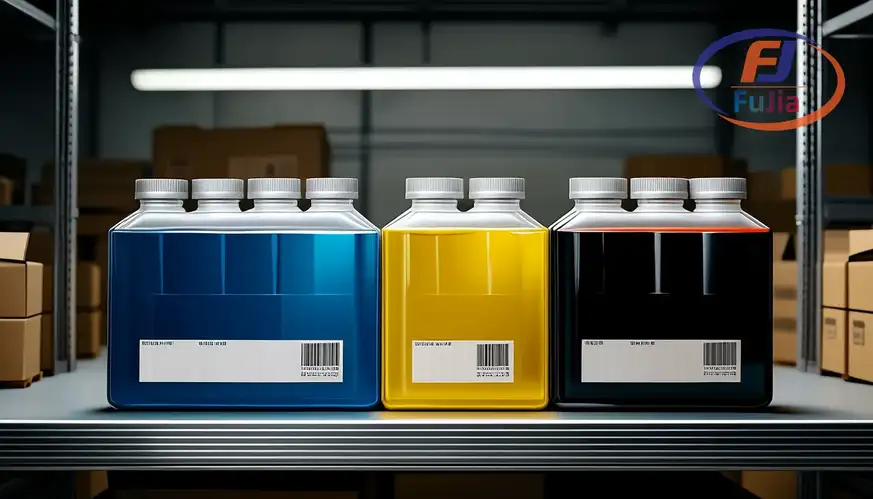
Key Takeaways
\n\n\n\n- \n\n\n
- Ink classes: aqueous craft sublimation for desktop EcoTanks, industrial sublimation for roll production lines, both dye-based and priced $8-25 per liter factory-direct. \n\n\n
- MOQ ladders run 1-liter samples at $15-30, 20-50 liter production at $12-20, and 200-liter+ contracts at $8-14 with custom profiles available. \n\n\n
- Batch consistency is the vetting criterion: print identical files from two production batches and compare density, because drift above 3 percent shows on reorders. \n\n\n
- Real mills manufacture and formulate; repackagers bottle third-party ink, and the difference shows in batch documentation and technical answers. \n\n\n
- We recommend archiving a printed color standard from every accepted batch, because the archive converts reorder color arguments into comparisons. \n\n\n
The Ink Class Table
\n\n\n\nThe class table separates the two sublimation ink families, and the printer platform decides the class rather than preference. Both are dye-based chemistries tuned for polyester, and the tuning differs more than the color does:
\n\n\n\n| Ink class | \nPlatform | \nPrice per liter | \nBest volume | \n
|---|---|---|---|
| Aqueous craft | \nEcoTank, desktop Epson | \n$15-30 retail, $8-15 direct | \nunder 500 sheets monthly | \n
| Industrial sublimation | \nroll printers, i3200/Gen5 lines | \n$10-20 | \n500+ sheets monthly | \n
The ink room in view:
\n\n\n\nThe class split follows head architecture rather than marketing: aqueous craft inks tune viscosity and filtration for desktop piezo systems, while industrial inks optimize for high-speed roll platforms where jetting stability across kilometers of media matters more than per-liter price, per the ink taxonomy our consumables guides document across sublimation platforms.Cross-feeding the classes is the most common sourcing error, because industrial ink in a desktop head clogs within weeks and craft ink in a production line fades under production cure schedules, and the platform name on the ink quote should match the printer name on your floor.
\n\n\n\nThe MOQ Ladder and Real Mill Versus Repackager
\n\n\n\nThe ladder table prices sublimation ink by volume, and the vetting table that follows separates manufacturers from bottlers. The price spread is real but smaller than the consistency risk, which is where the second table earns its place. Factory-direct figures from Chinese ink chemistry clusters:
\n\n\n\n| Volume | \nPrice per liter | \nPackaging | \nLead time | \n
|---|---|---|---|
| 1 liter sample | \n$15-30 | \nbottle | \n3-7 days | \n
| 20-50 liters | \n$12-20 | \nbottles or pouches | \n7-12 days | \n
| 200 liters+ | \n$8-14 | \ndrums, OEM labels | \n12-20 days | \n
| Vetting signal | \nReal mill | \nRepackager | \n
|---|---|---|
| Batch numbers | \nprinted on every bottle | \nmissing or generic | \n
| Technical answers | \nviscosity, filtration specs | \nmarketing language | \n
| Facility visit | \nformulating tanks visible | \nwarehouse only | \n
| Custom profiles | \npossible for volume | \nnever | \n
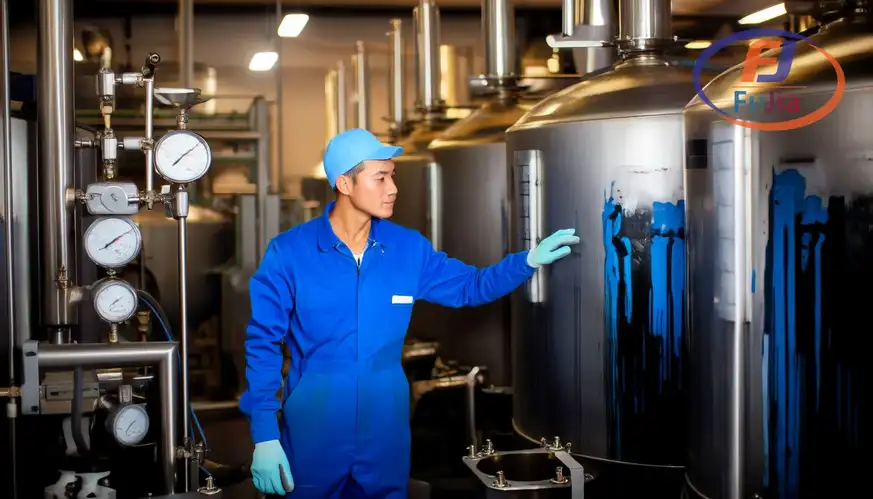
The vetting difference in one frame:
\n\n\n\nWhen it comes to repackagers, they serve a real market purpose at sample volumes. Their risk concentrates at production scale, because a bottler cannot control or document batch chemistry it never formulated. Reorder drift becomes someone else’s mystery. A signage producer we supply learned this across two years: its first ink vendor delivered consistent batches for months, then a reorder shifted cyan visibly. The vendor’s answer was a new bottle rather than a chemistry explanation, which is the signature of repackaging rather than manufacturing, per the supplier qualification patterns our ink sourcing cases document across print programs. We recommend asking one technical question before any volume order, because a mill answers viscosity and filtration numbers from data. A repackager answers them from a brochure.
\n\n\n\nBatch Consistency and the Archive Protocol
\n\n\n\nThe consistency table runs the protocol that protects reorder color, and the archive is the protocol’s permanent artifact. All tests use the buyer’s own printer and substrates:
\n\n\n\n| Protocol step | \nMethod | \nPassing standard | \n
|---|---|---|
| Batch sample print | \nidentical test file per batch | \nvisual match to standard | \n
| Density comparison | \ndensitometer or app reading | \nwithin 3 percent | \n
| Press and wash | \n5 cycles at 40 °C | \nno fade beyond standard | \n
| Archive | \nfiled print per batch | \nreorder benchmark | \n
The archive wall:
\n\n\n\nWe recommend archiving a pressed print from every accepted batch with its batch number, because the archive converts the classic reorder argument into a side-by-side comparison that any supplier resolves immediately, per the batch discipline our textile production cases document across fabric and ink programs. A transfer business we supply caught a 5 percent density drift on a reorder through exactly this comparison, and the mill reformulated rather than argue with its own archived evidence. The protocol costs an hour per batch, and buyers who skip it fund the color arguments that the hour would have prevented, which makes it the cheapest quality insurance in the ink chain.
\n\n\n\n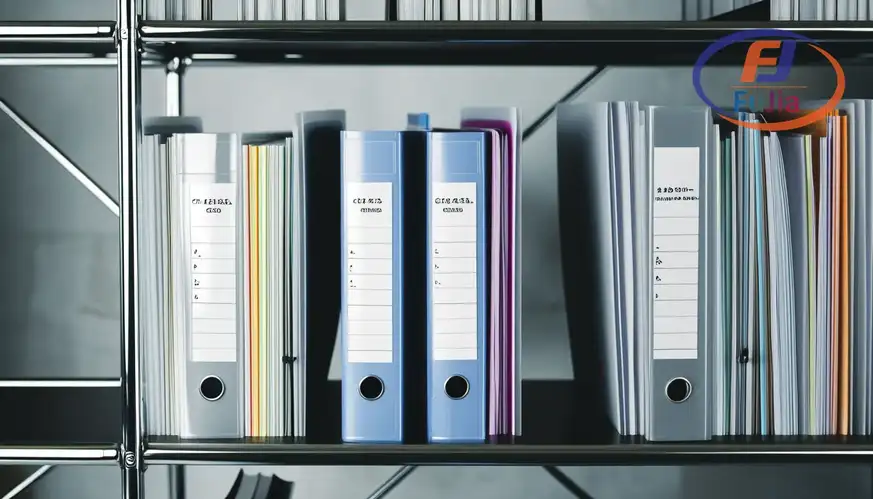
Where can I get sublimation ink from China?
Sublimation ink ships from Chinese ink chemistry clusters through B2B platforms and factory-direct contacts, with MOQs from 1-liter samples at $15-30 up to 200-liter production at $8-14 per liter. The vetting step matters more than the channel: real mills print batch numbers, answer viscosity and filtration questions with data, and welcome facility visits, while repackagers bottle third-party chemistry without batch documentation. Order samples from two suppliers, run identical print tests on your own printer, and commit volume to the batch that matches your archived color standard.
How much does sublimation ink cost from Chinese suppliers?
Sublimation ink from Chinese suppliers costs $8-14 per liter at 200-liter contract volumes, $12-20 at 20-50 liter production quantities, and $15-30 for 1-liter samples, with industrial-class ink for roll printers at the lower bands and aqueous craft ink at the higher ones. Retail-packaged equivalent ink sells for $30-80 per liter, so factory-direct sourcing cuts 60-75 percent at production scale. Prices below $8 per liter at volume deserve batch documentation scrutiny. Dye chemistry has a real cost floor, and filler-blended ink undercuts that floor visibly in the wash.
How do I check sublimation ink batch consistency?
Check sublimation ink batch consistency by printing an identical test file from each new batch on your standard substrate, comparing density readings within 3 percent against your archived standard, and pressing plus washing the result through 5 cycles at 40 °C. Archive a pressed print from every accepted batch with its batch number, because the archive converts reorder color arguments into side-by-side evidence any mill resolves immediately. Consistency drift above 3 percent shows visibly on client reorders, and the hour of testing per batch is the cheapest insurance in the consumables chain.
Who makes the best sublimation ink?
The best sublimation ink is the batch that matches your archived color standard across consecutive production orders, because brand rankings matter less than documented batch consistency on your specific printer and substrates. Real formulating mills with visible batch documentation outperform repackagers at any price point, and the vetting question about viscosity and filtration numbers separates them in one conversation. Test two suppliers with identical files, archive every accepted batch, and let six months of reorder consistency rather than marketing choose your ink, because that record is the only ranking that survives contact with production.
Verdict
\n\n\n\nSublimation ink from Chinese suppliers prices $8-25 per liter across the volume ladder, with the real decision being manufacturer versus repackager rather than brand versus brand, and the vetting signal as simple as whether batch numbers and viscosity specs come from data or from brochures. The batch-consistency protocol of identical test files, 3 percent density tolerance, and a pressed-print archive protects every reorder from the color drift that untested supply chains drift into. Sample two suppliers, archive every batch, and buy at the tier your volume justifies. For consistency-documented sublimation ink with archived color standards, contact Fujia Print with your printer platform and monthly volume.
\n\n\n\nSources
\n\n\n\n- \n\n\n
- Wikipedia: Dye-sublimation printing: dye chemistry fundamentals. \n\n\n
- Wikipedia: Sublimation phase transition: the phase physics behind the ink class. \n\n\n
- AATCC wash test standards: fastness testing protocols. \n\n\n
- Fujia Print consumables sourcing guide: ink vetting and batch cases. \n\n\n
