
A sublimation paper manufacturer is a coating plant, not a stationery mill: base paper arrives on jumbo rolls, a chemical coating line lays down the dye-receptive layer, and the difference between a $0.08 workhorse sheet and a $0.55 premium sheet is decided in that coating kitchen and its quality control. This guide explains what actually gets manufactured, prices the direct-sourcing route against retail, and gives the qualification checklist that separates real makers from brokers reselling someone else’s coated stock. Sourcing direct is a volume decision, and the volume threshold is lower than most sellers assume.
\n\n\n\n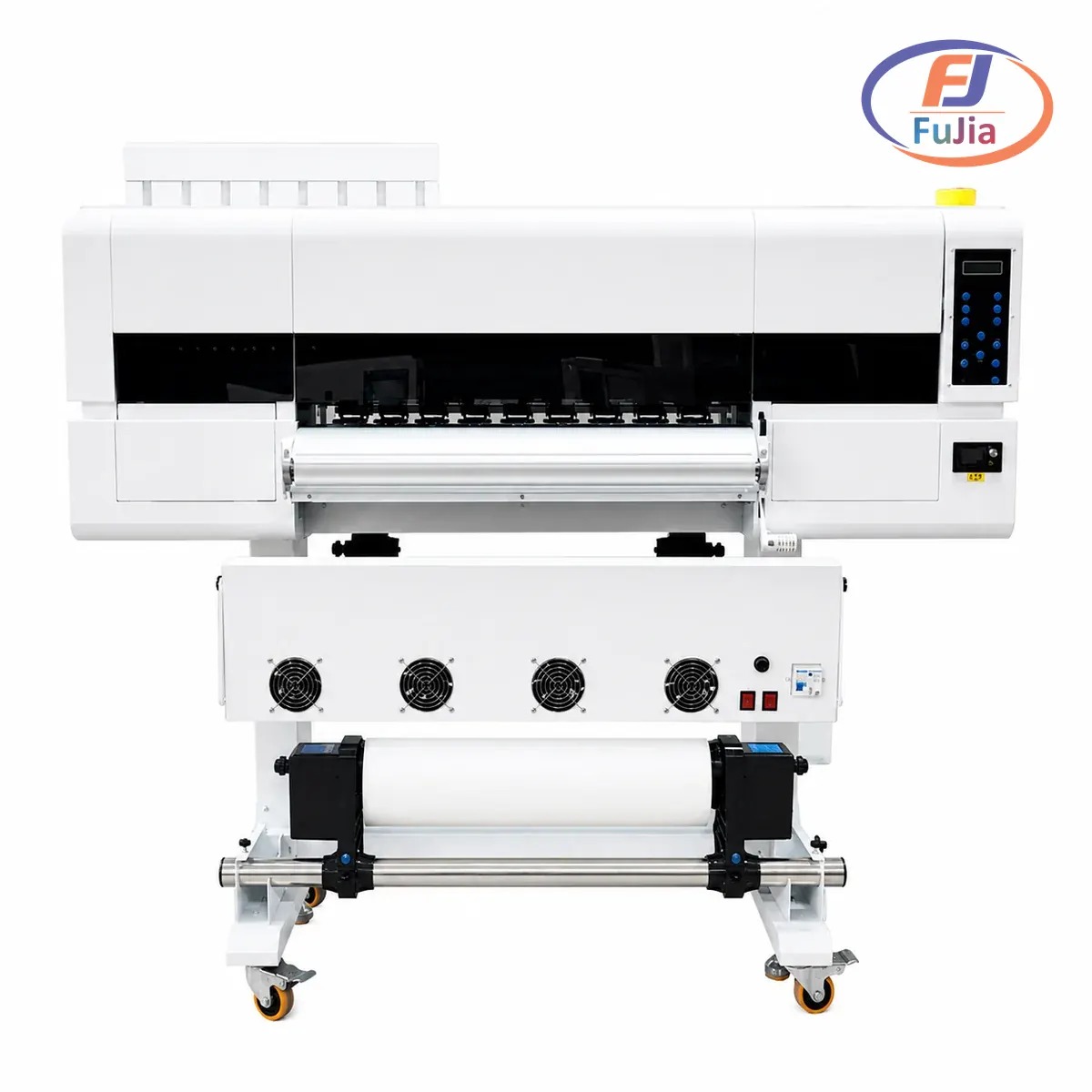
Key Takeaways
\n\n\n\n- \n\n\n
- Manufacturing splits into two stages: base paper production (pulp to jumbo rolls) and sublimation coating (the dye-receptive chemistry that does the actual work), and most “manufacturers” in search results control only the second stage. \n\n\n
- Real factory economics: coating-line output runs in tons per day, which is why factory MOQs cluster at 500-5,000 sheets or 1-2 jumbo rolls, and why custom sizes and gsm grades open at those quantities. \n\n\n
- Direct pricing lands 30-50% under retail case pricing at qualifying volumes, with DDP shipping at 15-25 days SEA for US and EU destinations and duty prepaid. \n\n\n
- The four qualification tells: published tier pricing, lot-number traceability, coating spec sheets with transfer-rate data, and sample policy tied to production lots rather than showroom sheets. \n\n\n
- Private label and custom coating open near 20-50 case volume: custom sheet sizes, branded packaging, and gsm tuning for specific product lines are standard factory options, not exotic requests. \n\n\n
What a Sublimation Paper Factory Actually Makes
\n\n\n\nThe production line explains the pricing better than any catalog. Base paper, a controlled-porosity wood-pulp sheet at 100-125 gsm, arrives on jumbo rolls a meter or more wide; the coating line unwinds it, applies the sublimation-receptive chemistry, an aqueous layer engineered to hold dye ink at the surface when printed and release it fully as gas at 200 °C, dries it under tension, and rewinds or sheets it. The coating kitchen is the factory’s core intellectual property: release-agent ratios determine transfer rate, humectants determine dry time and feed reliability, and batch-to-batch consistency in that kitchen is the difference between matched-color reorders and dye-density drift.
\n\n\n\nQuality control separates the tiers buyers actually feel. Consistent coating means two sheets from different production lots transfer the same color density, which is the spec that matters for shops running matched-color product lines; inconsistent coating shows up as batch-to-batch color drift that no ICC profile fully compensates. Transfer rate, the percentage of printed dye that actually crosses into the substrate, is the premium-tier headline number, with engineered papers publishing rates above 95% against economy grades in the 80s. The base paper matters too: curl resistance in a 60-second mug press and feed reliability through high-volume sheet printers are base-paper properties, and they are why a 125 gsm sheet from one factory outperforms the same weight from another.
\n\n\n\n| Factory capability | \nWhat it controls | \nBuyer impact | \n
|---|---|---|
| Coating kitchen | \ntransfer rate, dry time | \ncolor depth, feed reliability | \n
| Base paper sourcing | \ngsm consistency, curl | \npress behavior, lot stability | \n
| Sheeting and packing | \nsize tolerance, moisture bagging | \nformat accuracy, storage life | \n
| Lot QC | \nbatch traceability | \nmatched-color reorders | \n
Real Factory MOQs and Pricing Structure
\n\n\n\n| Route | \nTypical MOQ | \nEffective price vs retail | \nNotes | \n
|---|---|---|---|
| Retail packs | \n1 pack | \nbaseline $0.10-0.20/sheet | \nhobby and test volume | \n
| Distributor cases | \n5-20 cases | \n15-25% under retail | \ndomestic stock, fast ship | \n
| Factory direct, stock SKUs | \n1-2 jumbo rolls or 500-5,000 sheets | \n30-40% under retail | \nstandard sizes and gsm | \n
| Factory direct, custom | \n20-50 cases | \n35-50% under retail | \ncustom sizes, private label | \n
The ladder prices risk as much as paper. Distributor cases trade a modest discount for zero import exposure and week-scale delivery; factory-direct stock SKUs trade the full discount for 15-25 day SEA freight and import paperwork unless DDP terms absorb it; custom runs add the coating-line changeover economics, which is why factories gate them at case volume. The honest comparison is landed cost per sheet at your monthly volume, including freight, duty, and the working capital tied up in 60-90 days of paper inventory, and at 500-plus sheets monthly that landed math starts beating distributor pricing decisively.
\n\n\n\nWe recommend quoting two factories at once on identical specs, because spec-sheet quality itself is a qualification signal: a real maker returns coating data, transfer rates, and lot control in writing, while a broker returns price lists. The price gap between the two responses usually tells you which is which before any sample ships.
\n\n\n\nHow to Qualify a Real Manufacturer
\n\n\n\nThe tells are consistent across the market, and none of them require a factory tour. Published tier pricing: coating plants sell volume and post their breaks; brokers hide behind “contact us” because their margin depends on opaque quoting. Lot traceability: ask for two production lots of the same SKU and press both; a factory ships them with lot codes and expects the question, and a broker cannot. Coating spec sheets with transfer-rate numbers separate engineered product from relabeled commodity. Sample policy tied to production lots rather than hand-picked showroom sheets closes the loop, because showroom samples prove nothing about the pallet that arrives.
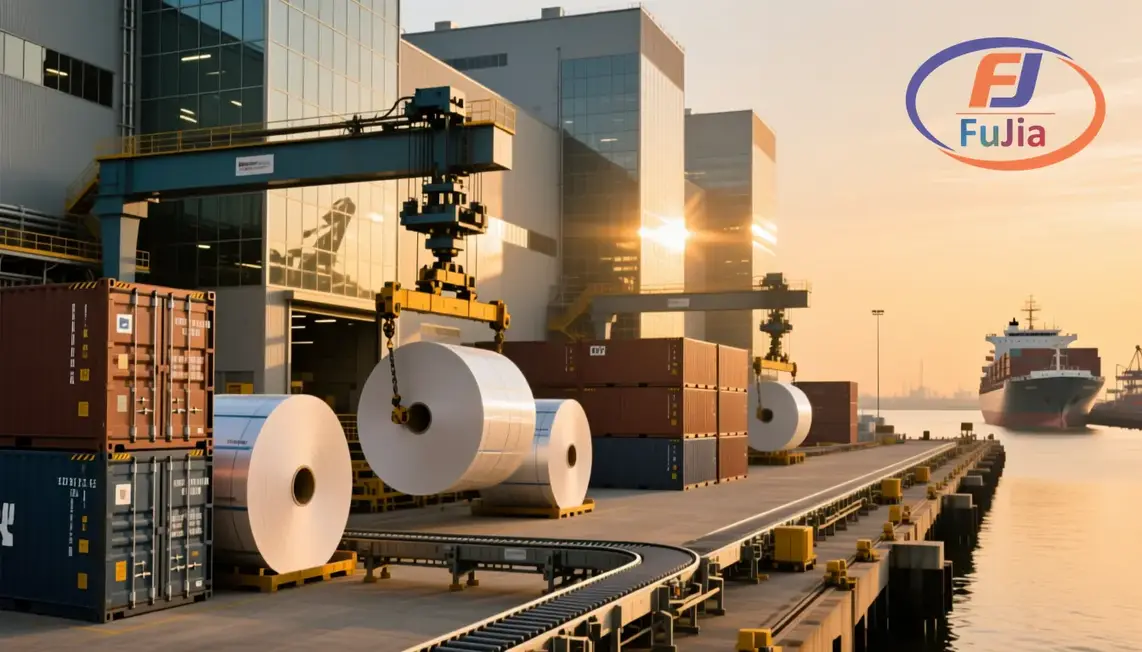
\n\n\n\nLogistics terms reveal the shipper behind the seller. DDP quotes with duties prepaid and SEA windows of 15-25 days to US and EU ports are standard manufacturer language; EXW quotes with no import guidance push customs risk onto the buyer and usually mark a reseller with no export operation. Storage and packaging specs in the quote, moisture-barrier bagging, humidity guidance, pallet configuration, are the marks of a coating plant that knows its product degrades in transit and says so.Supplying consumables across 50-plus countries, the suppliers who volunteer storage specs are the suppliers whose lots stay consistent, because the same attention runs through the whole operation. The same factory-direct logic and logistics terms apply across the wider equipment sourcing decision, as our DTF printer wholesale walkthrough details for machine-side buying.
\n\n\n\nWhen Factory Direct Pays (and When It Does Not)
\n\n\n\nThe volume threshold is the deciding number, and it sits near 500 sheets monthly. Below it, retail and distributor pricing are honest: the discount from a factory cannot clear the freight and inventory carrying cost of a pallet, and testing multiple retail brands cheaply is worth more than locked-in volume. Between 500 and 2,000 sheets monthly, factory-direct stock SKUs win on landed cost and lot consistency, provided the shop can plan 60-90 days of paper demand. Above 2,000 sheets monthly or with genuine custom needs, a specific product line demanding tuned gsm or branded packaging for resale, the custom route compounds the savings with capabilities retail channels cannot offer at any price.
\n\n\n\nA mug brand we supply illustrates the custom tier’s leverage: the brand runs 60-plus full-color SKU sublimation at 5,000-plus pieces monthly, and matched-coating paper lots are why a Pantone-matched catalog reorders cleanly months later, because dye density from the paper side never drifts between production runs. Their scale funds that capability; the same brand at 300 pieces monthly should be testing retail brands, not quoting coating lines. The supplier relationship should track the volume, and our consumables lineup, including the SUP-STD paper tuned to our SUI-STD ink as one matched pipeline, exists for the volume tier where matching chemistry across ink and paper pays.
\n\n\n\n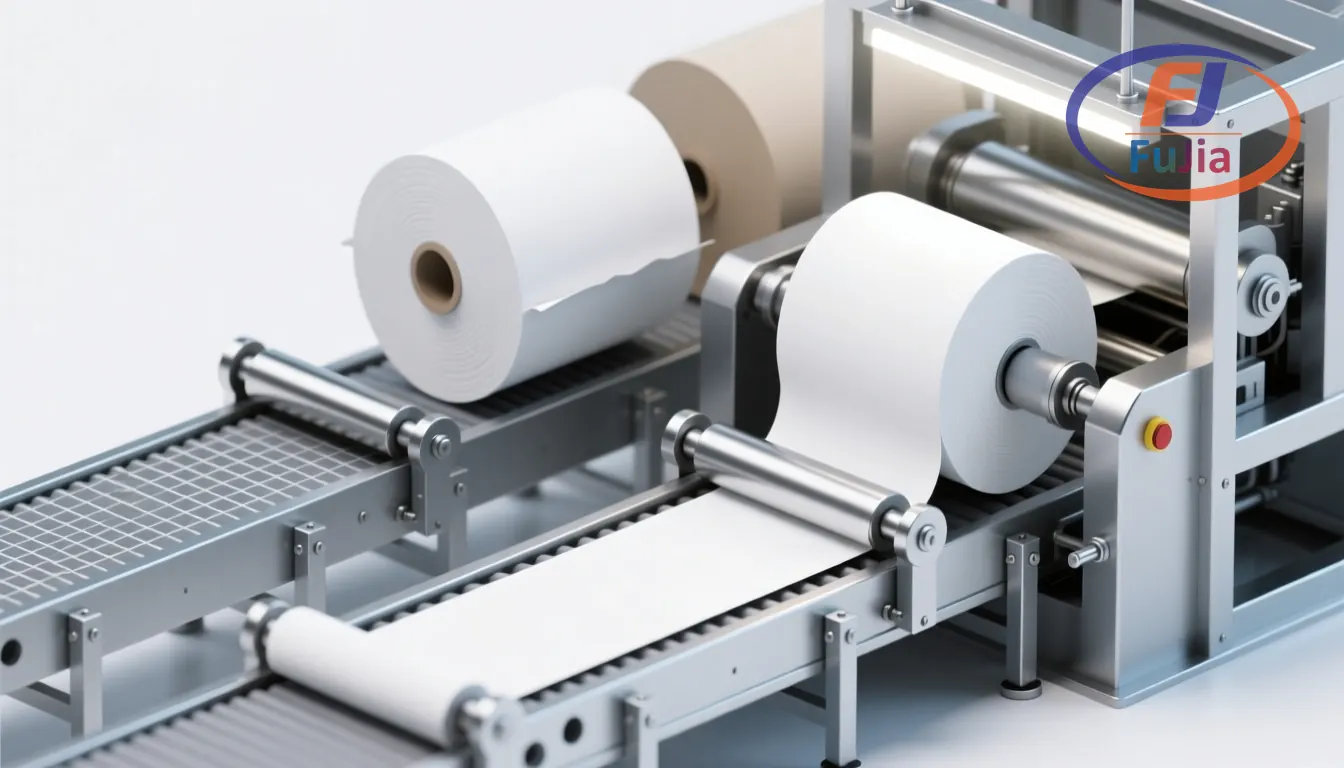
Who manufactures sublimation paper?
\u003cp\u003eSublimation paper is manufactured by coating plants concentrated in China, South Korea, and Germany, with brands like Neenah Coldenhove, Koala, and A-SUB representing the retail-visible end of that production base. The manufacturing split matters for sourcing: base paper comes from pulp mills, and the sublimation-receptive coating, the part that holds and releases dye, is applied on dedicated coating lines that constitute the actual factory capability. When qualifying a \u0022manufacturer,\u0022 the question to ask is whether they run the coating line or resell coated stock, because the answer determines lot control, custom capability, and price floor.\u003c/p\u003e
What is the minimum order for sublimation paper from a manufacturer?
\u003cp\u003eFactory MOQs cluster at 1-2 jumbo rolls or 500-5,000 sheets for standard sizes and grades, with custom coating, private label, and non-standard sheet sizes opening near 20-50 cases. Below those quantities, manufacturers route you to their distributor network, where case pricing runs 15-25% under retail with domestic stock. Quote landed cost including freight and duty before comparing MOQ tiers, because a pallet at 40% discount that sits in customs for three weeks is not cheaper than a case delivered Tuesday. The MOQ number that matters is the one your monthly consumption actually clears.\u003c/p\u003e
Is sublimation paper business profitable?
\u003cp\u003eThe paper itself runs 2-5% of a finished sublimation product’s selling price, so profitability lives in the product margin, not the consumable, and the paper decision is cost control rather than revenue. A shop pressing 500 pieces monthly saves $25-90 through bulk paper sourcing against $10,000-plus in product revenue, real money but structural, not transformative. The profitable move at volume is private label: shops at 2,000-plus sheets monthly that resell blanks and supplies under their own brand capture the retail markup on paper that their own workflow consumes anyway. Stack that with bulk-blank sourcing and the consumables line stops being overhead entirely.\u003c/p\u003e
Can I get private label sublimation paper?
\u003cp\u003eYes, private label is a standard factory service at 20-50 case quantities: your brand on the packaging, custom sheet sizes for your product line, and gsm tuning for your substrate mix. The qualification checklist tightens for private label, because your brand now inherits the factory’s lot consistency, so lot traceability and dual-lot sampling become non-negotiable before the first branded run. Expect the factory to quote coating-line minimums and lead times of 4-8 weeks for changeovers, and expect the economics to work only when your monthly consumption or resale volume genuinely absorbs the case flow.\u003c/p\u003e
Verdict
\n\n\n\nSourcing sublimation paper from a manufacturer is a volume-gated capability play: below 500 sheets monthly, stay retail and test brands; 500-2,000, quote factory-direct stock SKUs on landed cost and lot consistency; past 2,000 or with custom needs, the coating line itself, custom sizes, private label, matched gsm, becomes the competitive advantage. Qualify with tier pricing, dual-lot samples, transfer-rate spec sheets, and DDP logistics language, and let the responses separate makers from brokers. To quote factory-direct paper matched to a production ink chemistry, contact Fujia Print for MOQ tiers and lot-tested samples.
\n\n\n\nSources
\n\n\n\n- \n\n\n
- Neenah Coldenhove performance materials: engineered coating and transfer-rate reference. \n\n\n
- Wikipedia: Coating: industrial coating line processes. \n\n\n
- Wikipedia: Dye-sublimation printing: dye-receptive coating chemistry. \n\n\n
- Wikipedia: Minimum order quantity: MOQ economics background. \n\n\n
